Onsite lodging can be one of the biggest game changers in wedding planning. It reduces travel stress, tightens up your timeline, and turns your celebration into a shared experience instead of a single event. The only tricky part is deciding who stays onsite at your wedding venue and who stays nearby, especially when rooms are limited and you want everyone to feel considered.
This guide walks you through a practical, guest friendly way to make those decisions with confidence. You will learn how to prioritize rooms, communicate clearly, avoid awkwardness, and design a weekend that feels effortless for you and your loved ones.
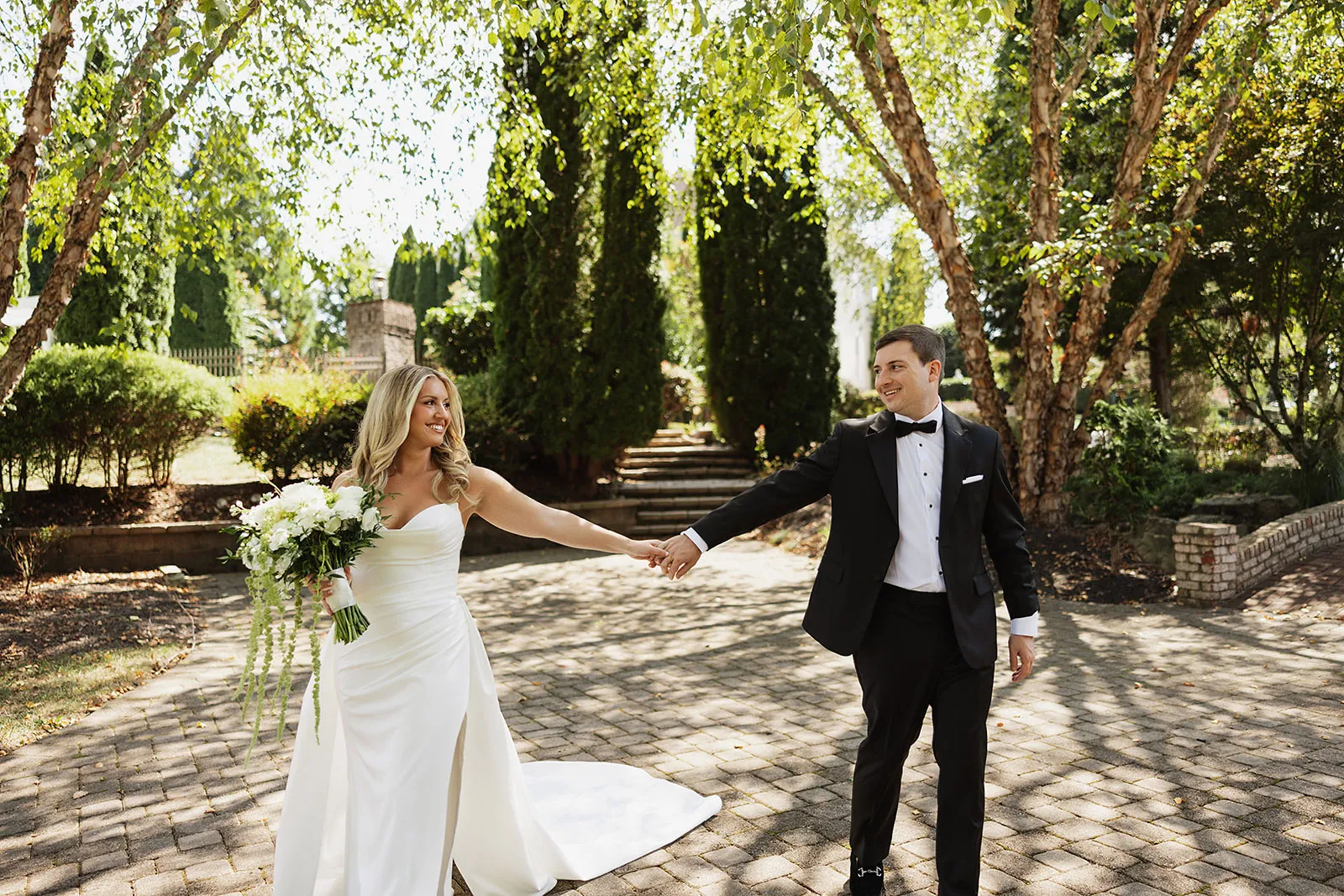
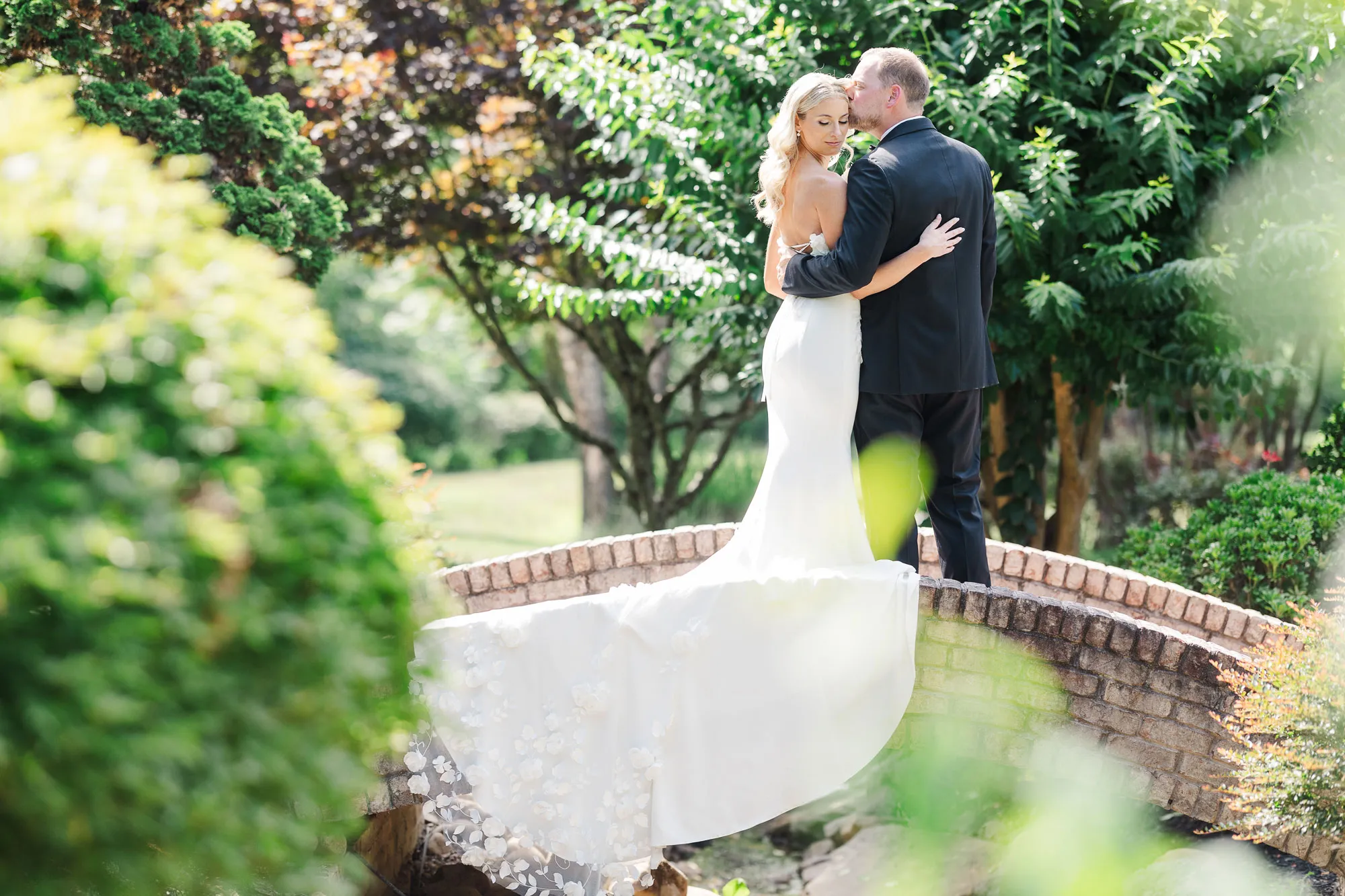
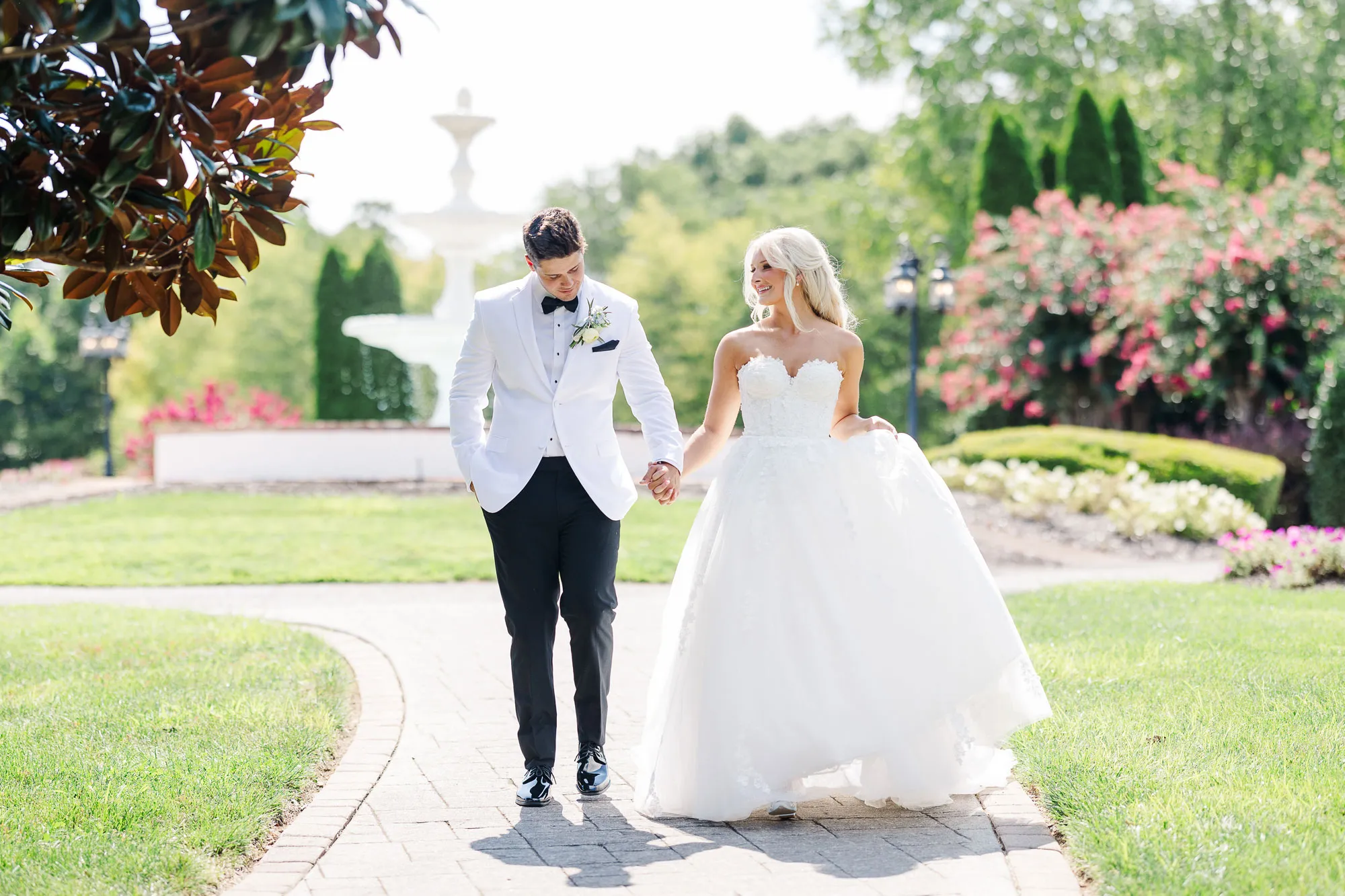
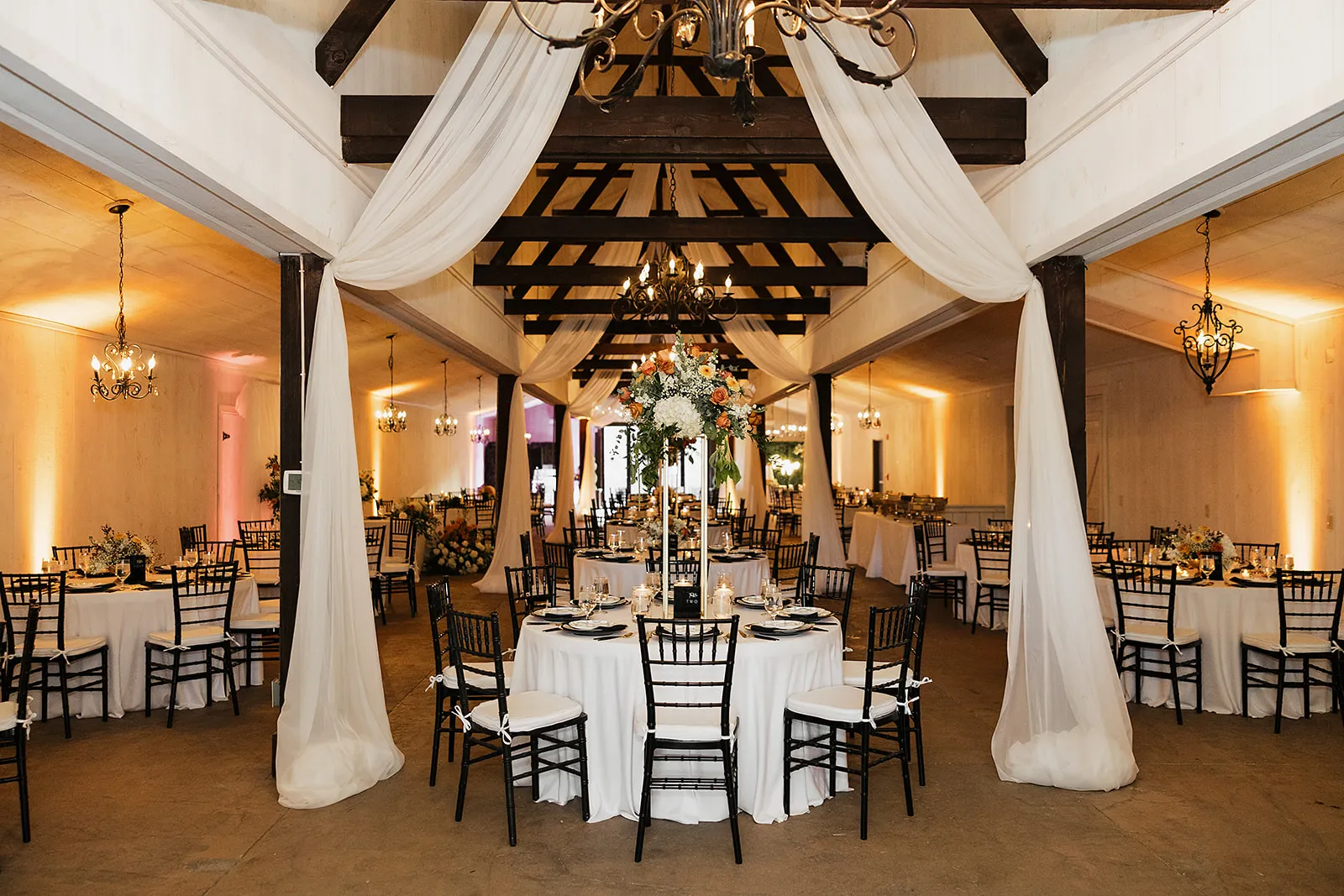
If you are planning at a venue that combines celebration spaces with hospitality, like the estate experience shown on the Castleton Farms weddings page, these strategies will fit especially well.
Before you assign a single room, define what you want onsite lodging to accomplish. Most couples benefit from lodging for three reasons:
When you keep those goals in mind, decisions become less emotional and more practical. Instead of trying to make lodging “fair” for everyone, you will make it functional, comfortable, and experience focused.
If you want to understand why this matters so much, this article explains the big picture benefits: How wedding venues with lodging simplify guest accommodation.
The most common mistake couples make is verbally promising rooms before they understand the details. Before you decide who stays onsite, confirm:
If your venue offers a bed and breakfast experience, the lodging is often part of the charm, and it may come with hospitality features like breakfast and shared spaces. This is helpful for guests, but it also means you will want to plan with those expectations in mind. You can see what that style of stay can look like here: Castleton Farms bed and breakfast.
Assigning rooms gets complicated when you decide case by case. A priority system makes it clear and consistent. A practical order looks like this:
These are the people whose presence affects the timeline and flow of the day.
These are guests who benefit most from onsite convenience.
These are people who will truly use and appreciate the onsite experience.
This tiered approach prevents the “everyone is equal” problem. Not everyone has the same needs. Onsite rooms should go first to the people who make the weekend run smoothly.
For additional perspective on why onsite lodging can be so valuable for different guest types, this post is helpful: The benefits of choosing a wedding venue with onsite accommodations.
This is a key decision that affects who expects what. There are three common models:
This is usually reserved for very small weddings or very high budgets. It is generous and simple, but it can limit flexibility.
This is the most common and practical option. You cover the couple’s suite and sometimes immediate family or the wedding party, then offer remaining rooms as a paid option.
This works well when the venue lodging is clearly positioned as a luxury convenience and when your guest list expects to pay for accommodations.
Whatever you choose, be consistent and communicate early. Mixed messaging is where feelings get hurt.
A timeline based method is one of the fairest ways to decide who stays onsite because it is about function, not popularity.
These guests should be onsite if possible:
These are the guests who may need a nearby room to rest or change.
Guests who love late night celebrations often benefit from onsite lodging because it removes driving concerns and keeps the energy relaxed.
Even with a perfect system, lodging can feel emotional. A few realities help:
The goal is not to make everyone perfectly happy. The goal is to create a smooth experience for the people most impacted by logistics, while offering clear alternatives for everyone else.
A simple way to reduce feelings is to position onsite rooms as limited convenience lodging, not as VIP status.
Onsite lodging works best when nearby lodging is also easy. Guests will feel cared for when they have clear options, even if they are not onsite.
Your nearby lodging plan should include:
If you anticipate many out of town guests, consider setting up a small hotel block. It is not mandatory, but it can reduce guest stress. If you do, include booking links and deadlines.
The hidden win here is that when nearby lodging is easy, onsite lodging becomes less emotionally loaded.
Couples often get stuck on room assignment mechanics. Here are options that keep it clean and calm.
This works well when you are hosting rooms or when the venue requires a room list. It is also best for keeping priority tiers intact.
This is helpful when guests will pay for rooms, but you still want to control who gets first access. Send a short note to Tier 1 and Tier 2 guests first, then open remaining rooms after a set date.
This can work if you reserve a few rooms for family and wedding party first, then allow others to book from the remaining inventory.
Whatever you choose, set a deadline for onsite room decisions. You do not want to manage this forever.
How you communicate matters as much as what you decide. Guests do not need a complicated explanation. They need clarity, warmth, and options.
Keep it simple:
Also keep it simple:
Avoid apologizing. Lodging limits are normal.
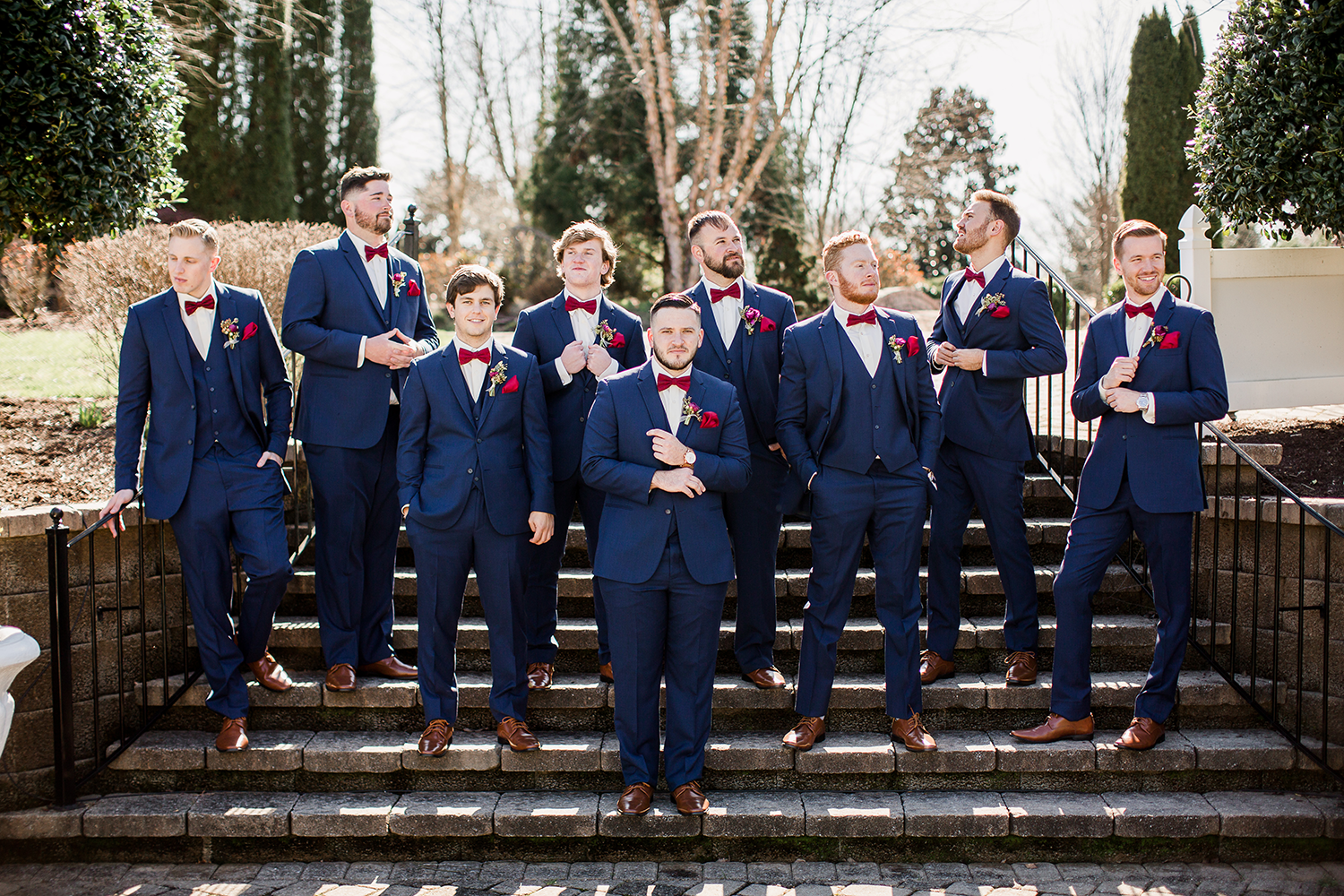
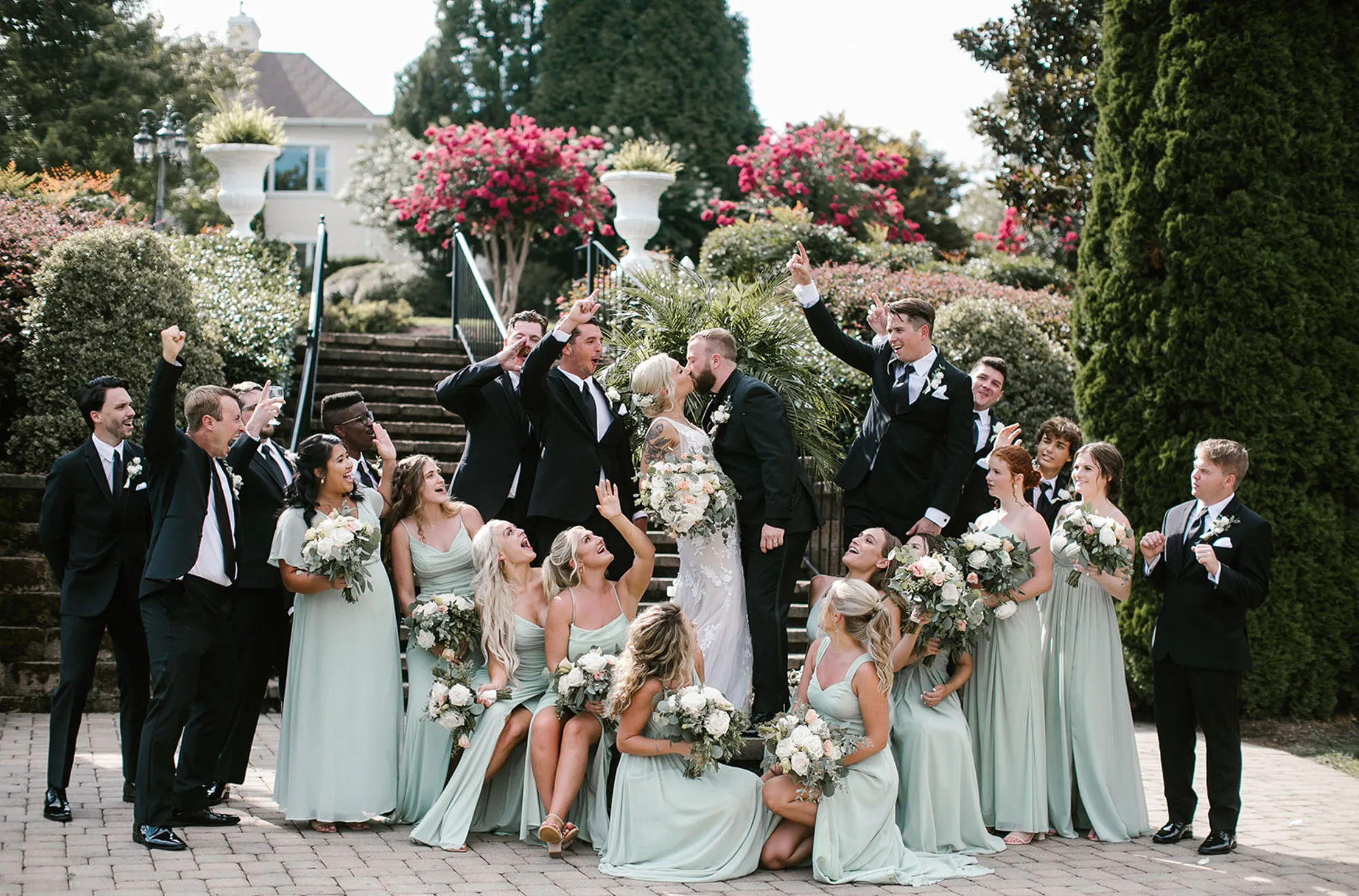
Wedding party members almost always benefit from being onsite. It simplifies early start times, keeps everyone together, and makes last minute needs easier to handle.
If you have limited rooms, consider:
If the venue has a strong onsite experience, the wedding party will also enjoy the weekend more because they are not constantly driving and coordinating.
These two groups can make or break the comfort of your weekend if lodging is not thoughtful.
Onsite lodging helps because:
If onsite rooms are limited, try to offer them to families with young children first, especially if they are close family.
For older relatives or guests with mobility concerns, onsite lodging can be the difference between attending comfortably and feeling overwhelmed. If the property has stairs or longer walking paths, nearby lodging with easier access might actually be better. Ask your venue team what they recommend.
Onsite lodging is not only about the wedding night. The night before and morning after often become the most memorable parts of a wedding weekend.
If you are hosting a welcome moment, onsite guests will naturally gather more easily. This can be cozy, low pressure, and meaningful.
Onsite lodging makes farewell brunch or breakfast feel effortless. Guests do not have to travel back to the venue. They simply show up and linger.
This is part of why many couples love staying overnight at their venue. It creates a gentle start and finish to the weekend. For inspiration on that experience, see: The advantages of staying overnight at your wedding venue.
To make this easier, here are three realistic examples you can borrow.
Onsite:
Nearby:
Onsite:
Nearby:
Onsite:
Nearby:
Notice the pattern. Onsite stays focused on roles, comfort, and travel intensity, not on social ranking.
Once you set your plan, commit to it. Lodging can become a distraction if you keep revisiting it. Give yourself a lodging cutoff date, finalize onsite rooms, and then focus on the celebration.
If a guest asks later and onsite rooms are full, you can confidently say:
Clear, calm, and kind.
Deciding who stays onsite at your wedding venue and who stays nearby is not about perfect fairness. It is about building a weekend that runs smoothly, keeps guests comfortable, and gives you more time to be present.
Prioritize the people whose presence impacts logistics, support the guests who need the most comfort, and create a nearby lodging plan that feels just as thoughtful. When you do that, everyone wins, including you.
If you want to explore what a full estate wedding weekend can feel like when lodging, hospitality, and celebration happen in one place, start with the overview at Castleton Farms.