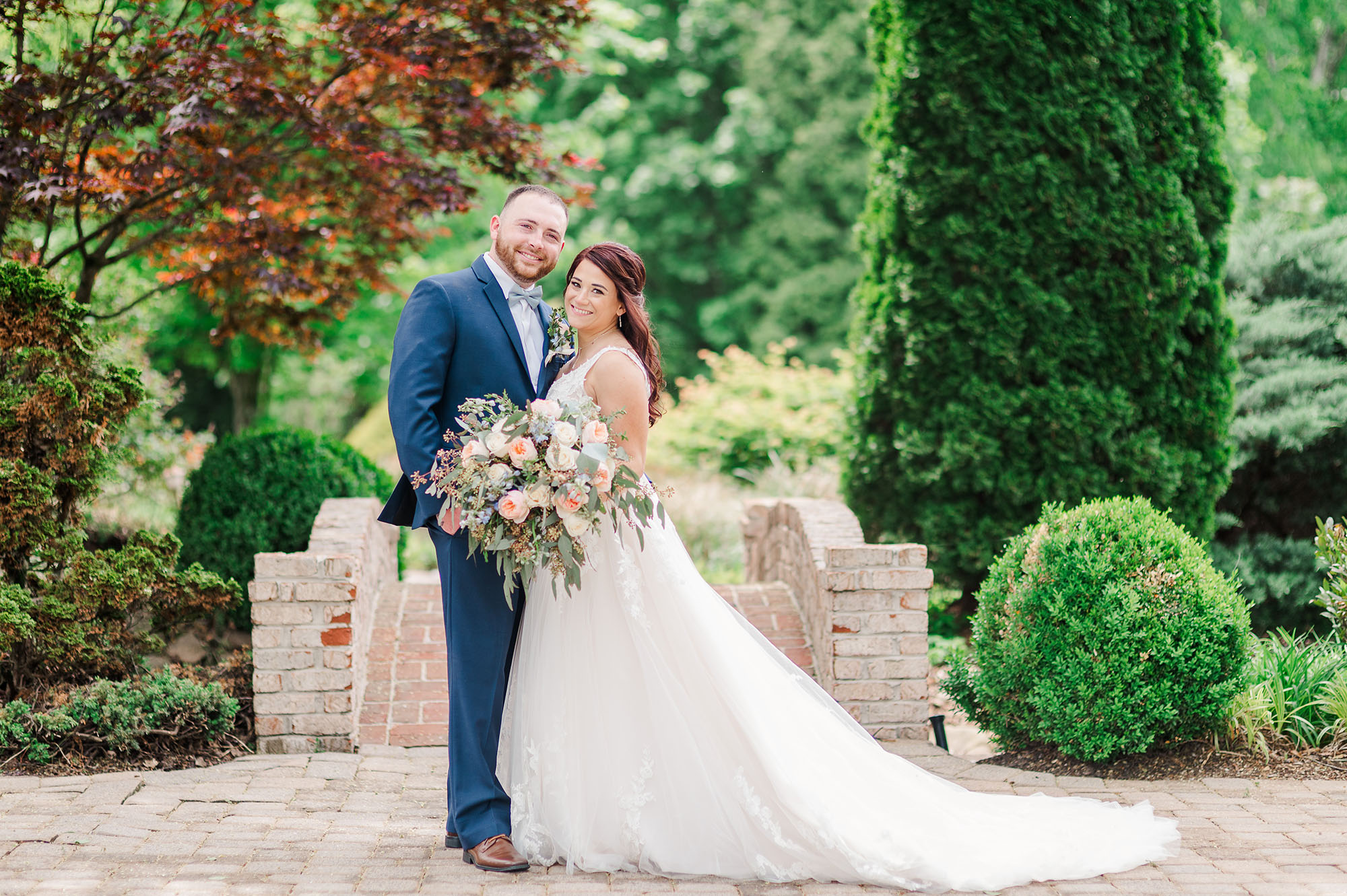
Your wedding timeline should include more than fittings, florals, and final guest counts. A thoughtful self care plan helps you feel rested, confident, and emotionally present before the celebration begins. This guide breaks bridal self care into simple steps for spa planning, better sleep, and stress management so the weeks before your wedding feel calmer, more intentional, and easier to enjoy.
A bridal self care timeline works best when it is planned early, kept realistic, and treated like part of the wedding experience. Start by listing the routines that help you feel grounded, such as sleep, skincare, movement, quiet time, meals, hydration, and spa appointments. Then place those items on your calendar before the final planning rush begins.
Use this simple order:
For couples planning a hosted celebration, the fully planned Castleton Estate wedding experience can help reduce the number of details a bride has to personally manage.
Most brides should begin spa planning at least one to three months before the wedding, especially if treatments involve skin, massage, body care, or bridal party scheduling. The goal is to give your body time to respond while avoiding anything new or irritating too close to the ceremony.
Start with a consultation or gentle facial several months out. Add massage or aromatherapy during high-stress planning periods. In the final two weeks, focus on hydration, rest, and soothing services rather than aggressive treatments. In the final forty-eight hours, choose light, calming options that help you feel relaxed without causing redness or tenderness.
Brides who want a more elevated experience can explore pre-wedding spa packages at Castleton Estate as part of their wedding week plan.
Better bridal sleep usually comes from consistency, not perfection. In the month before the wedding, aim for a regular bedtime, a calmer evening routine, and fewer late-night planning sessions. Sleep supports your mood, skin, focus, and patience, all of which matter during the final stretch.
Try a thirty-minute wind-down routine each night. Put your phone away, write tomorrow’s tasks on paper, dim the lights, stretch gently, and avoid checking vendor emails from bed. If your mind races, keep a short “parking lot” note where you can write reminders without solving them immediately.
A soft bridal glow comes from hydration, consistency, and treatments that leave skin calm instead of stressed. If your goal is natural, fresh, and romantic, avoid dramatic last-minute changes. Begin with gentle skin support several months out, then schedule relaxing services that help you feel restored as the wedding approaches.
For a soft look, prioritize:
This style works well for brides who want to look like themselves, only more rested and radiant. For more ideas on connecting beauty prep with emotional ease, read about how spa services support wedding day preparation.
A polished, photo-ready timeline is more structured. It works best for brides who want a refined beauty plan with scheduled skincare, body care, nails, hair removal, massage, and day-of prep. The key is to complete higher-risk services early and save gentle finishing touches for the final week.
Plan skin treatments several months ahead. Schedule waxing, brows, or spray tanning only if you have tested them before. Finalize nails one to three days before the wedding. Keep massages relaxing, not overly deep, during wedding week so you do not feel sore.
A polished timeline should still feel peaceful. The goal is confidence, not overcorrection. Brides who want the wedding morning to feel elevated can learn how spa treatments enhance the wedding day experience without making the schedule feel overloaded.
The week of the wedding is not the time for bold experiments. Avoid new skincare actives, deep peels, intense workouts, unfamiliar facials, extreme dieting, new supplements, or major hair color changes. Even positive changes can create stress if your body reacts differently than expected.
Instead, choose gentle routines you already trust. If you need support unwinding, use light massage, hydration, breathing exercises, quiet time, and a simple evening routine. This approach aligns with the idea of using spa treatments to unwind before the wedding.
Wedding stress often peaks when every small decision feels urgent. The best stress management plan gives each concern a place to go. Create three lists: decisions only you can make, tasks someone else can handle, and items that are nice but not necessary. This keeps your mind from treating everything as equally important.
Pause for five minutes. Breathe slowly. Drink water. Choose one next action. Then hand off anything that does not require your personal attention.
It also helps to schedule calm before you feel stressed. A massage, quiet walk, early bedtime, or phone-free meal can reset your energy before tension builds. For more perspective, see why relaxation leading up to the wedding day matters for clarity, confidence, and presence.
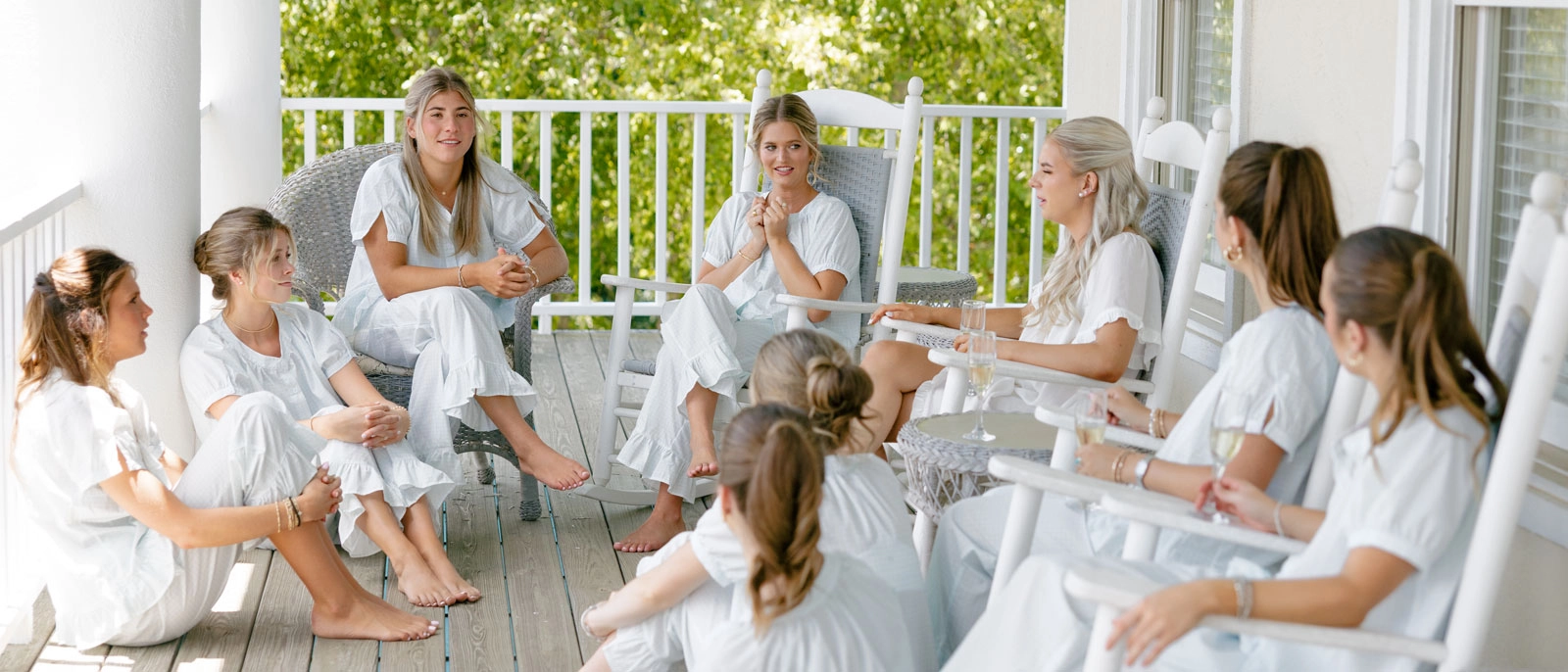
The right self care experience depends on your schedule, personality, and wedding style. A solo spa service works well when you need quiet and privacy. A couples treatment is ideal when you and your partner need to reconnect before the celebration. Bridal party pampering is best when you want the morning to feel joyful, calm, and shared.
Choose a spa day if you need focused relaxation. Choose an overnight stay if you want a full reset before or after the wedding. Choose bridal party pampering if your getting-ready timeline needs more ease and intention.
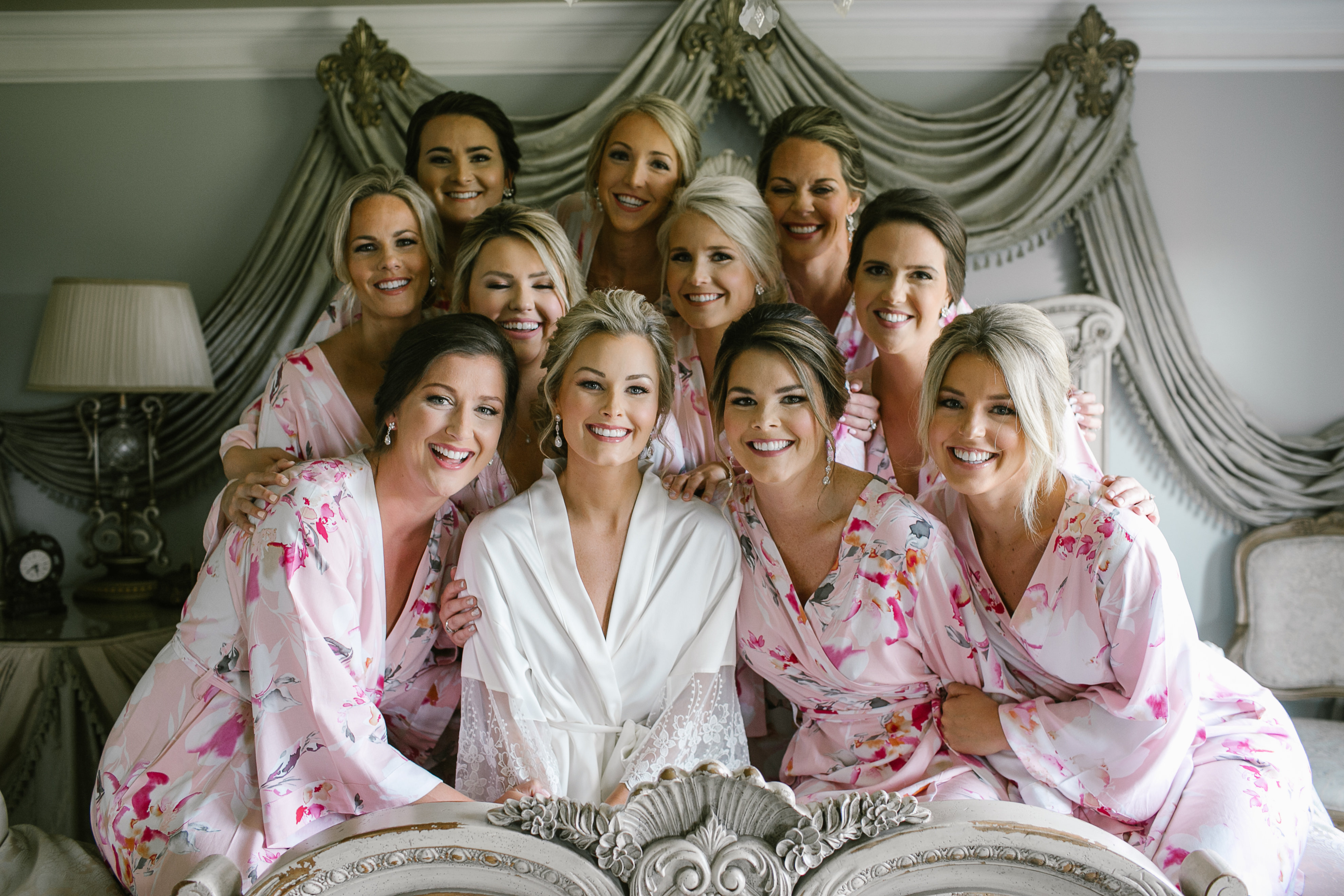
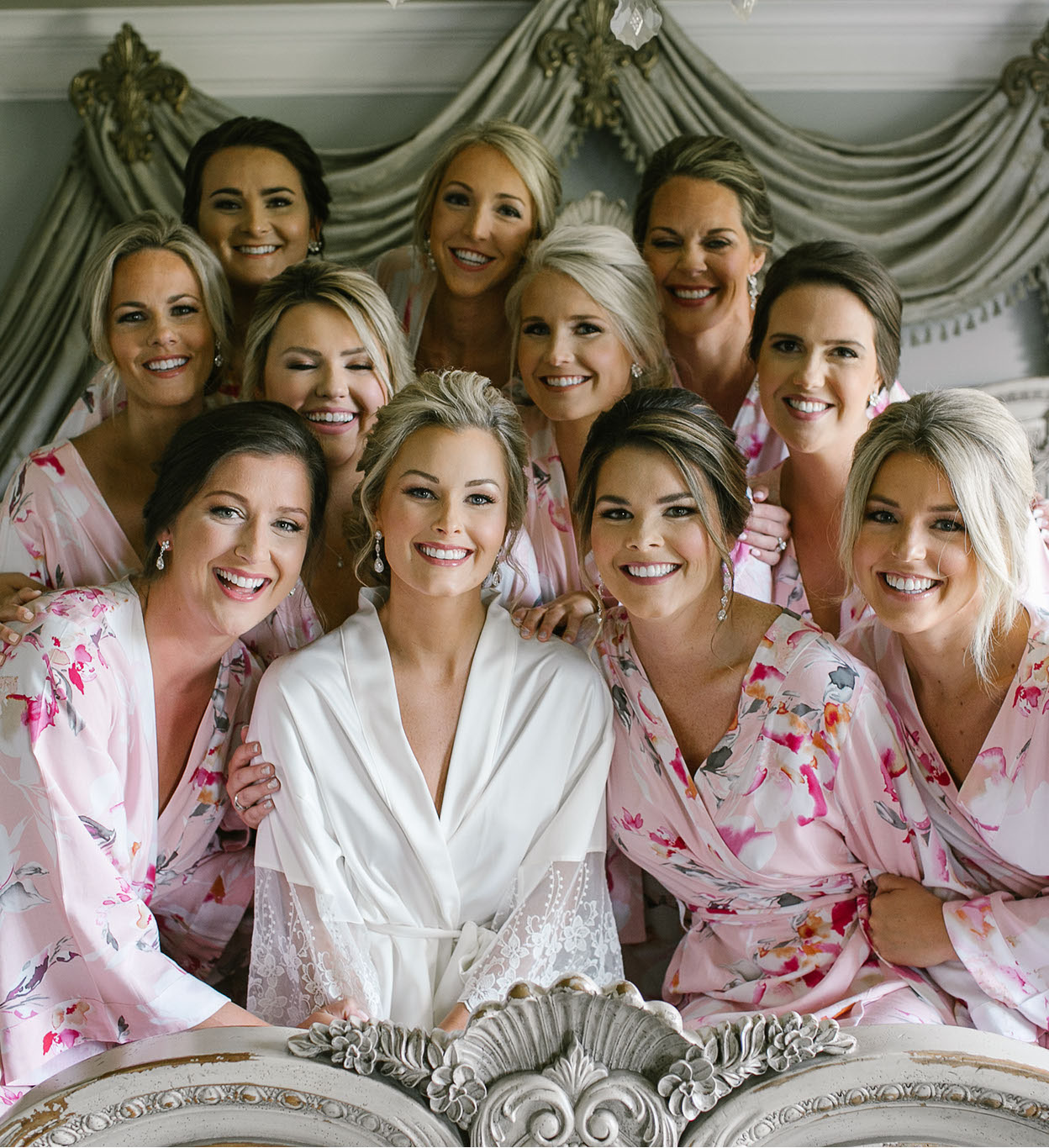
A bride who wants shared memories may love turning bridal party prep into a relaxing experience. Couples who want more rest can consider an elegant bed and breakfast stay at Castleton Estate or the romance of combining spa treatments with overnight getaways.
Brides with sensitive skin, anxiety, health concerns, or demanding schedules should keep self care simple and predictable. Start early, test everything well in advance, and avoid adding too many new appointments during the final week. If you are pregnant, managing a skin condition, taking medication, or prone to reactions, speak with a qualified professional before booking treatments.
For sensitive skin, choose soothing treatments and avoid aggressive exfoliation close to the wedding. For anxiety, build in short daily resets instead of relying on one large spa day. For busy schedules, place recovery time directly on the calendar so it is not skipped.
The best plan is the one you will actually follow. If your calendar is packed, use small moments of rest and explore how spa services can offer relaxation during a busy wedding schedule.
A micro wedding bride can often build a more spacious self care timeline because the event is smaller, more intentional, and easier to personalize. Instead of managing a large production, the focus can shift toward meaningful details, relaxed preparation, and time with the people closest to you.
For a micro wedding, keep the timeline centered on ease:
A hosted small celebration can still feel refined and complete. Brides planning an intimate event can explore the Castleton Micro Celebration for weddings of fifty guests or fewer.
Self care feels more natural when it is built into the wedding environment instead of treated as an extra task. At Castleton Estate, the setting, planning support, spa options, lodging, and hosted wedding structure all work together to help couples feel cared for before, during, and after the celebration.
A bride can make self care part of the experience by planning spa time, protecting the getting-ready schedule, using on-site spaces intentionally, and trusting the event team with logistics. The goal is to feel present, not pulled in every direction.
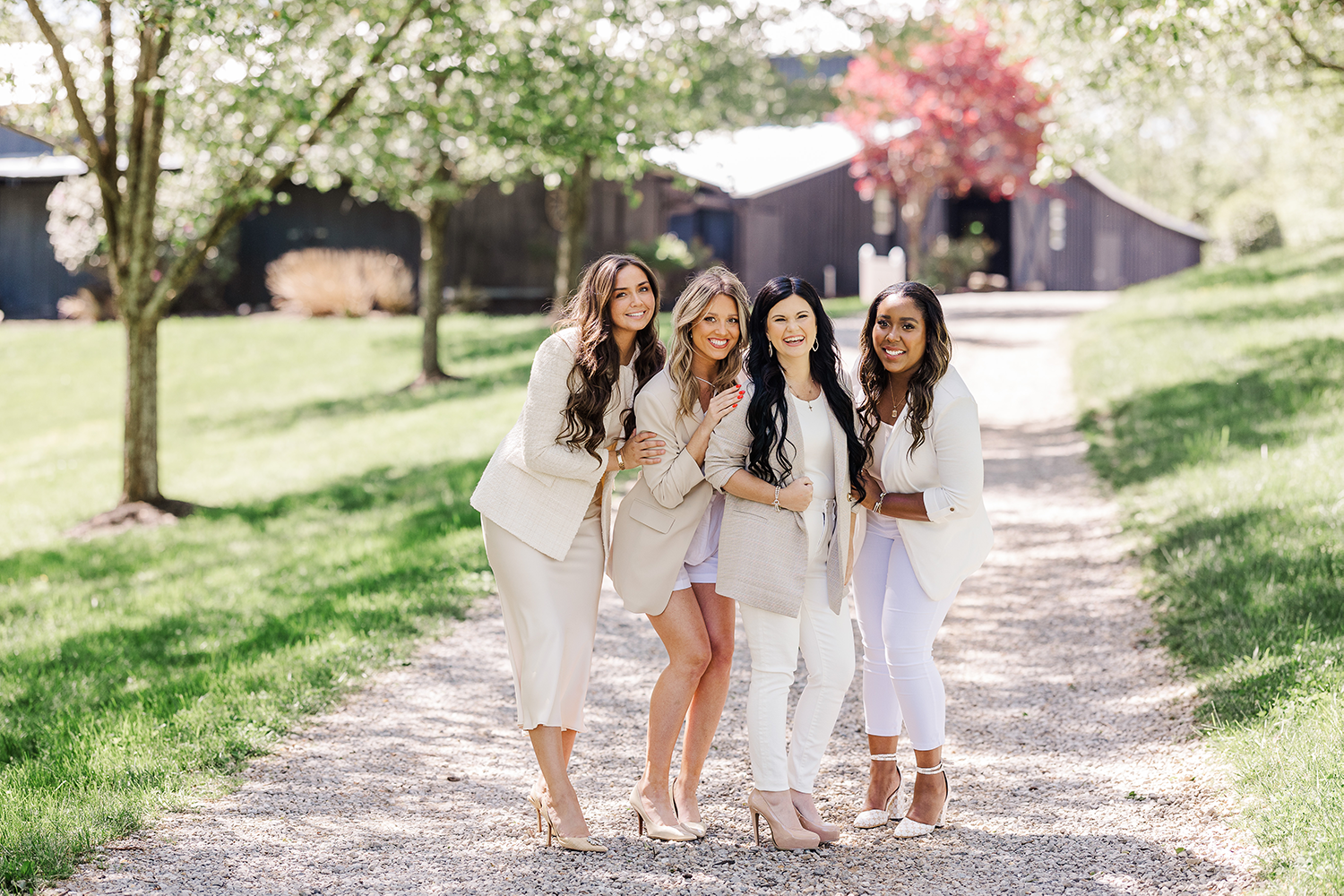
If you want a celebration where planning support and hospitality shape the entire experience, learn more about the Castleton Estate team behind each hosted wedding.
Start one to three months before the wedding. Begin earlier for skincare goals, sleep changes, fitness routines, or spa services that need testing.
Only choose a gentle facial you have tried before. Avoid peels, extractions, or new treatments close to the wedding.
Prioritize consistent, restful sleep every night during the final month. A regular routine is more helpful than trying to recover all at once.
Keep the day light. Eat well, hydrate, delegate final questions, pack essentials early, and choose calming activities.
Yes. A spa-style morning, shared breakfast, quiet music, and a relaxed getting-ready schedule can help everyone feel calmer.
Pause, breathe, write down the next step, and hand off anything that does not need your personal attention.
A strong bridal self care timeline should protect your energy as much as it prepares your appearance. The biggest takeaways are simple: start early, keep wedding week gentle, and make rest part of the plan instead of an afterthought.
Brides who feel calm, rested, and supported can enjoy the celebration more fully. To explore spa options, hosted wedding experiences, overnight stays, or planning support, contact Castleton Estate to begin your experience.