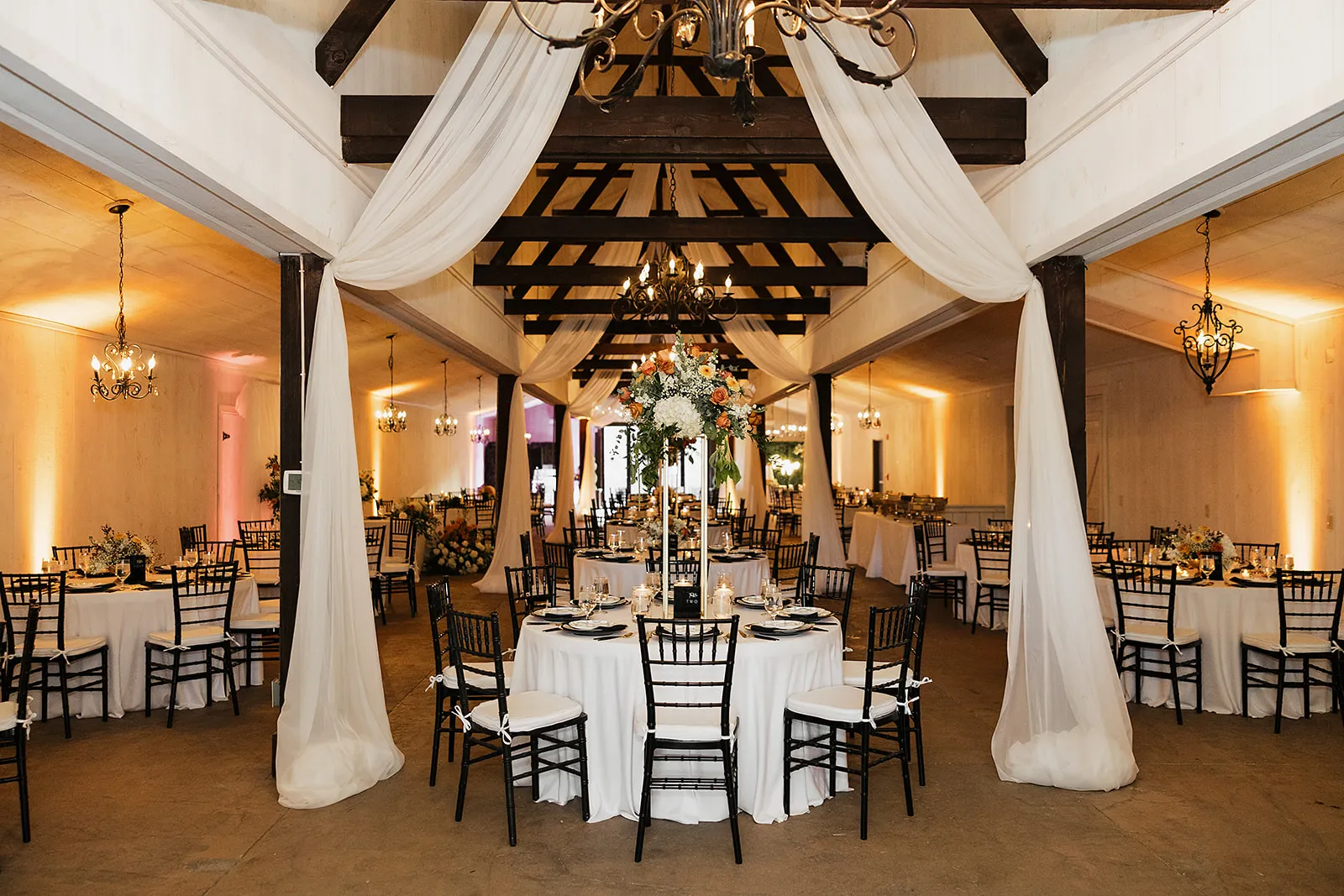
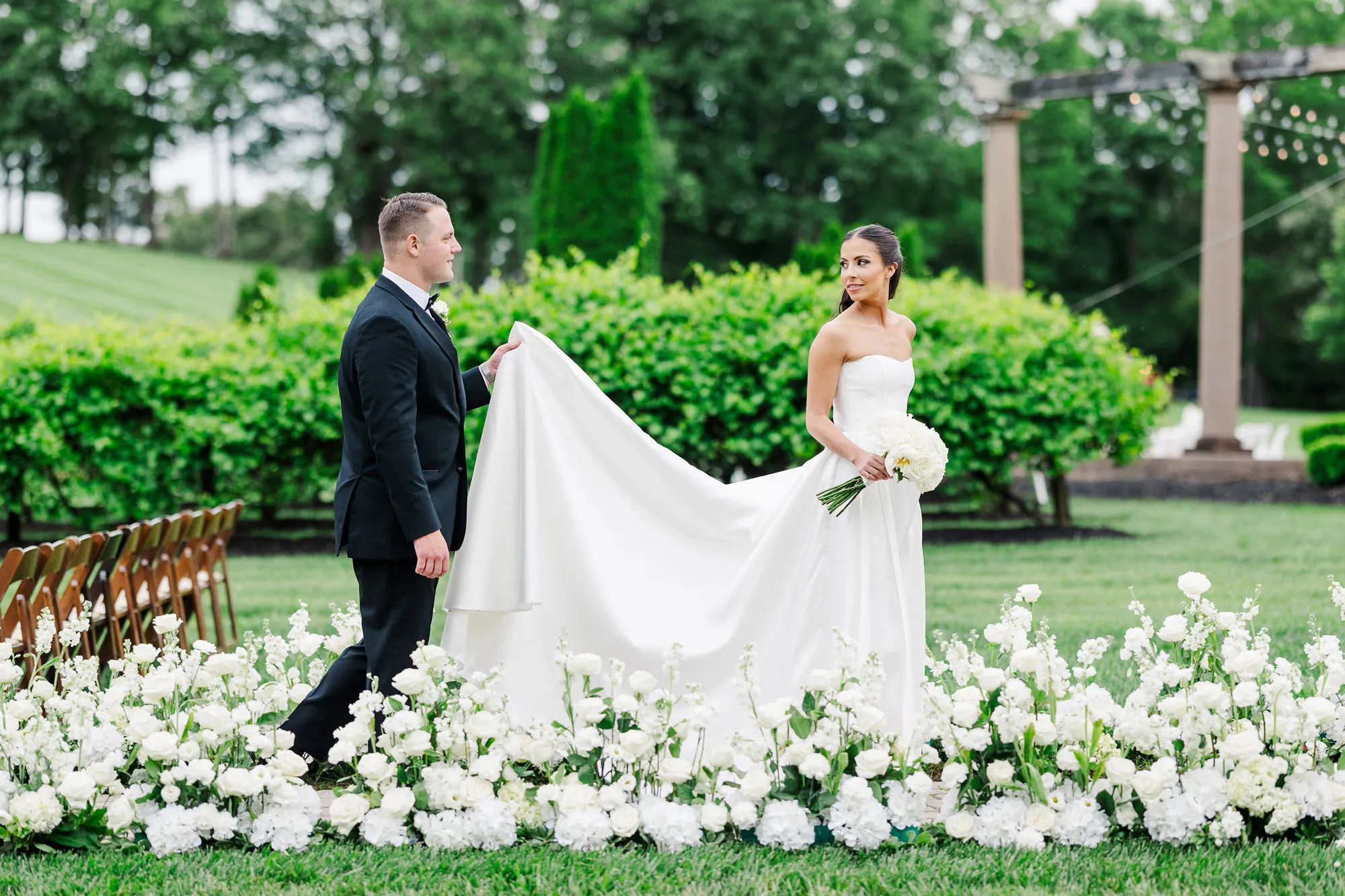
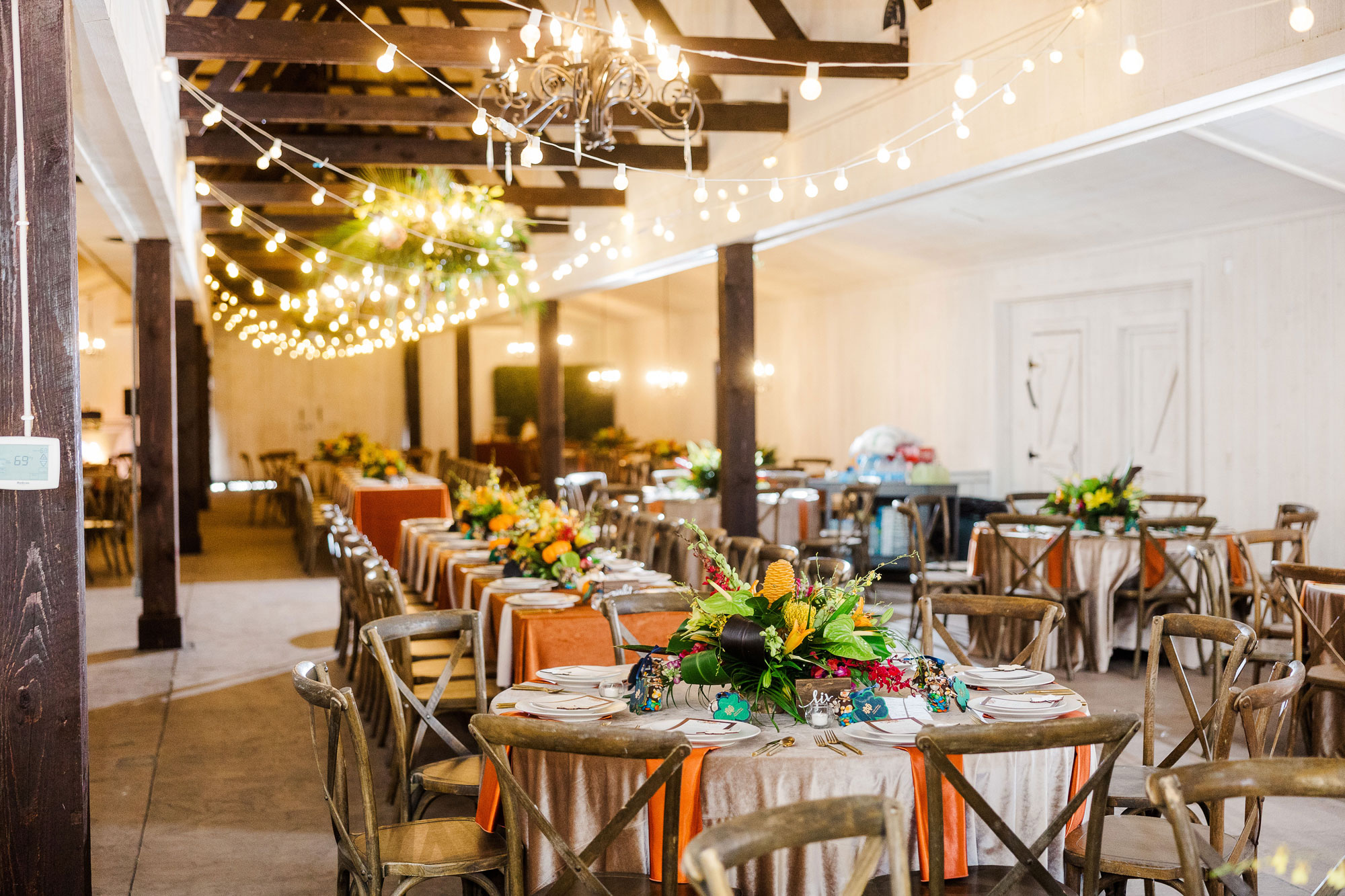
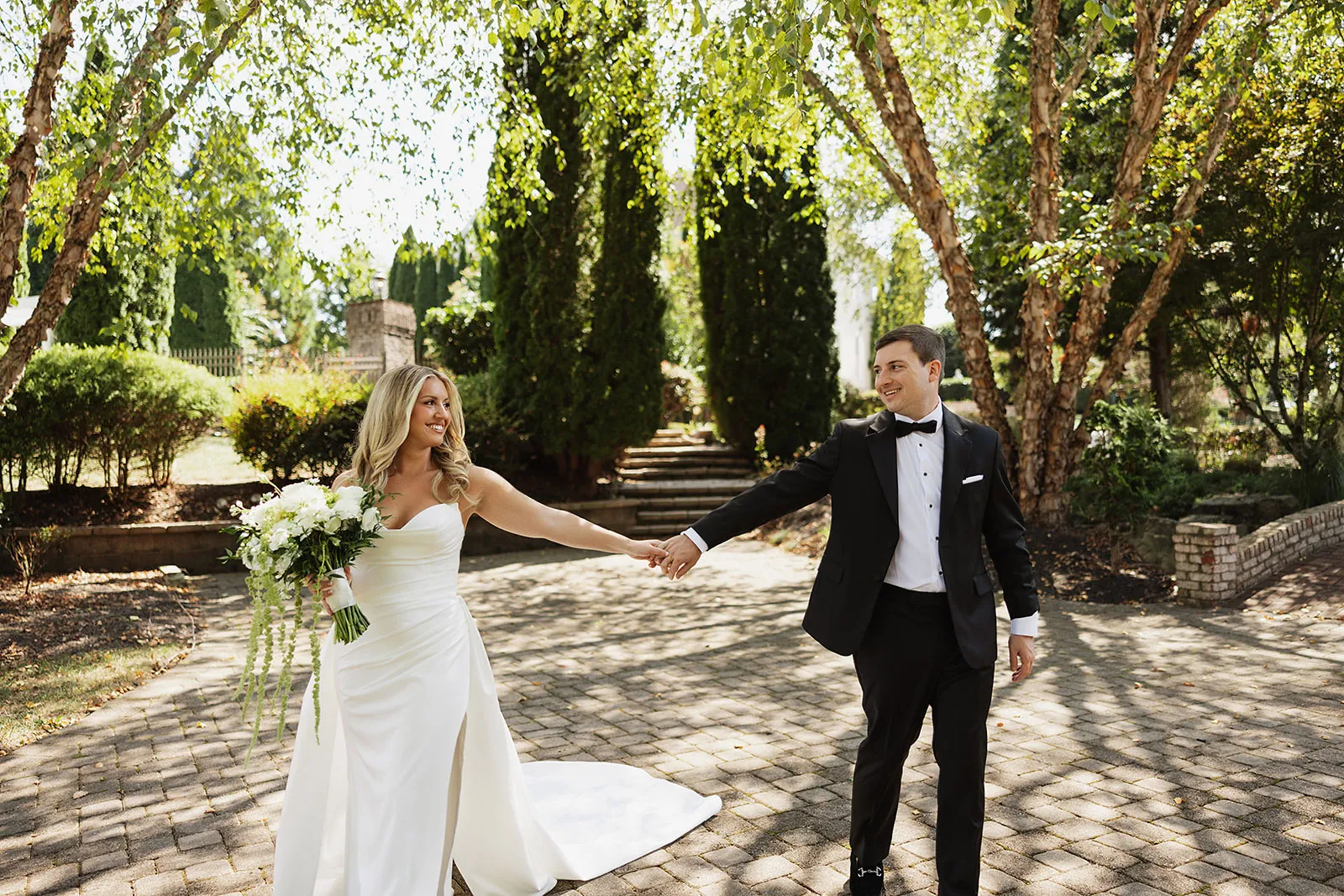
When couples plan a wedding, much of the focus naturally centers around the ceremony, reception design, photography, and entertainment. But for guests traveling from out of town, the experience begins long before they arrive at the venue. Their journey includes booking flights, coordinating schedules, finding accommodations, navigating unfamiliar areas, and managing travel fatigue.
That is why thoughtful hospitality matters so much.
Guests who travel for a wedding are investing significant time, money, and energy into celebrating alongside you. Making them feel comfortable, welcomed, and appreciated transforms the wedding from a single-day event into a meaningful experience they will remember long after the celebration ends.
The good news is that caring for out of town guests does not require extravagance. The most impactful gestures are often practical, intentional, and focused on reducing stress.
Here are five thoughtful ways to make out of town wedding guests feel truly taken care of while creating a more seamless and memorable wedding weekend for everyone involved.
One of the biggest stressors for traveling guests is uncertainty. If guests do not know where to stay, how far the venue is from the airport, or what transportation arrangements they need to make, planning becomes unnecessarily difficult.
Providing clear information early helps guests feel more confident and organized before the wedding weekend even begins.
A wedding website should include a section specifically designed to answer logistical questions for traveling guests.
Helpful information includes:
Couples hosting celebrations at estate-style venues often find this especially important because guests may be unfamiliar with countryside or destination-style locations. Venues that offer a fully immersive experience, such as exclusive country estate weddings, benefit greatly from detailed travel guidance that helps guests settle into the experience comfortably.
Out of town guests appreciate simplicity. Instead of leaving guests to research everything on their own, provide curated recommendations for several accommodation styles and budgets.
This may include:
If your venue offers overnight accommodations, explain clearly:
Couples planning extended celebrations often find it helpful to review ideas like sample wedding weekend itineraries with onsite lodging when organizing accommodations for guests traveling from different locations.
Guests feel more relaxed when they understand the flow of events.
Even a simple overview helps:
Traveling guests often need additional time to coordinate outfits, meals, transportation, and rest. A clear schedule helps them plan comfortably without feeling rushed or confused.
Not every guest understands the logistics of countryside or estate weddings.
Clarify important details such as:
If your wedding includes outdoor celebrations across multiple locations, guidance inspired by planning an outdoor wedding weekend experience can help guests prepare appropriately and avoid unnecessary stress.
Travel can be exhausting, especially for guests arriving after long drives or delayed flights. The arrival experience sets the emotional tone for the rest of the wedding weekend.
Guests who feel welcomed immediately tend to relax faster and enjoy the celebration more fully.
The best welcome bags focus on usefulness rather than decoration.
Practical items often include:
Destination-style weddings may also include:
Guests appreciate items that solve real travel inconveniences.
Couples looking to create a memorable arrival experience often draw inspiration from luxury wedding guest hospitality ideas.
Out of town guests often have downtime between events and enjoy exploring the surrounding area.
Helpful recommendations include:
Providing local guidance makes guests feel more comfortable navigating an unfamiliar destination.
Some guests will arrive after welcome parties or hotel check-in hours.
Prepare for this possibility by sharing:
Small details help guests avoid feeling stranded or confused after travel delays.
Estate and countryside venues often require extra navigation support.
Helpful options include:
Guests should feel confident getting where they need to go without stress or uncertainty.
Convenience is one of the strongest forms of hospitality. A beautiful wedding can still feel exhausting if transportation is disorganized or guests struggle with logistics throughout the weekend.
Reducing friction helps guests stay present and enjoy the celebration.
Transportation coordination becomes especially valuable when:
Shuttle services help:
Estate weddings often benefit from centralized transportation planning because guests may be traveling between hotels, ceremony locations, and reception spaces throughout the weekend. Couples can learn from multi-location wedding planning strategies when organizing transportation flow.
Elderly guests may face mobility challenges that younger guests do not immediately notice.
Important considerations include:
Thoughtful accommodations may involve:
These details significantly improve comfort for aging family members.
Some couples unintentionally create wedding weekends with nonstop events and minimal downtime.
Traveling guests often need time to:
Balanced scheduling feels far more welcoming than an overly rigid itinerary.
Couples planning multi-event celebrations often benefit from reviewing wedding weekend experience ideas to create a smoother pace for guests.
Guests traveling from different climates may not know what conditions to expect.
Helpful communication may include:
Providing guidance helps guests prepare appropriately and remain comfortable throughout the celebration.
Food plays a major role in how guests experience a wedding weekend. Traveling guests are often operating on irregular meal schedules, airport snacks, and limited sleep.
Thoughtful meal planning improves comfort and energy significantly.
Hospitality should extend beyond the formal reception meal.
Traveling guests may also need:
When couples anticipate these needs, guests feel genuinely cared for throughout the weekend.
Guests arriving from flights or long drives are usually hungry.
If hosting a welcome event, provide enough food to function as an actual meal rather than light appetizers alone.
Good options include:
Guests remember generosity and comfort more than extravagance.
Couples hosting larger gatherings often look to all-inclusive wedding venue planning ideas for ways to simplify guest dining logistics.
Hydration becomes especially important during:
Helpful additions include:
These details dramatically improve guest comfort.
Guests with dietary restrictions should feel accommodated, not overlooked.
Plan ahead for:
Clear communication with caterers prevents unnecessary stress for guests managing dietary needs.
Late-night food helps guests recharge before heading back to hotels after a long evening.
Popular options include:
Comfort food often becomes one of the most memorable parts of the reception experience.
The most meaningful hospitality is emotional. Guests want to feel valued, welcomed, and included in the celebration rather than simply attending an event.
Small moments of personal connection often leave the strongest impression.
Traveling to a wedding involves significant commitment.
Guests may spend:
A sincere acknowledgment matters.
This may happen through:
People appreciate knowing their effort was meaningful.
Many couples become overwhelmed during the wedding day and unintentionally rush through interactions.
Out of town guests especially value even brief moments of genuine connection.
Helpful approaches include:
Warmth and presence matter more than perfection.
Wedding weekends often bring together friends and family members from different phases of life.
Thoughtful planning encourages guests to feel socially comfortable.
Helpful ideas include:
Estate weddings that emphasize immersive experiences often create stronger guest connections naturally. Many couples find inspiration through destination-style wedding celebrations in Tennessee when designing guest-centered events.
Not every moment needs scheduled entertainment.
Guests also appreciate time to:
Relaxed pacing creates a more luxurious and comfortable atmosphere overall.
Guest appreciation should not end when the reception concludes.
Post-wedding gestures may include:
These small acts reinforce that guests were truly valued throughout the experience.
At its core, wedding hospitality is about reducing stress and increasing comfort. Out of town guests do not expect perfection. What they appreciate most is intentional care.
Thoughtful weddings anticipate needs before guests have to ask. They simplify logistics, communicate clearly, and create an atmosphere where people can relax and fully enjoy the celebration.
The most memorable weddings are not always the most extravagant. Often, they are the ones where guests felt:
When couples prioritize the guest experience alongside the celebration itself, the wedding becomes more than a beautiful event. It becomes an unforgettable experience shared by everyone who traveled to be part of it.