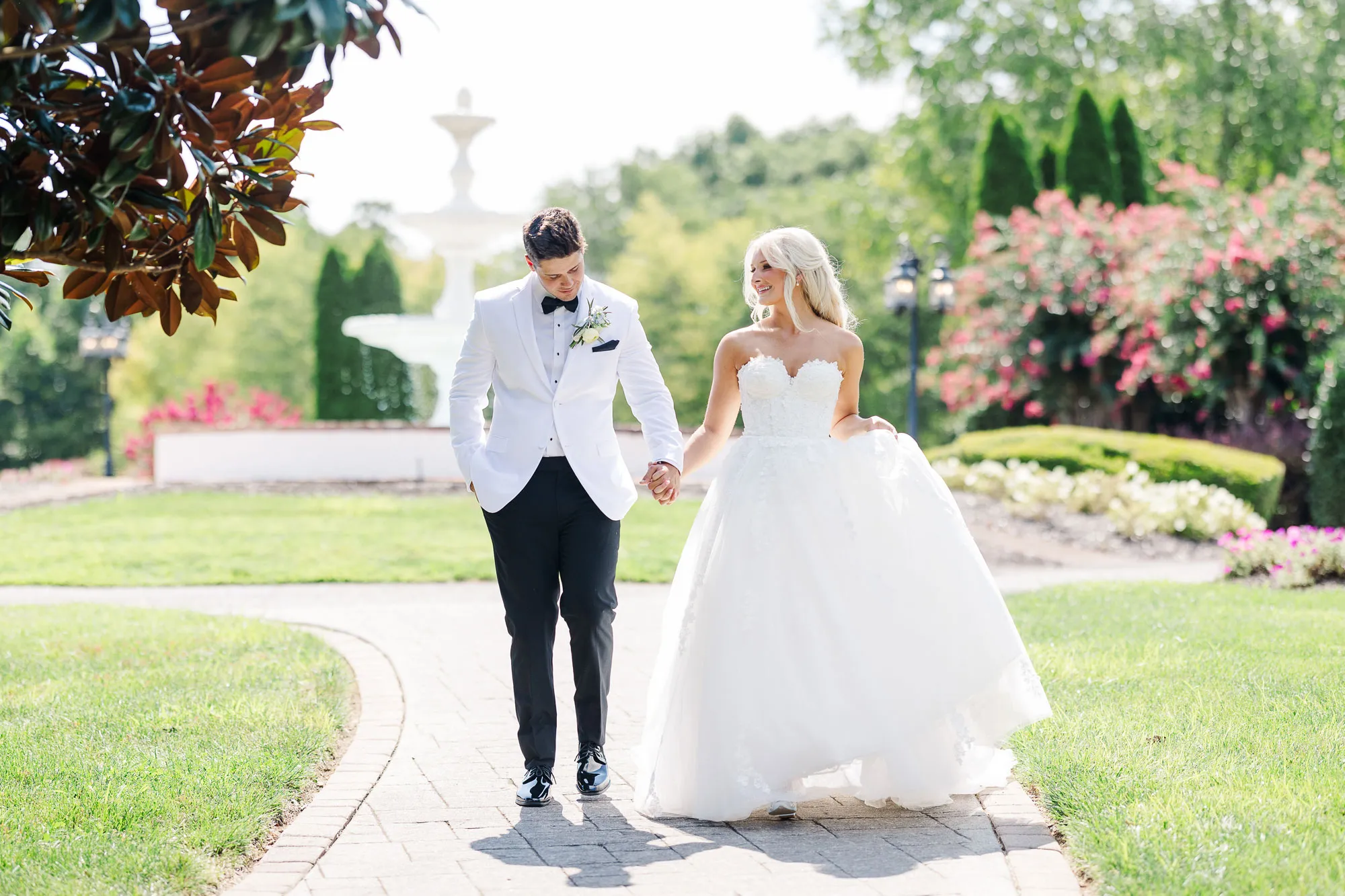
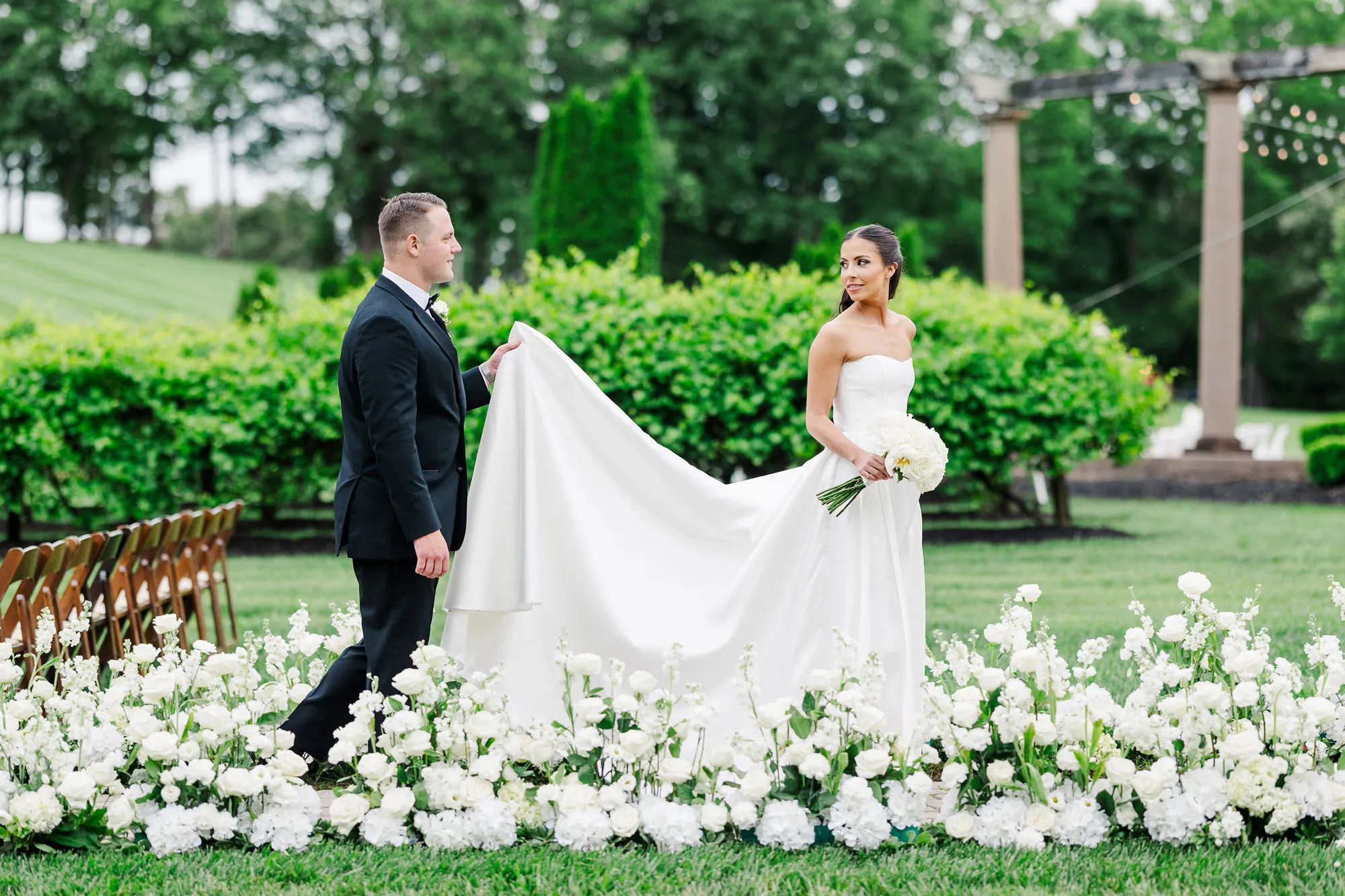
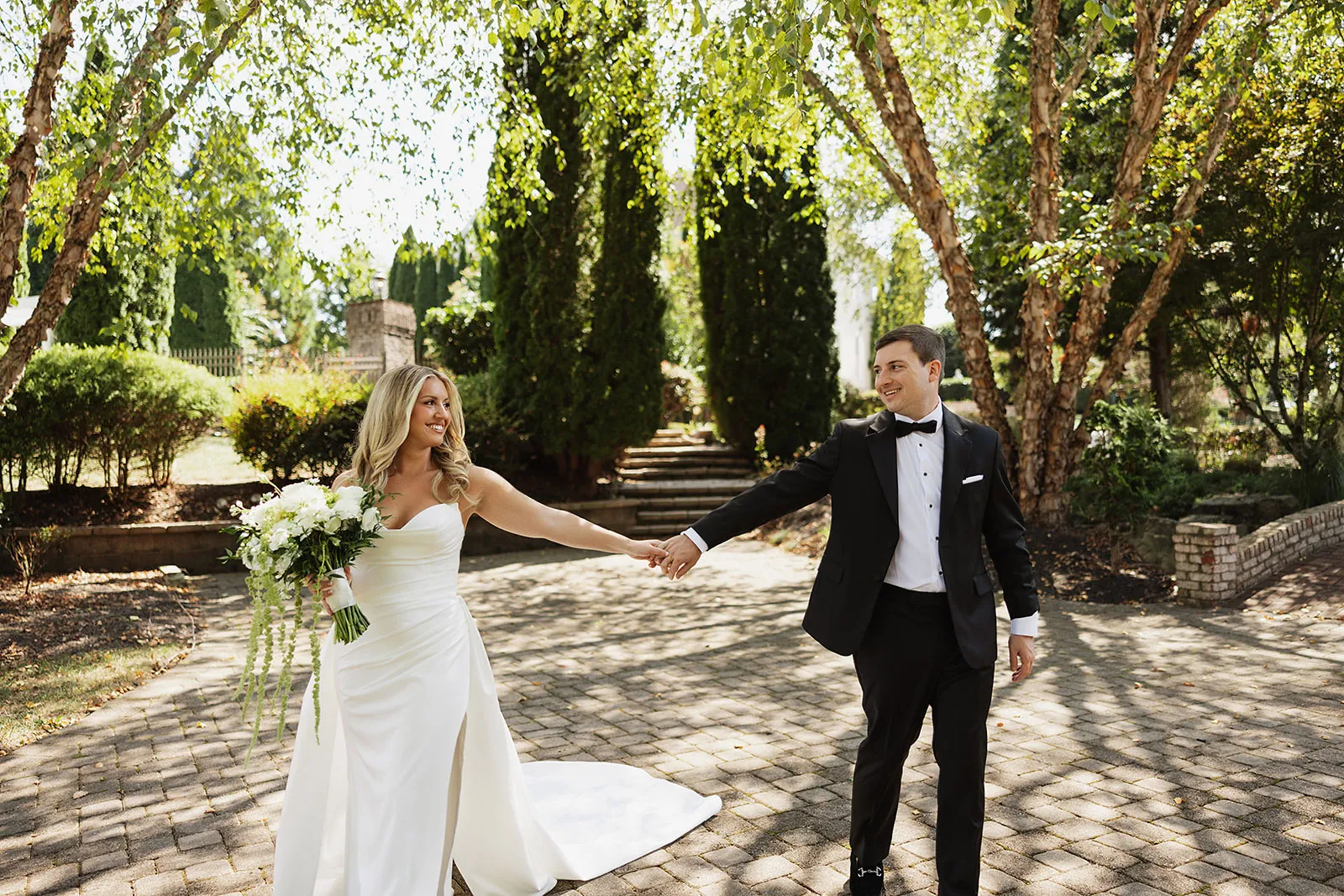
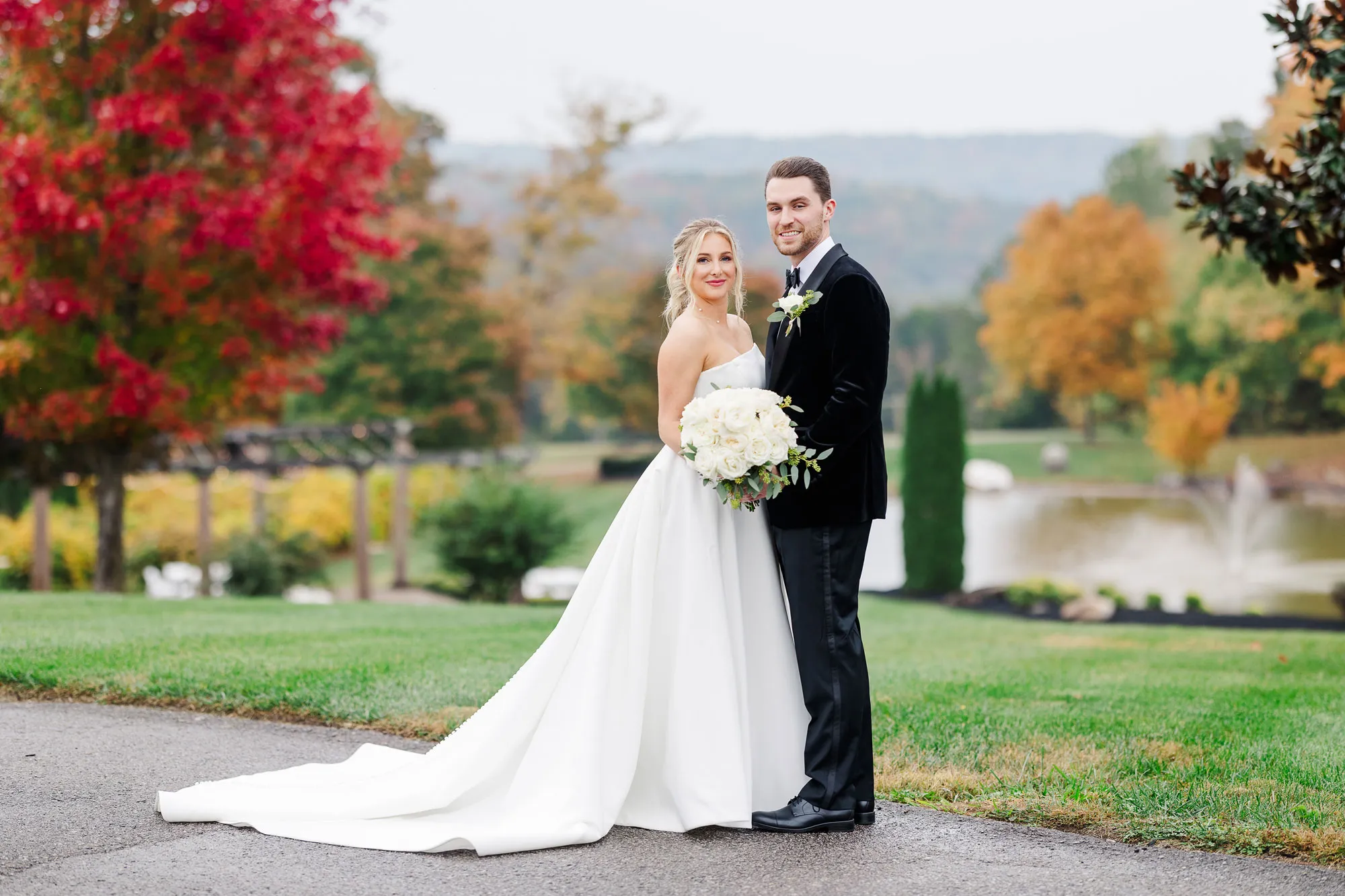
Historically, wedding planning literature has been directed almost entirely toward brides. Popular culture often portrays the groom as a passive participant whose only job is to show up on time wearing a rented tuxedo.
Modern weddings require a genuine partnership. Planning a celebration involves hundreds of moving parts, financial decisions, and guest management details. When a groom takes proactive ownership of specific responsibilities, it reduces stress, strengthens the relationship, and ensures the wedding reflects both partners.
This comprehensive guide breaks down the groom's role into actionable, manageable steps, taking you from early engagement logistics straight through to the moment you stand at the altar.
Phase 1: Setting the Foundation (10 to 12 Months Out)
The first few months of engagement set the tone for your entire planning experience. Taking initiative early prevents last-minute stress and establishes a balanced division of labor.
Establish the Budget and Core Priorities Together
Before booking vendors or placing deposits, sit down with your partner to have an open, honest conversation about money and vision.
Key discussions to have early include:
- Total Investment: Determine how much you both plan to contribute and whether family members are contributing.
- Non-Negotiable Elements: Identify your top priorities. Is great food your main focus? Do you care deeply about a high-energy live band, or is a breathtaking setting at the top of your list?
- Guest Count Targets: Agree on an approximate guest headcount before touring venues, as space requirements directly drive costs.
Taking an active role in these conversations ensures that your interests are represented from day one.
Build Your Half of the Guest List
Gathering addresses and contact details for your side of the family is entirely your responsibility. Do not make your partner chase down contact information for your cousins, college roommates, or parents' friends.
Create a clean spreadsheet containing:
- First and last names (including correct spelling for spouses and partners)
- Physical mailing addresses for formal save-the-dates and invitations
- Email addresses and phone numbers
- Clear indications of whether households include children
Getting your list organized early makes the invitation phase smooth and painless.
Choose Your Groomsmen and Best Man
Selecting your wedding party is one of the most personal decisions you will make. Choose people who are reliable, supportive, and capable of executing small tasks on the wedding day.
Once you have chosen your team:
- Ask them formally and clearly outline expectations regarding travel, attire costs, and event dates.
- Designate your Best Man and discuss his responsibilities, including organizing the bachelor party and holding the rings during the ceremony.
Phase 2: Taking Charge of Key Responsibilities (6 to 9 Months Out)
As the planning process gains momentum, taking ownership of specific vendor categories and logistics will keep the momentum moving forward.
Master the Attire Process
Finding attire that fits perfectly and complements the wedding style requires time and attention. Do not leave suit or tuxedo fittings until the last month.
Follow these steps for seamless attire coordination:
- Determine the Formality Level: Work with your partner to match your look to the venue and season. A formal manor requires black-tie tuxedos, while a summer outdoor celebration calls for lighter suits or tailored linen.
- Select the Retailer: Decide whether you are renting or buying suits for yourself and your groomsmen. Custom tailors often require three to four months for construction and alterations.
- Set Up Groomsmen Accounts: Provide your groomsmen with clear deadlines for measurements and order submissions. Keep track of who has submitted their measurements so you can follow up individually.
- Schedule Your Own Alterations: Plan for a final fitting two to three weeks before the wedding day to handle any weight or tailoring adjustments.
Handle Honeymoon Logistics
Traditionally, the groom takes the lead on researching and booking the honeymoon. Taking charge of this travel experience is a fantastic opportunity to create an unforgettable trip for both of you.
Key honeymoon steps to manage:
- Passports and Visas: Check expiration dates on both passports immediately. Many international destinations require passports to be valid for at least six months beyond your travel dates.
- Flights and Accommodations: Book flights early to secure good routing, and reserve hotels or resorts well in advance.
- Travel Insurance and Excursions: Secure travel insurance and book special activities, such as dinners or private tours, ahead of time.
If you are looking for a relaxing post-wedding getaway or want to explore how romantic lodging enhances the celebration, you can read about why a post wedding night is the perfect start to married life.
Choose Groomsmen Gifts
Your groomsmen are investing time and money to support you. Showing appreciation with a thoughtful, personalized gift is essential.
Avoid cheap novelty items that will be thrown away. Instead, choose durable, quality gifts such as:
- Custom leather travel bags or dopp kits
- High-end pocket knives or multi-tools
- Engraved watches or quality cufflinks
- Premium spirits or customized barware
Plan to present these gifts during the rehearsal dinner or while getting ready on the wedding morning.
Phase 3: Fine-Tuning the Details (2 to 4 Months Out)
During the middle phase of planning, your focus shifts toward timeline coordination, vendor communication, and personal touches.
Plan the Rehearsal Dinner
The rehearsal dinner typically takes place the night before the wedding, following ceremony practice. In many traditions, the groom's family hosts this event, making you the primary liaison.
Your duties for the rehearsal dinner include:
- Securing a restaurant, private room, or venue close to the ceremony site.
- Managing the guest list, which usually includes immediate family, wedding party members, partners, and the officiant.
- Coordinating menu selections, dietary needs, and welcome toasts.
For couples organizing a full weekend of events in one setting, read our guide on welcome parties brunches and farewells hosting a full wedding weekend experience to see how pre-wedding events fit together.
Coordinate Transportation and Travel Logistics
Ensuring everyone arrives safely and on time requires clear logistics. Take full ownership of vehicle rentals and guest transit.
Key transportation items to organize:
- Couple's Getaway Vehicle: Book a classic car, luxury sedan, or limousine for your formal exit after the reception.
- Wedding Party Transit: Arrange vans, SUVs, or limousines to transport your wedding party between prep locations, photo sites, and the ceremony venue.
- Guest Shuttles: If your venue is in a rural area, arrange shuttle buses between local hotels and the venue to ensure guests arrive safely and return responsibly after the party.
If you have family traveling from out of town, explore our advice on how to decide who stays onsite at your wedding venue and who stays nearby to manage guest lodging smoothly.
Phase 4: The Final Weeks (1 Month Out)
The final month is all about execution, organization, and emotional preparation. Taking care of administrative details now leaves your mind clear for the wedding week.
Secure the Marriage License
You cannot legally get married without a marriage license. Research the specific requirements for the county where your wedding will take place.
Pay attention to:
- Application Windows: Licenses often have expiration windows (such as 30 or 60 days) and some states have mandatory waiting periods between issuance and the ceremony.
- Required Identification: Gather original birth certificates, driver's licenses, passports, or social security cards as required by local authorities.
- Payment Method: Many government offices require cash or certified checks for marriage license fees.
Write Your Vows
If you and your partner choose to write personal vows, do not leave them for the night before the wedding. Writing under extreme stress leads to generic statements rather than meaningful promises.
Tips for drafting vows:
- Start writing drafts at least three to four weeks before the ceremony.
- Keep your spoken vows between two and three minutes long.
- Focus on specific stories, promises for the future, and what you admire about your partner.
- Write the final version neatly in a small pocket notebook so you are not reading off a smartphone screen during the ceremony.
Finalize Vendor Payments and Gratuities
Financial stress on the wedding day ruins the mood. Prepare all final checks and cash tips well in advance.
Organize envelopes for vendor tips:
- Place cash tips in labeled envelopes for individual vendors such as catering staff, bartenders, musicians, drivers, and planners.
- Hand these labeled envelopes to your Best Man or wedding planner on the morning of the wedding so they can distribute them according to schedule.
Phase 5: The Wedding Day Checklist
When the wedding morning arrives, your main objective is staying calm, managing your groomsmen, and remaining present in the moment.
Morning Schedule and Preparation
- Get Up Early: Eat a balanced breakfast, hydrate, and avoid rushing.
- Manage the Groomsmen: Ensure all groomsmen are showered, shaved, and wearing clean, ironed suits on schedule.
- Steam Attire: Double-check that jackets, trousers, and shirts are wrinkle-free.
- Pack the Rings: Verify that your Best Man has both wedding bands securely in his pocket before leaving for the venue.
On-Site Responsibilities
- Connect with the Planner: Give your wedding planner a quick check-in to confirm you are on site and ready.
- Present Your Partner with a Note or Gift: A handwritten letter delivered to your partner's dressing room before the ceremony is a memorable gesture.
- Welcome Guests: As family members arrive, take time to greet them warmly before stepping into ceremony position.
Groom Planning Timeline Summary
Use this chronological task overview to track your responsibilities across the entire planning journey:
10 to 12 Months Before
- Establish overall budget limits with your partner.
- Draft your half of the guest list with mailing addresses.
- Select your Best Man and groomsmen.
6 to 9 Months Before
- Choose wedding suit or tuxedo styles and set up groomsmen accounts.
- Research and book honeymoon flights, lodging, and activities.
- Select and order groomsmen appreciation gifts.
2 to 4 Months Before
- Plan and organize the rehearsal dinner venue and menu.
- Book transportation for the couple, wedding party, and guests.
- Finalize hotel room blocks and out-of-town guest arrangements.
1 Month Before
- Apply for and obtain the marriage license from the local county clerk.
- Write and practice your personal wedding vows.
- Prepare vendor tipping envelopes for day-of distribution.
Wedding Week
- Pick up suits or tuxedos and complete a final fitting check.
- Pack bags for the honeymoon and wedding night.
- Deliver labeled tip envelopes to your Best Man.
Stepping Up as a True Partner
When a groom actively leads key aspects of the wedding journey, the entire planning experience becomes a shared project rather than a stressful burden on one person. Taking charge of logistics, supporting your partner, and managing your groomsmen ensures a smooth event from start to finish.
If you are looking for advice on building a seamless celebration, you can explore how a dedicated wedding planning team changes your entire wedding experience or reach out to our event specialists to begin your journey.