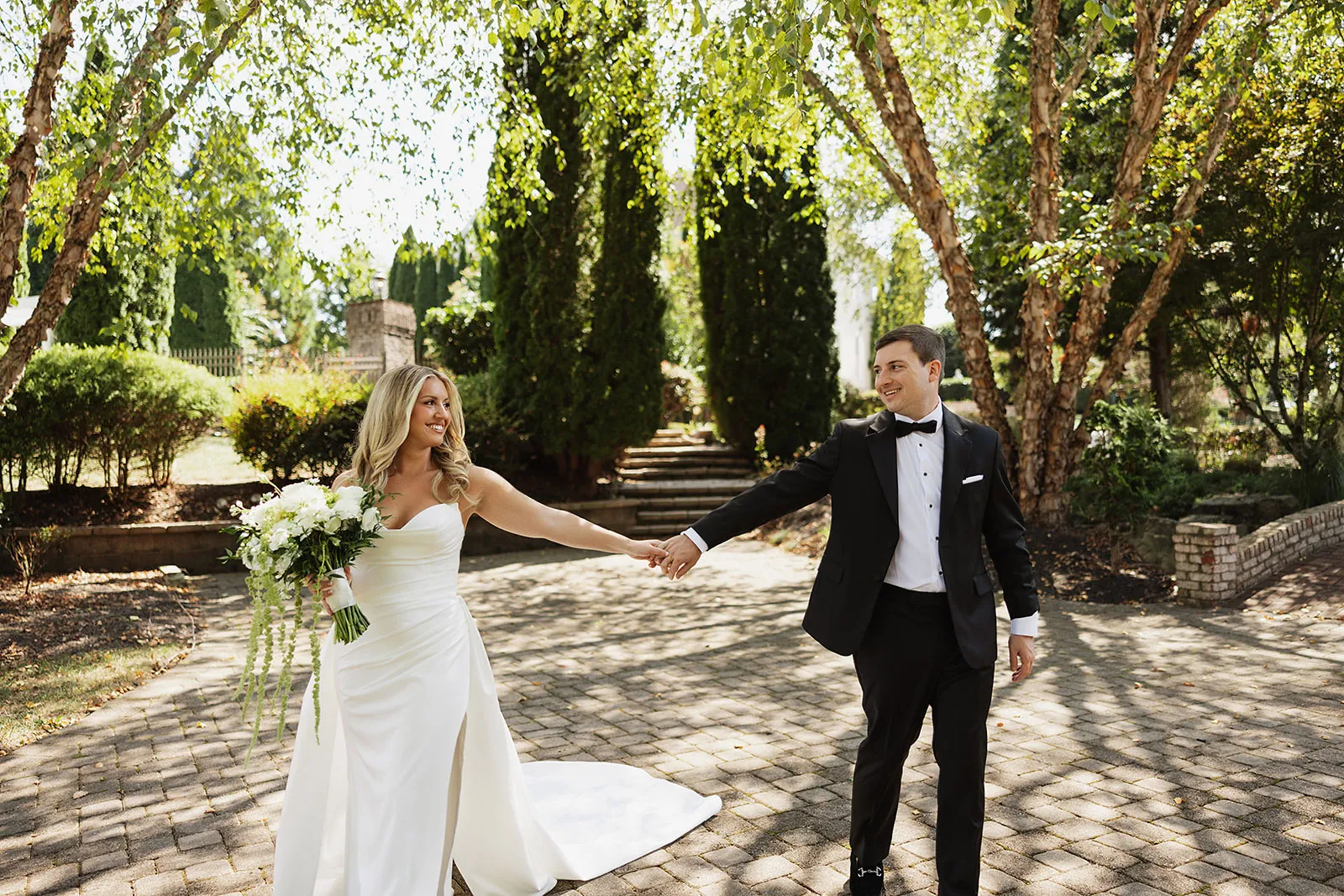
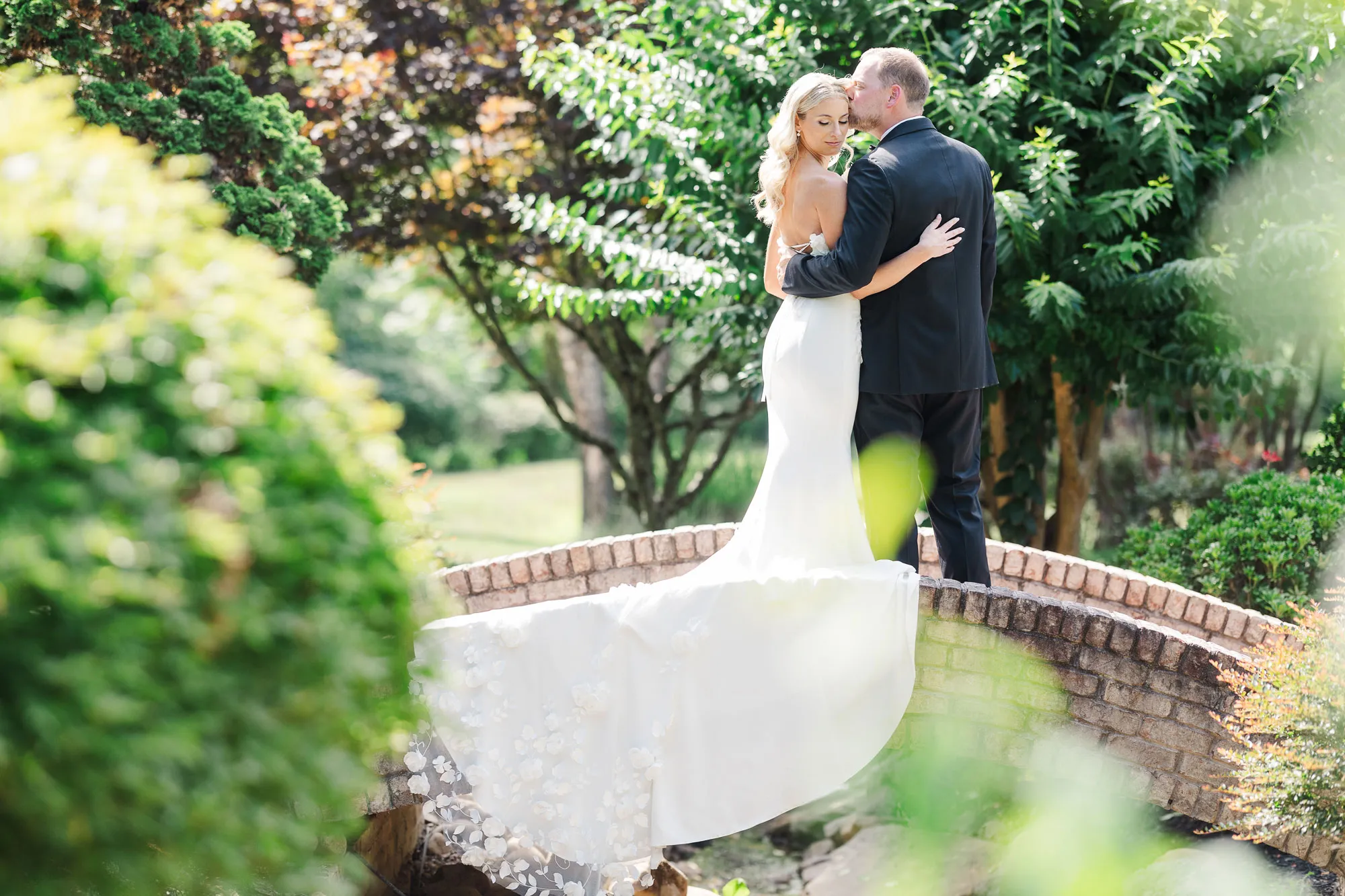
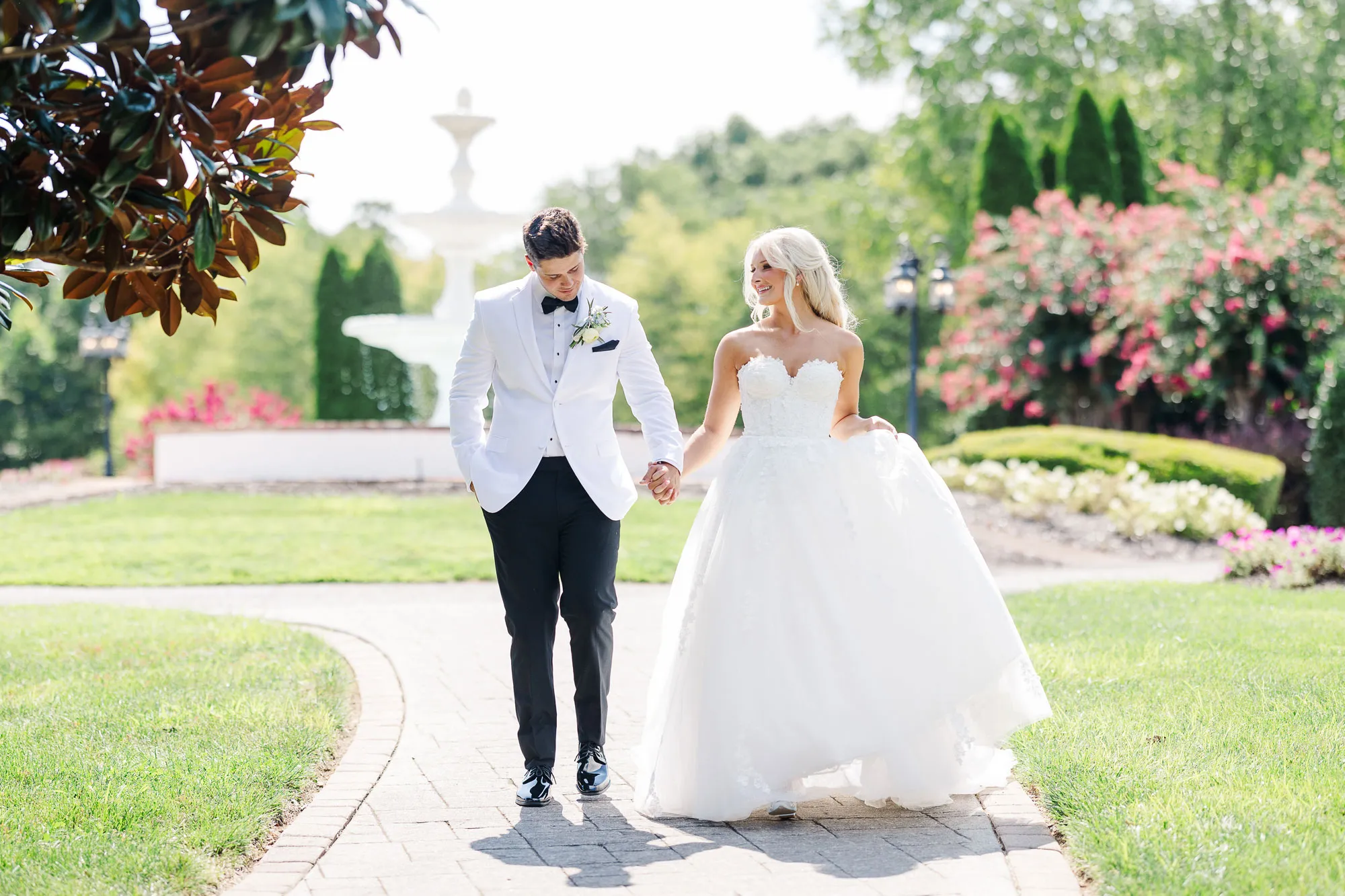
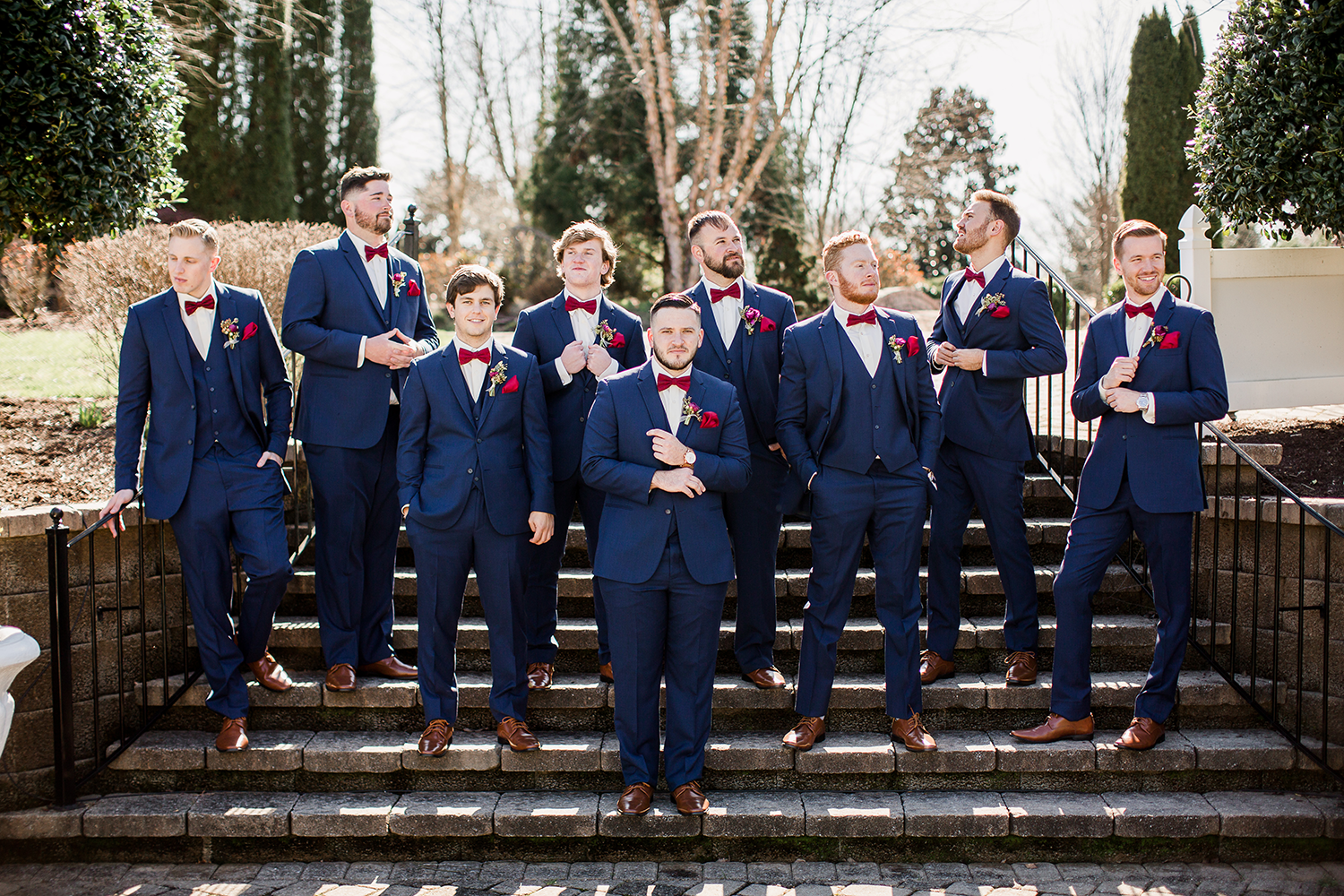
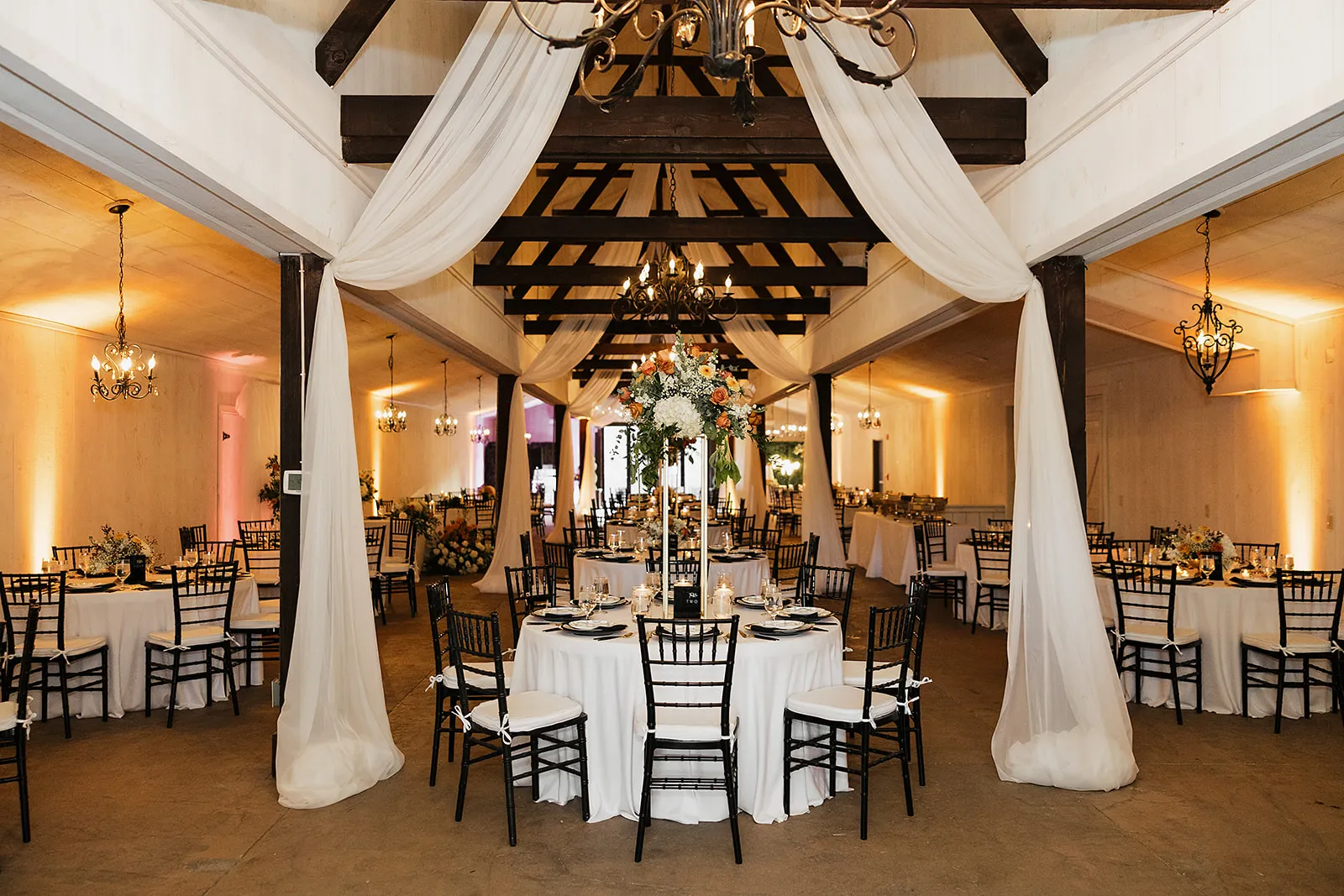
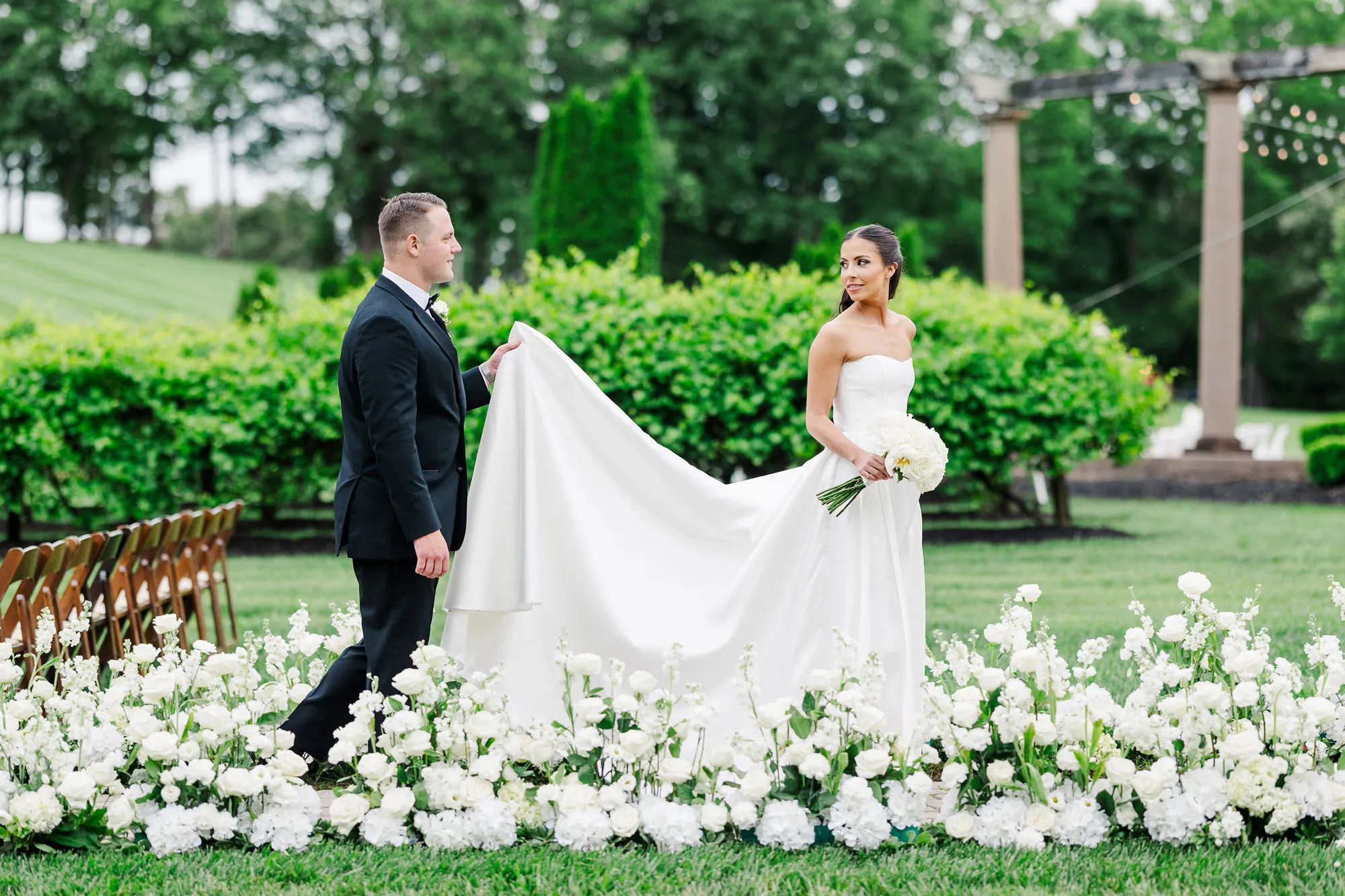
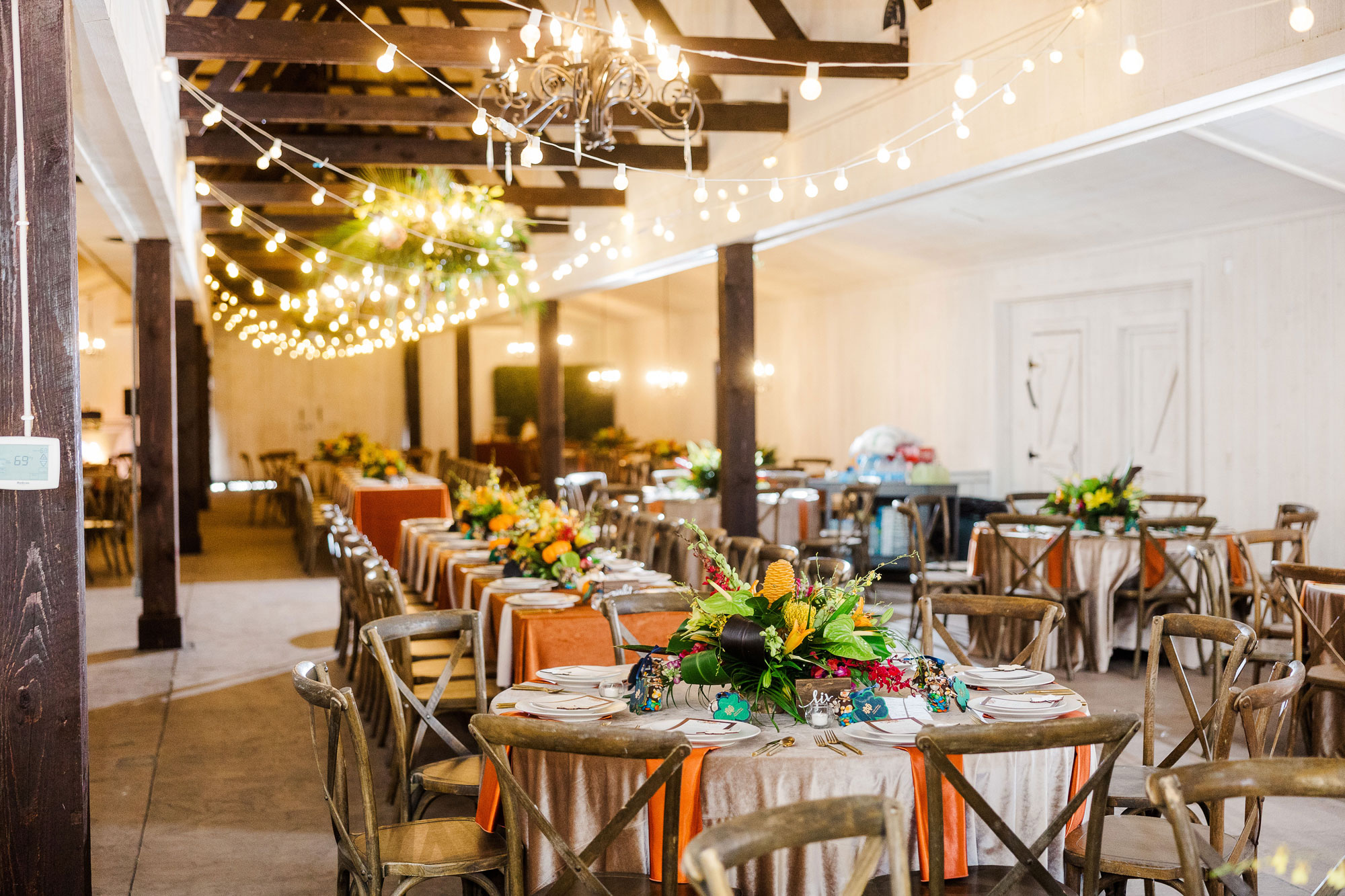
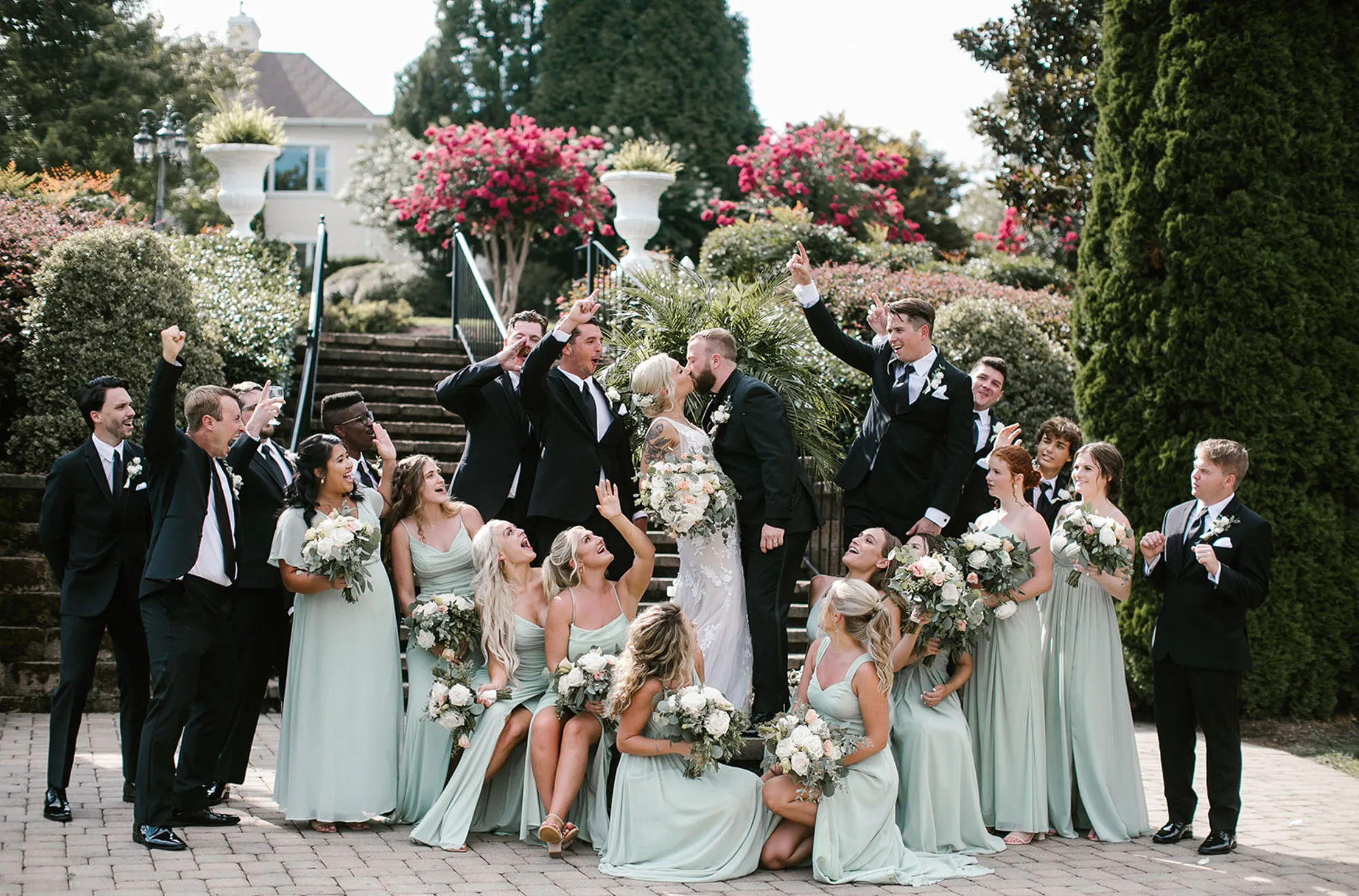
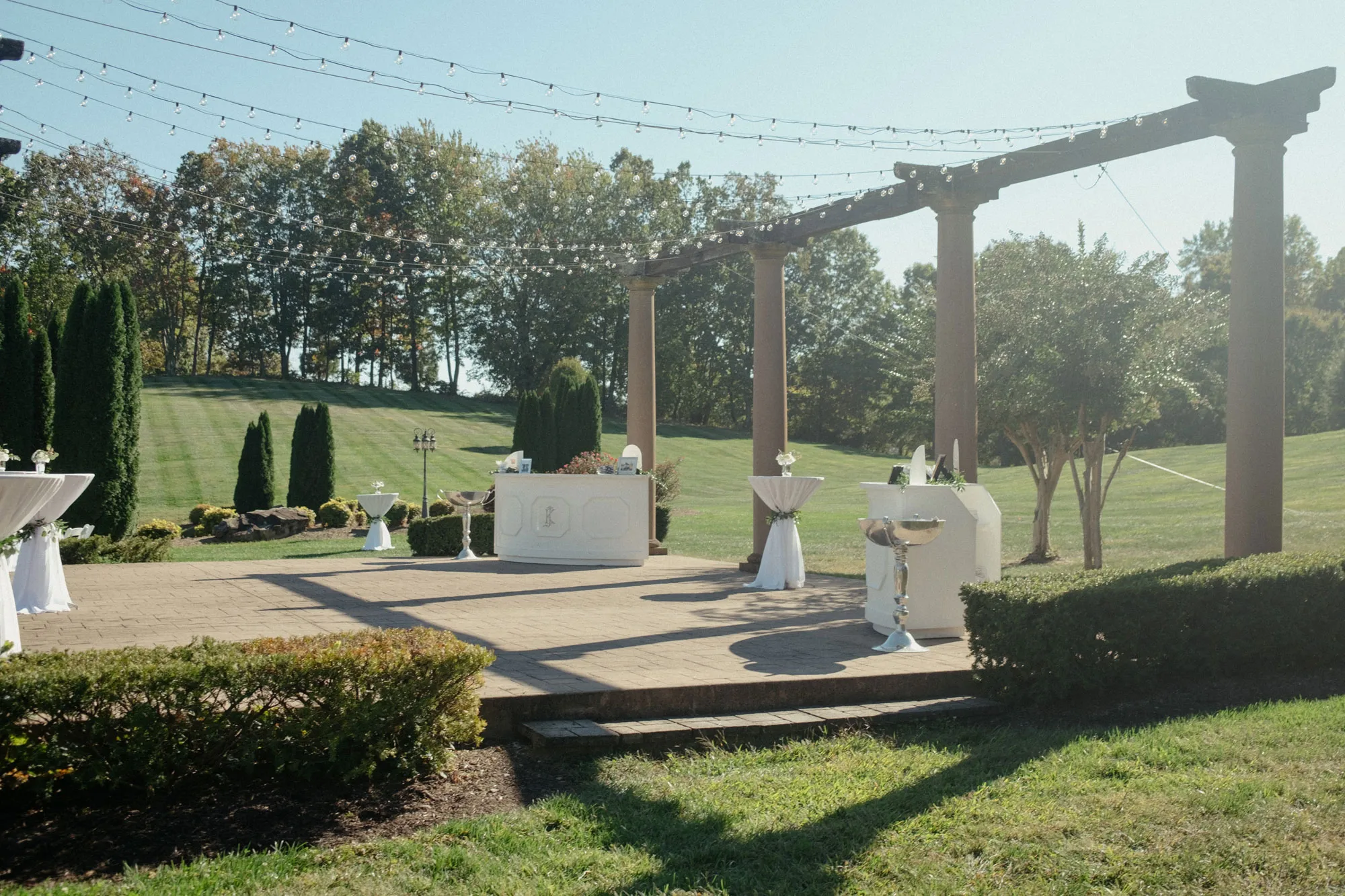
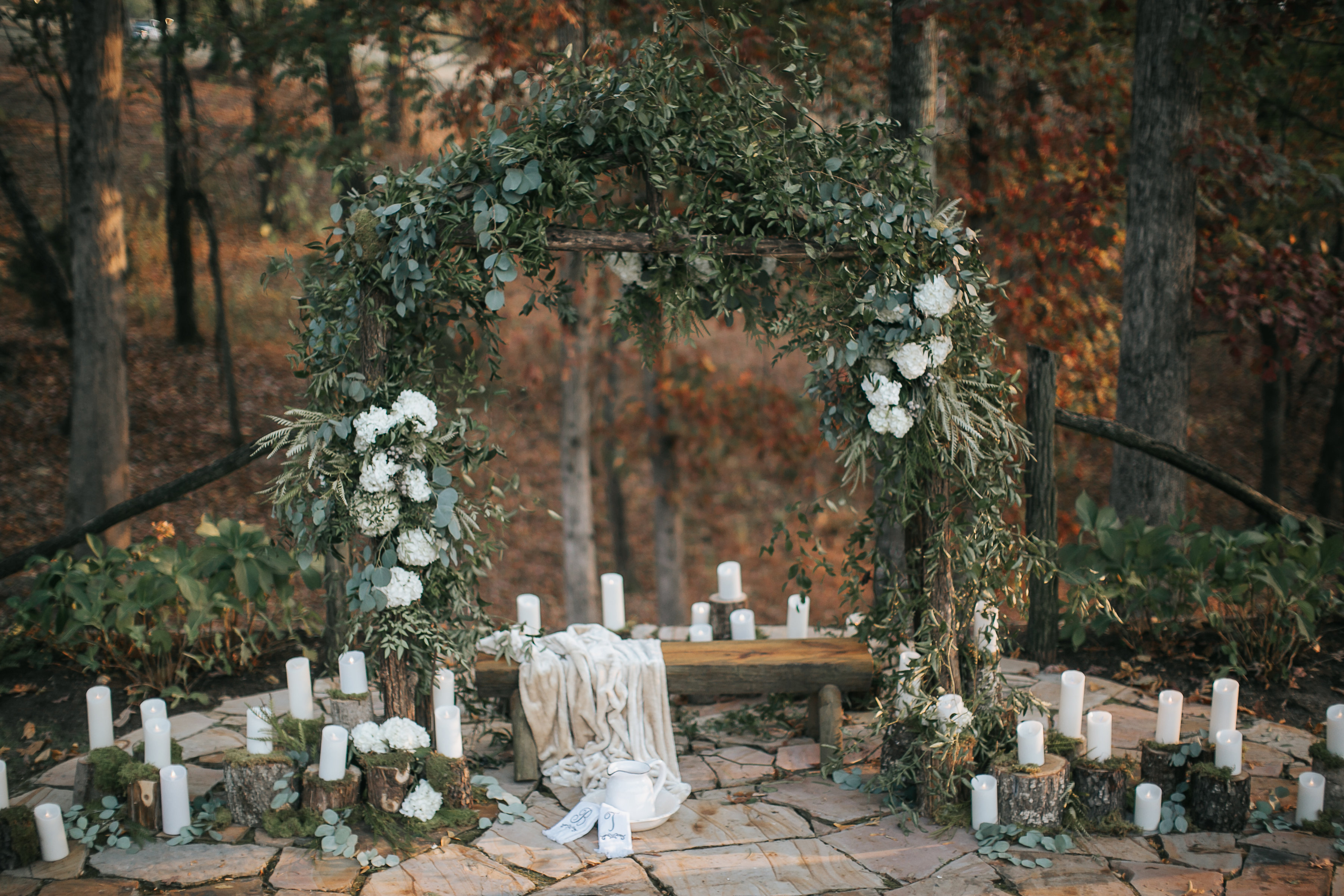
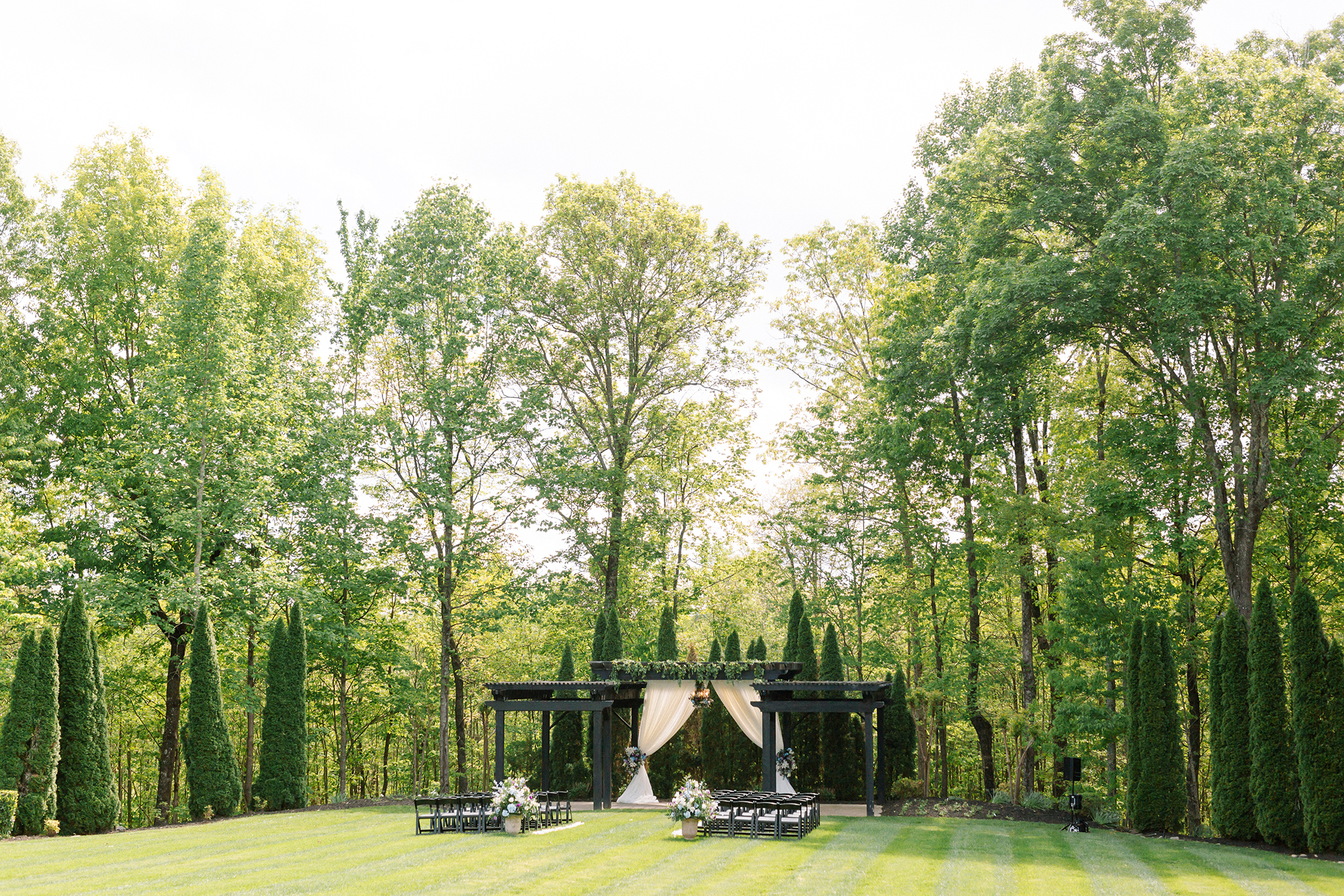
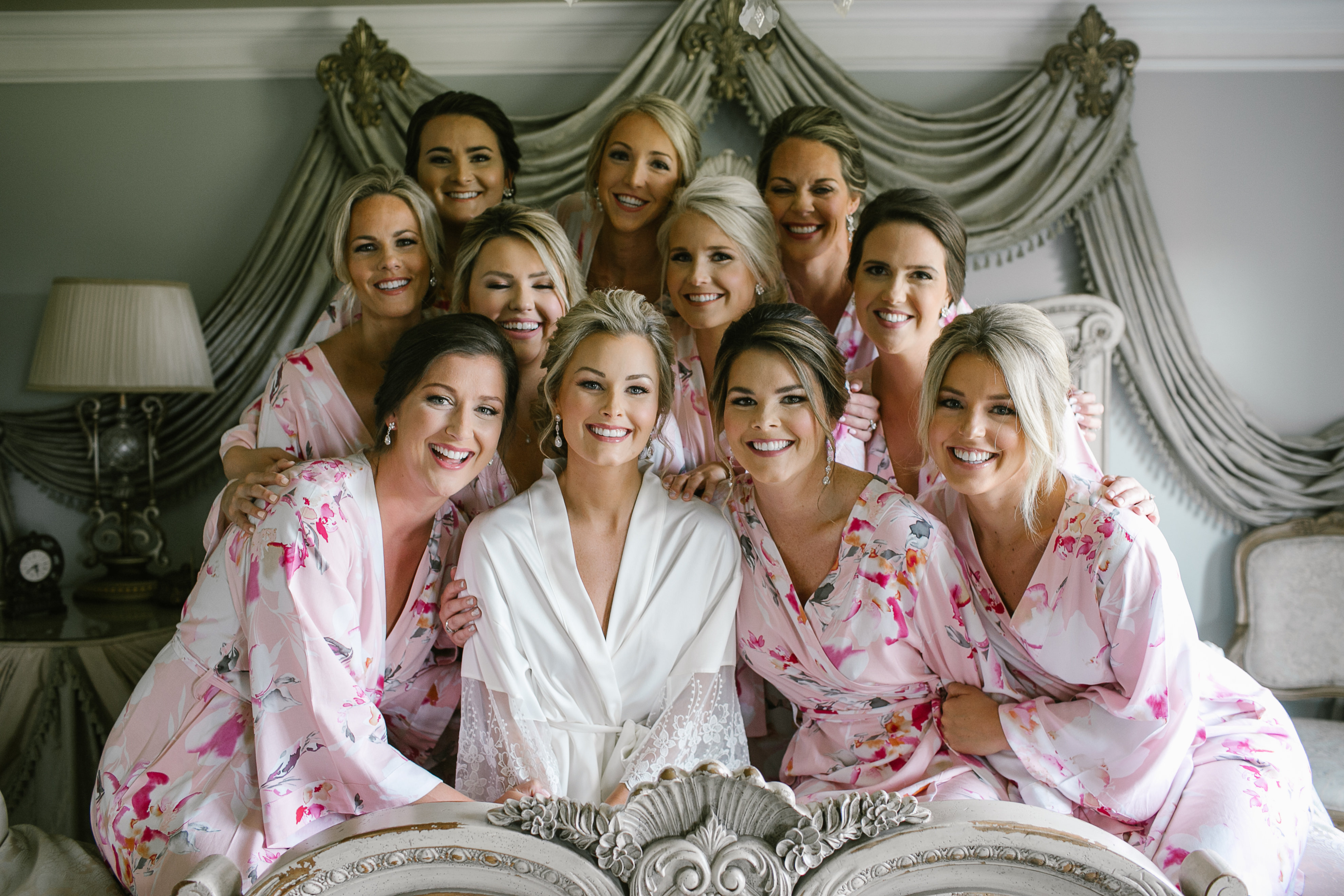
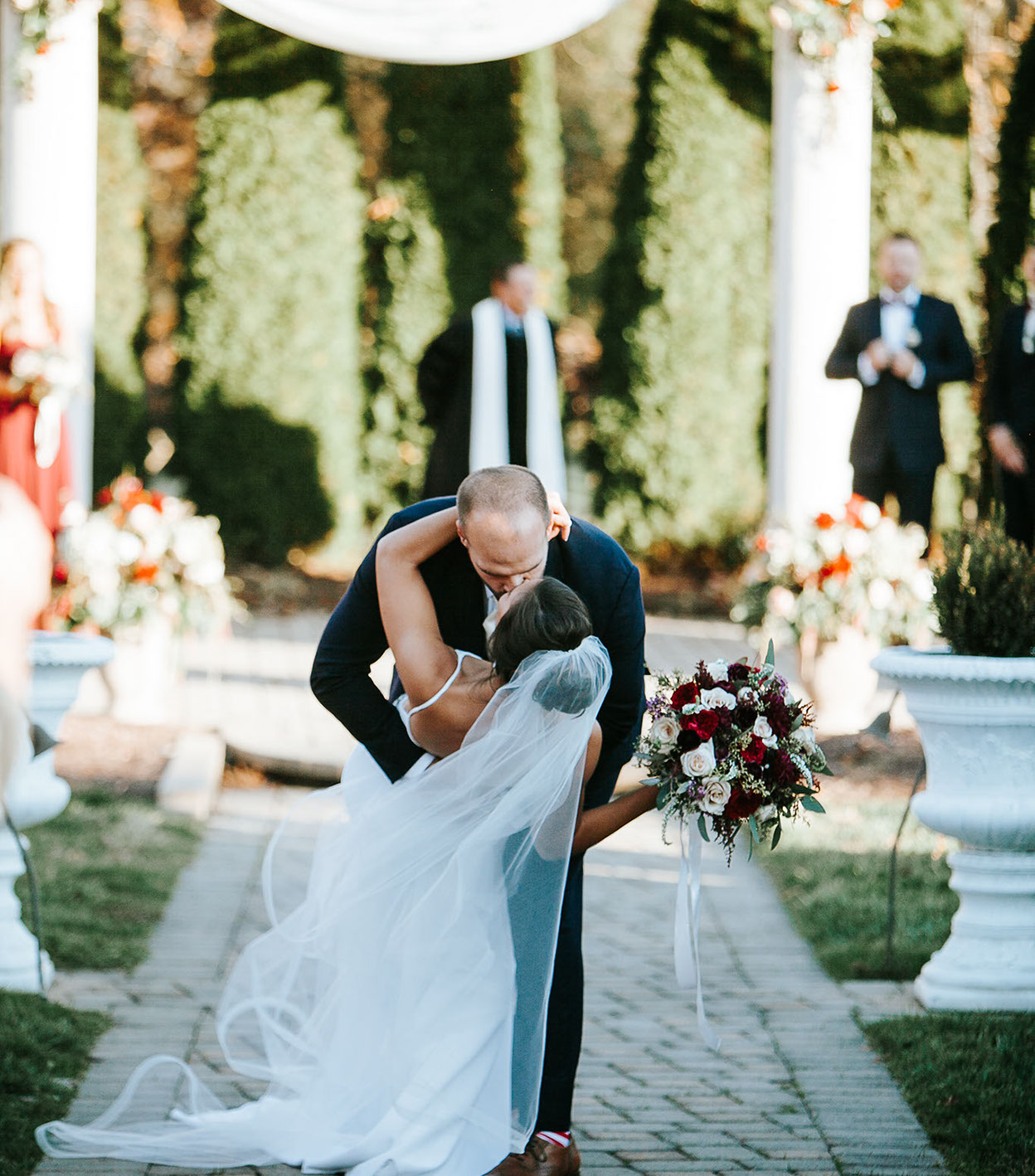
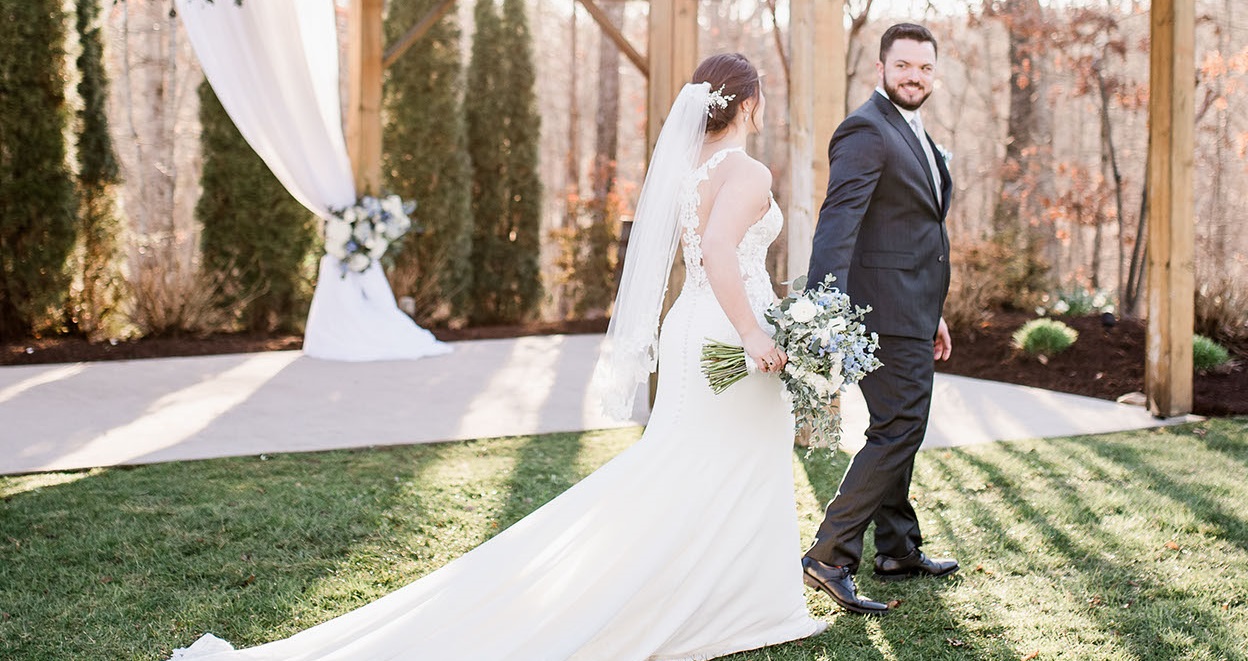
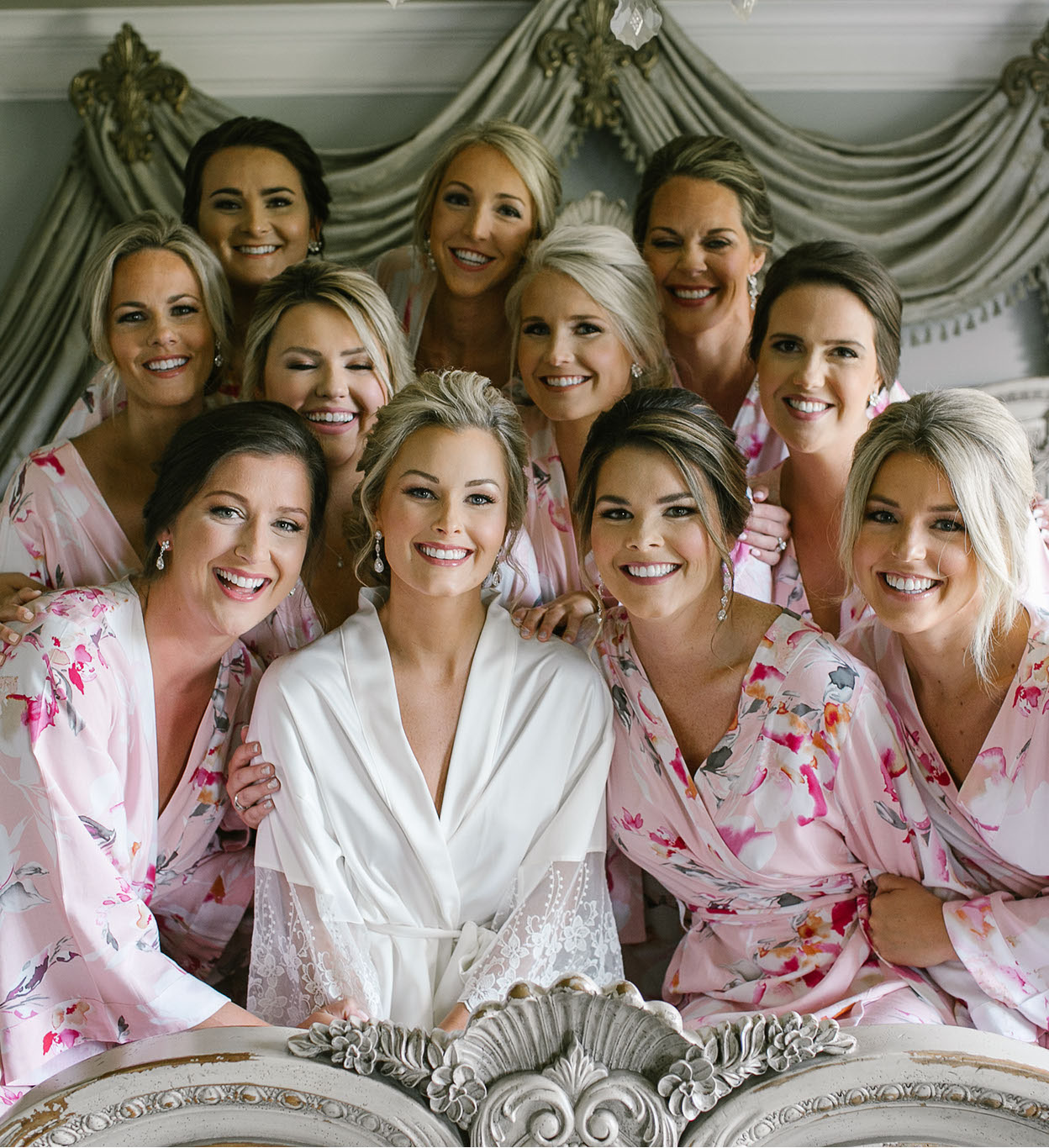
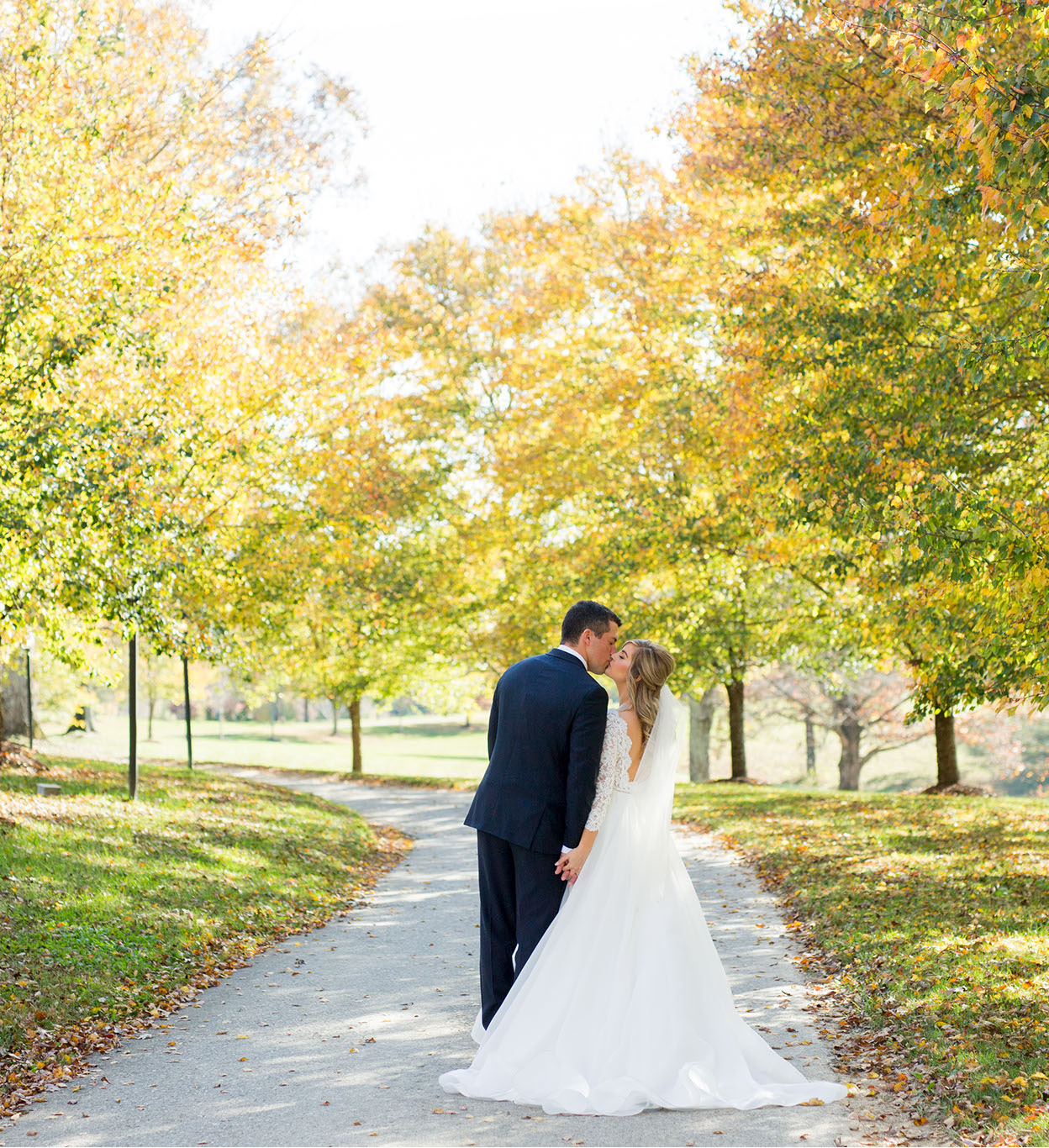
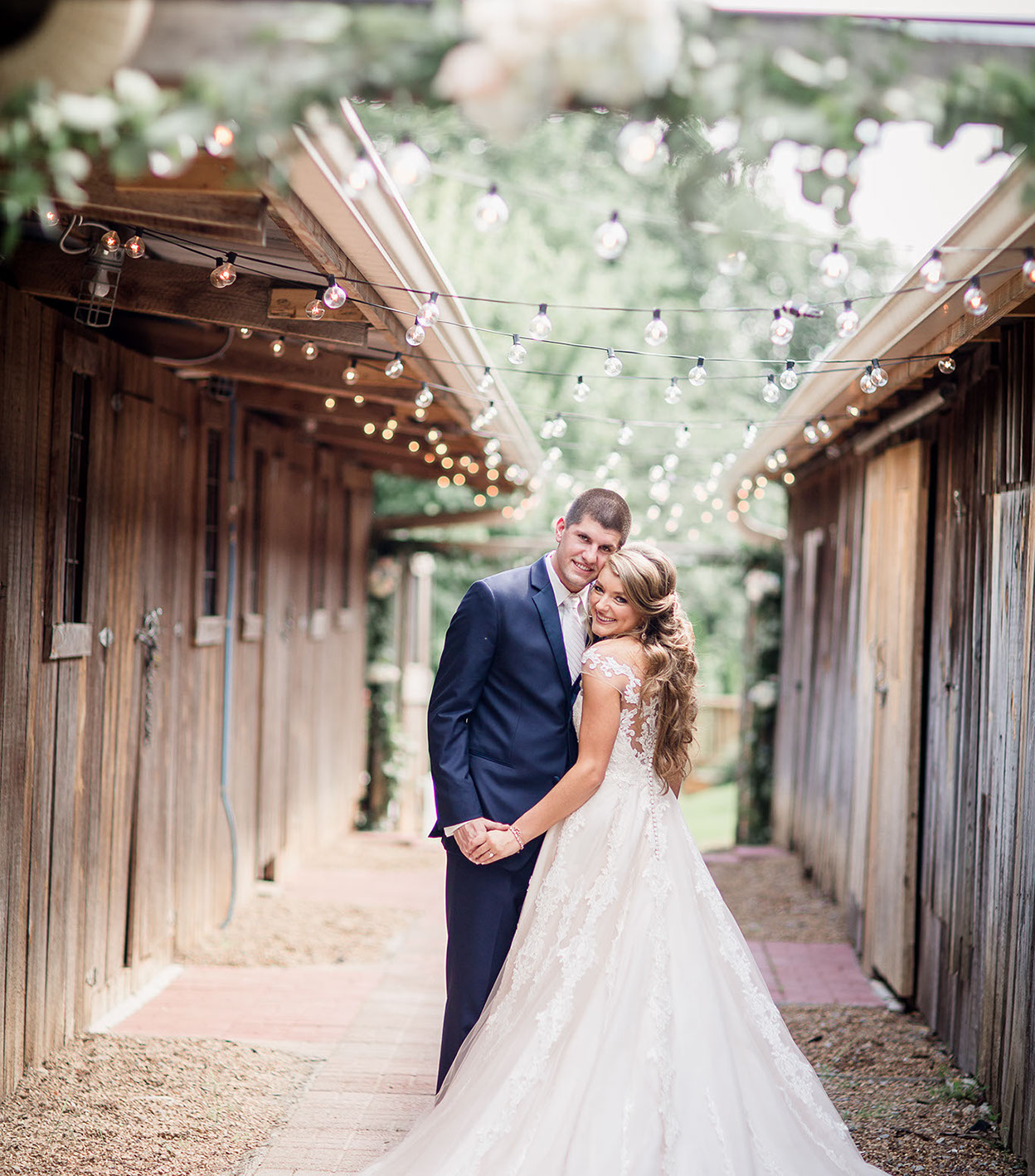
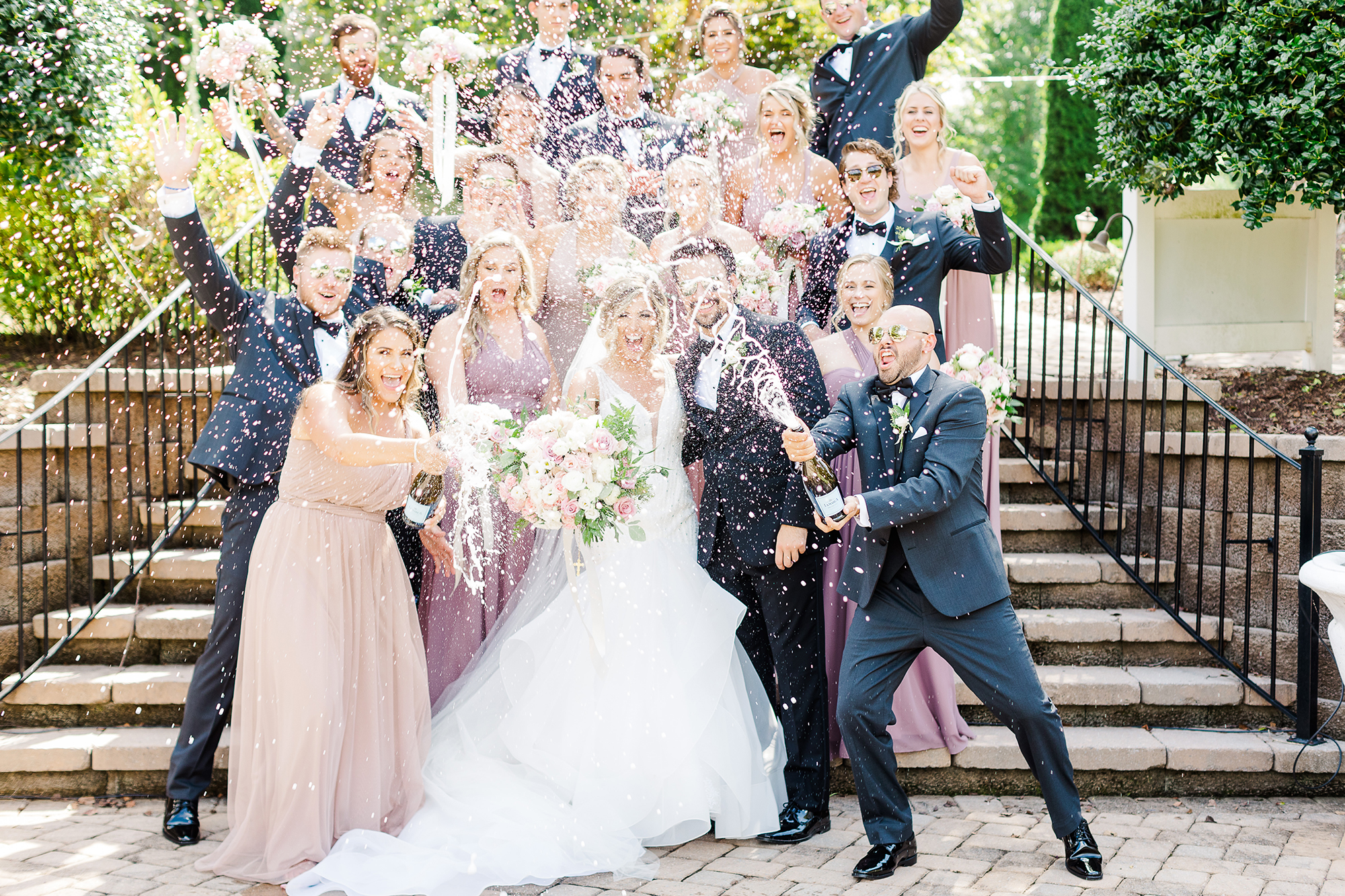
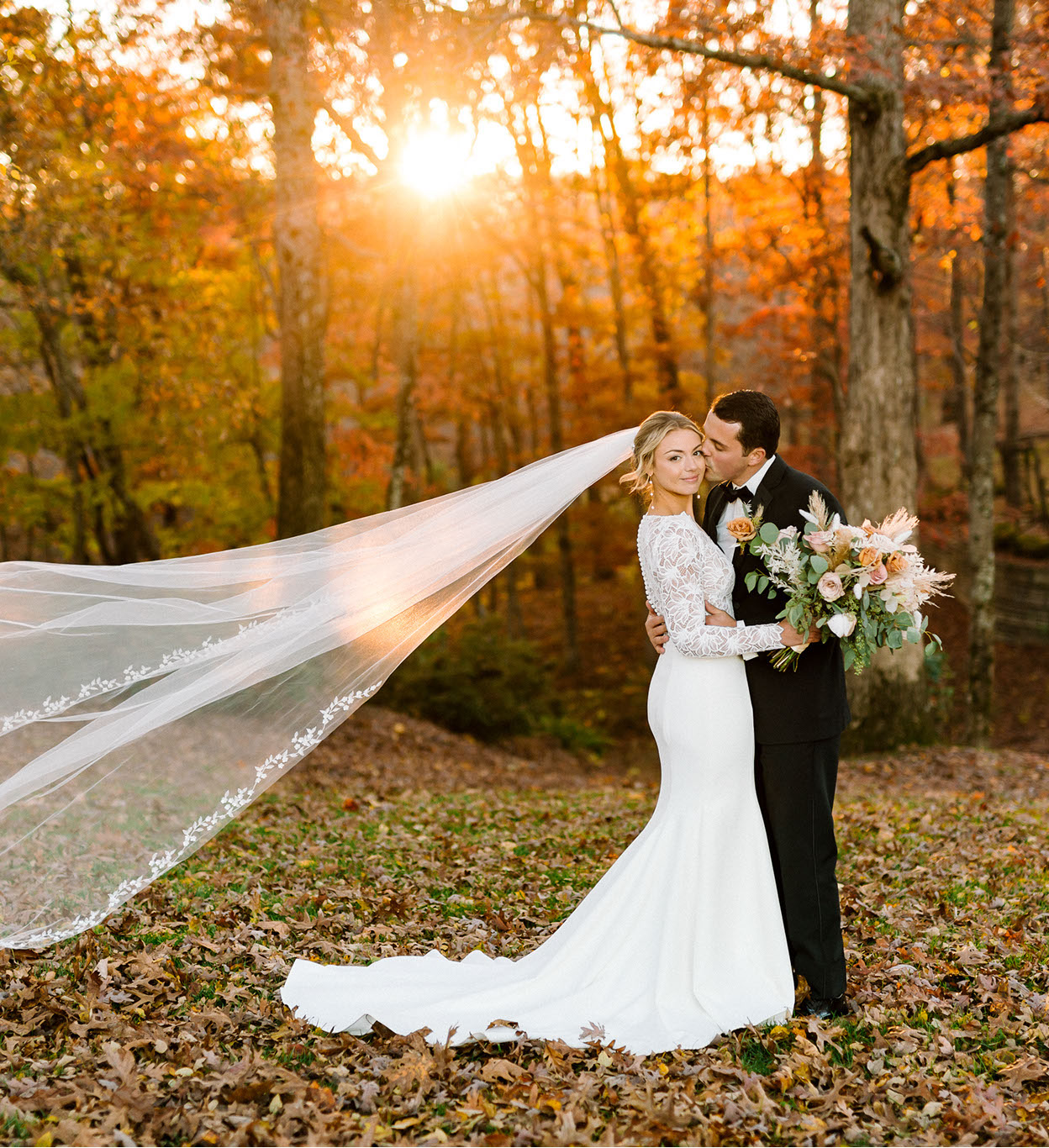
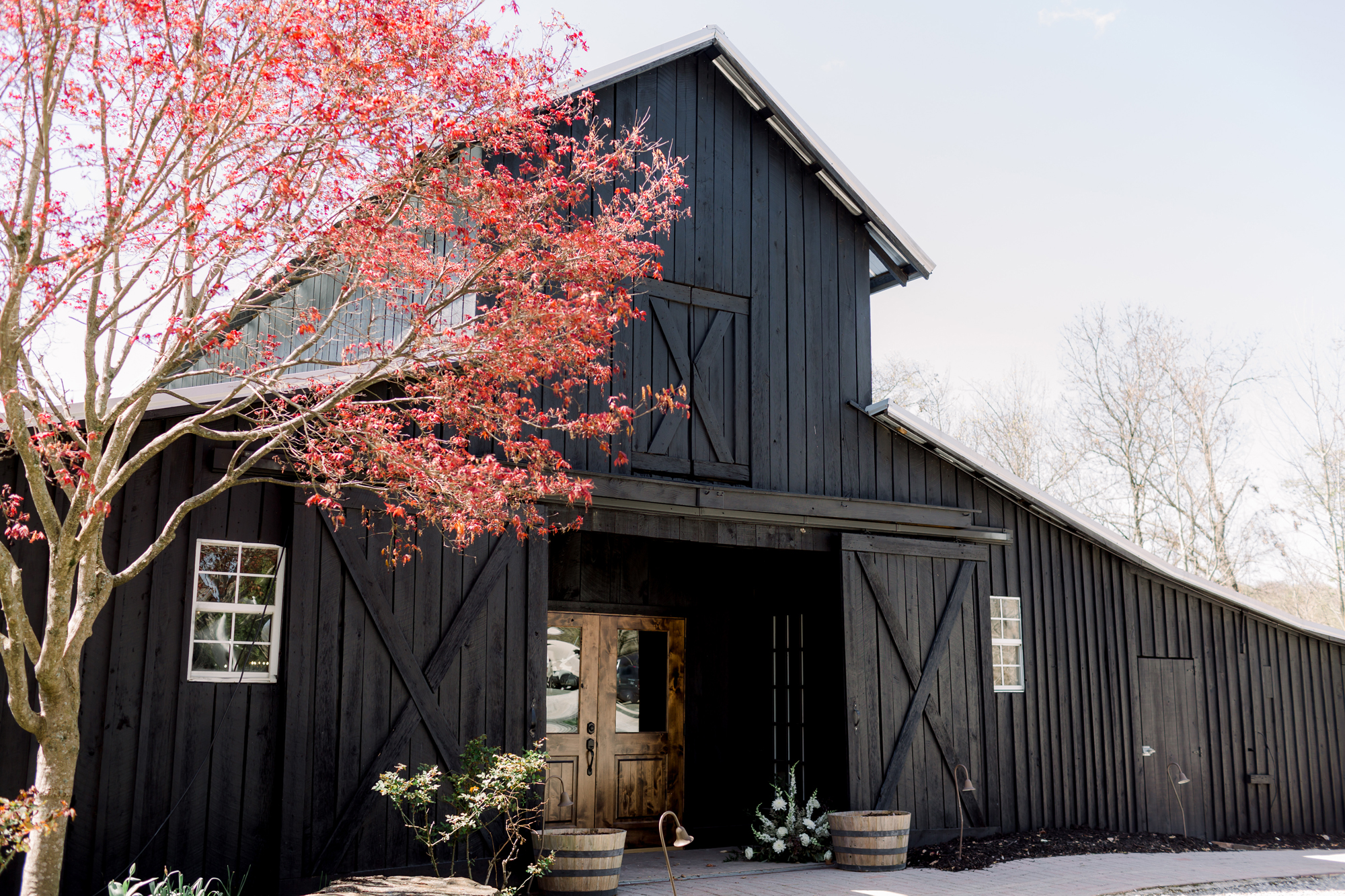
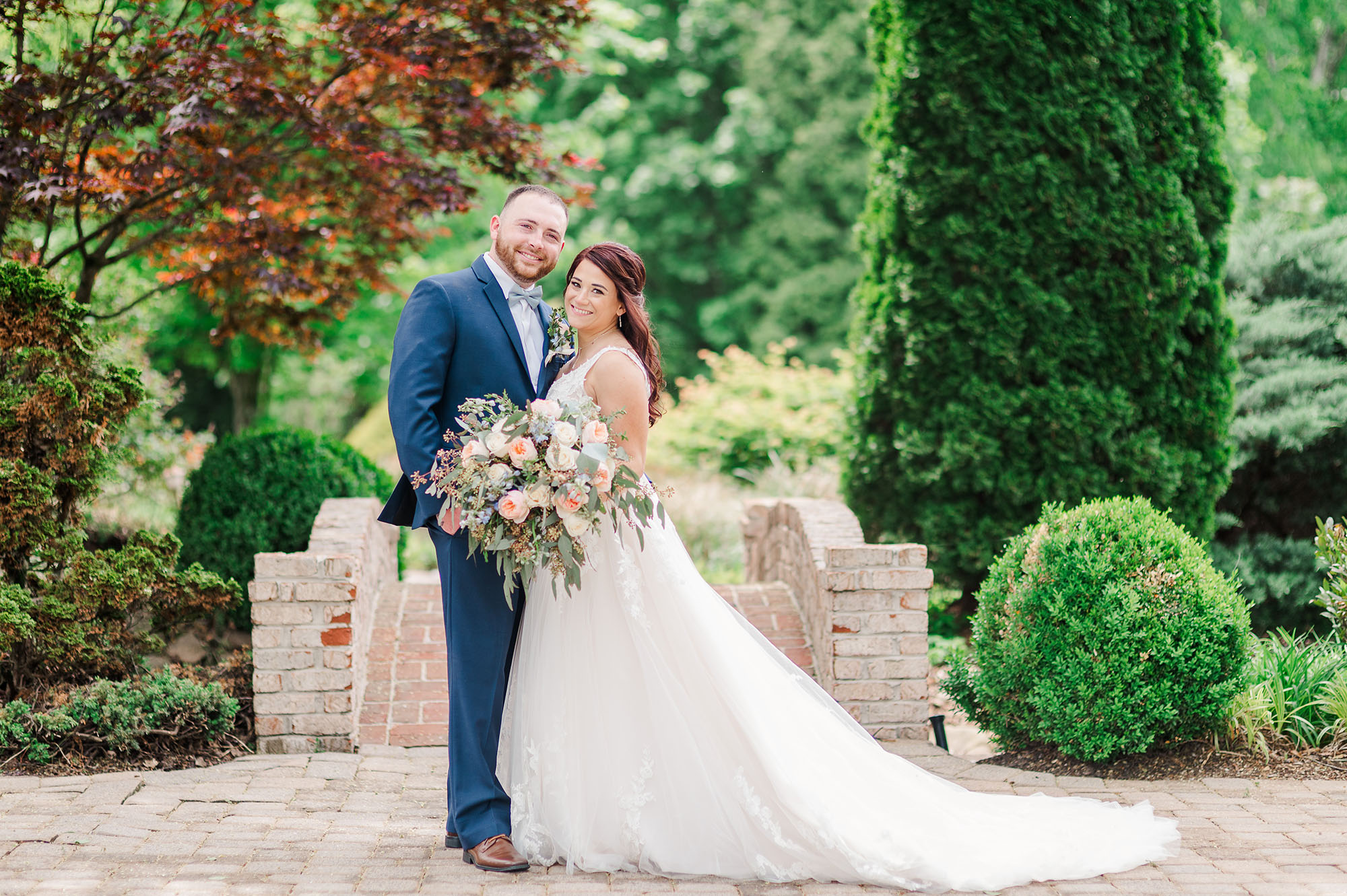
Your wedding venue is not just a backdrop. It is a living, breathing part of your story. The light that filters through the trees at golden hour, the texture of a stone wall, the way candlelight bounces off a chandelier, the depth of a garden that stretches further than a camera can reach. These are the details that make your venue yours, and they are the details that most photographers miss entirely.
Choosing a wedding photographer is one of the most consequential decisions in your planning process. It is also one of the most misunderstood. Couples spend weeks comparing filter styles and Instagram feeds without ever asking the question that matters most: does this photographer actually know how to work with a venue like ours?
This guide walks you through exactly how to answer that question, and how to find a photographer who will deliver images that feel as extraordinary as the day itself.
Most couples start their photographer search the wrong way. They fall in love with a style, save a gallery, book a name, and then hope it all translates. Sometimes it does. Often it does not.
The issue is that photography style is only one variable. The other variable, the one that determines whether your images feel alive or flat, is whether the photographer understands how to read and respond to your specific environment.
Different venue types present completely different photographic challenges. A grand estate with mature trees, multiple architectural spaces, and a lake or pond requires a different sensibility than a downtown rooftop or a mountain overlook. The light behaves differently. The movement of guests through the space is different. The best portrait locations are rarely obvious to someone who has never shot there before.
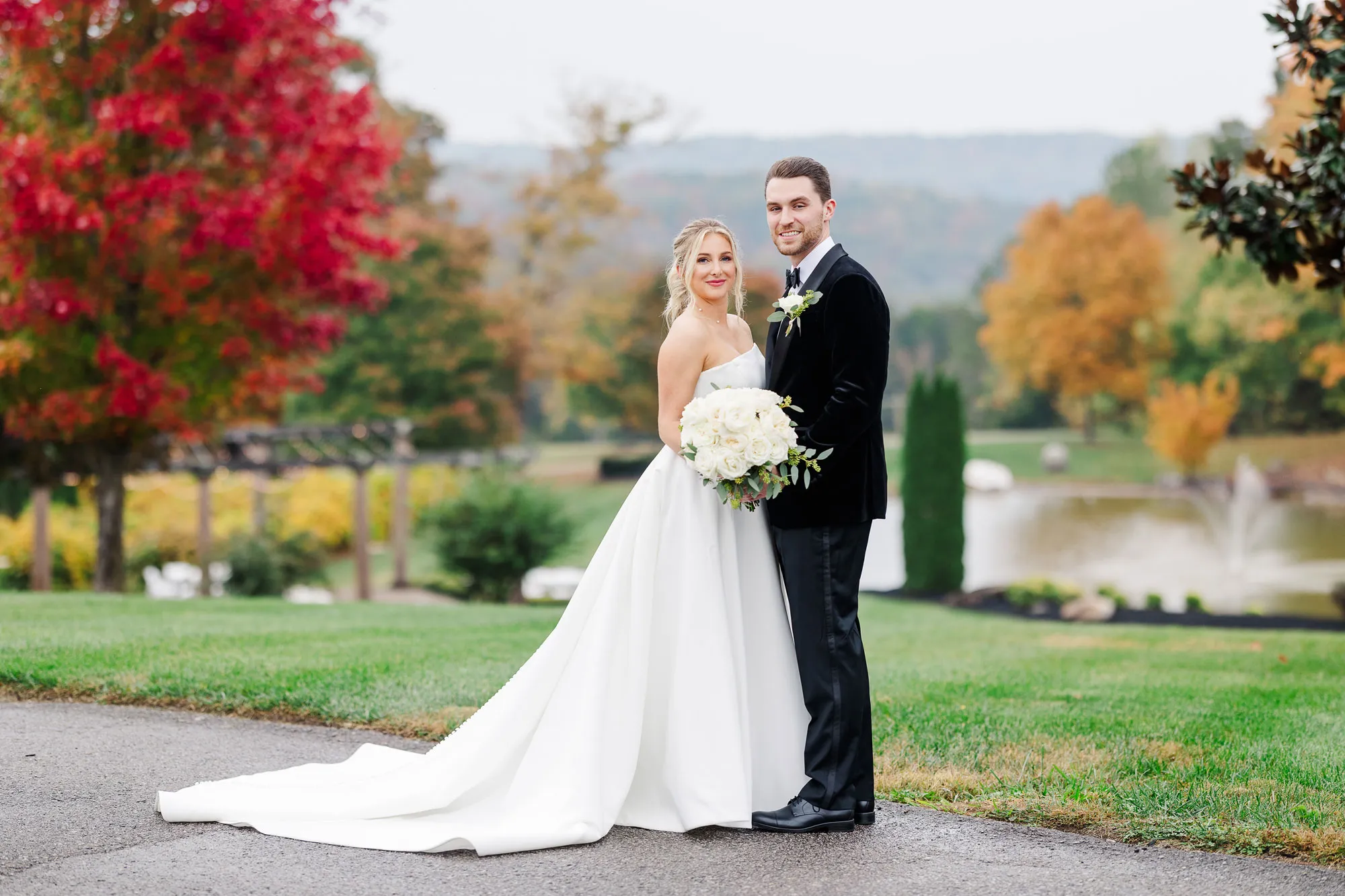
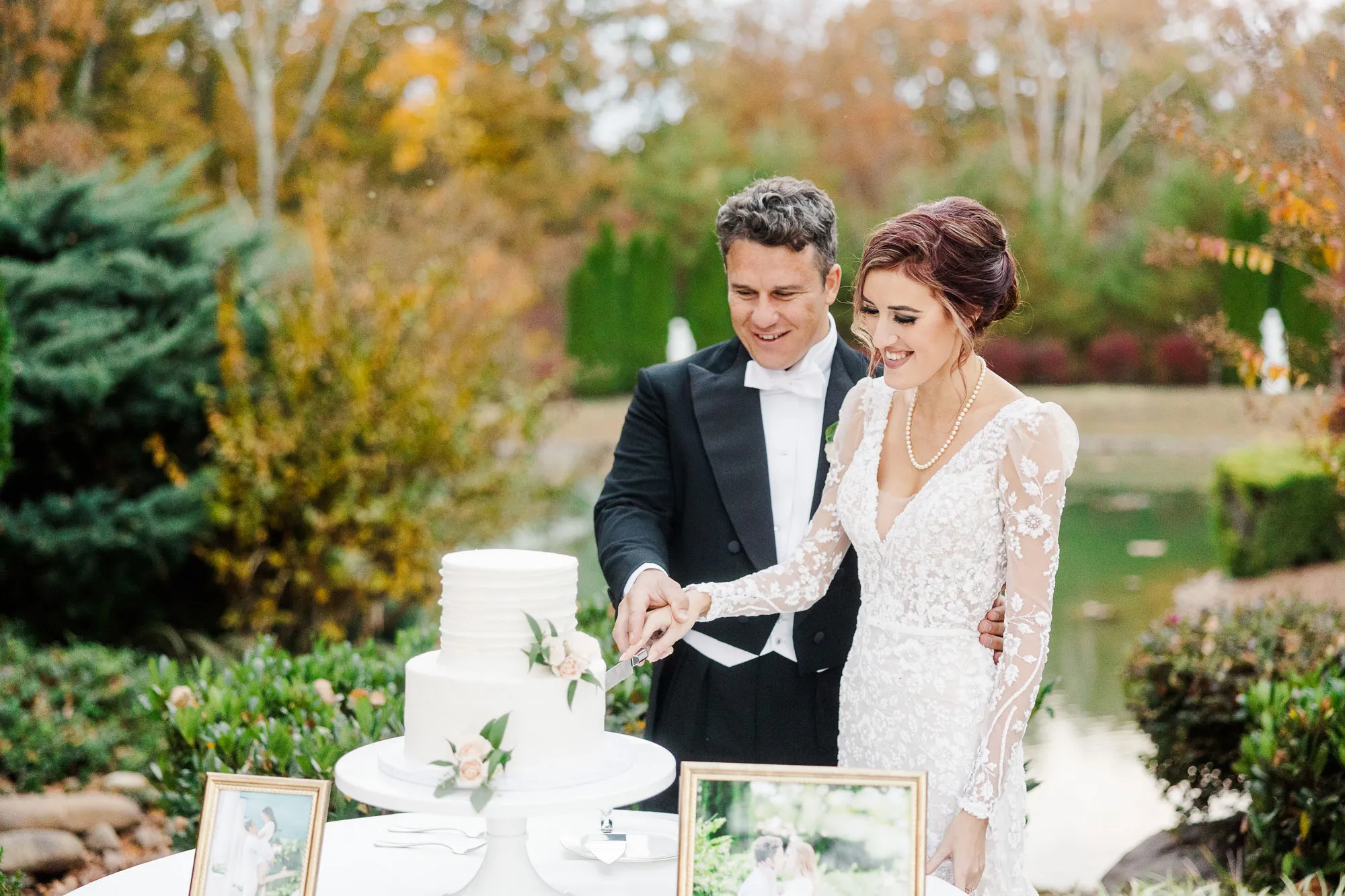
This is why scenic venues create the best wedding photo backdrops when they are paired with a photographer who takes the time to understand the property before the wedding day. Without that preparation, even the most stunning estate can produce forgettable images.
Venue character is the sum of everything a space communicates without words. It includes:
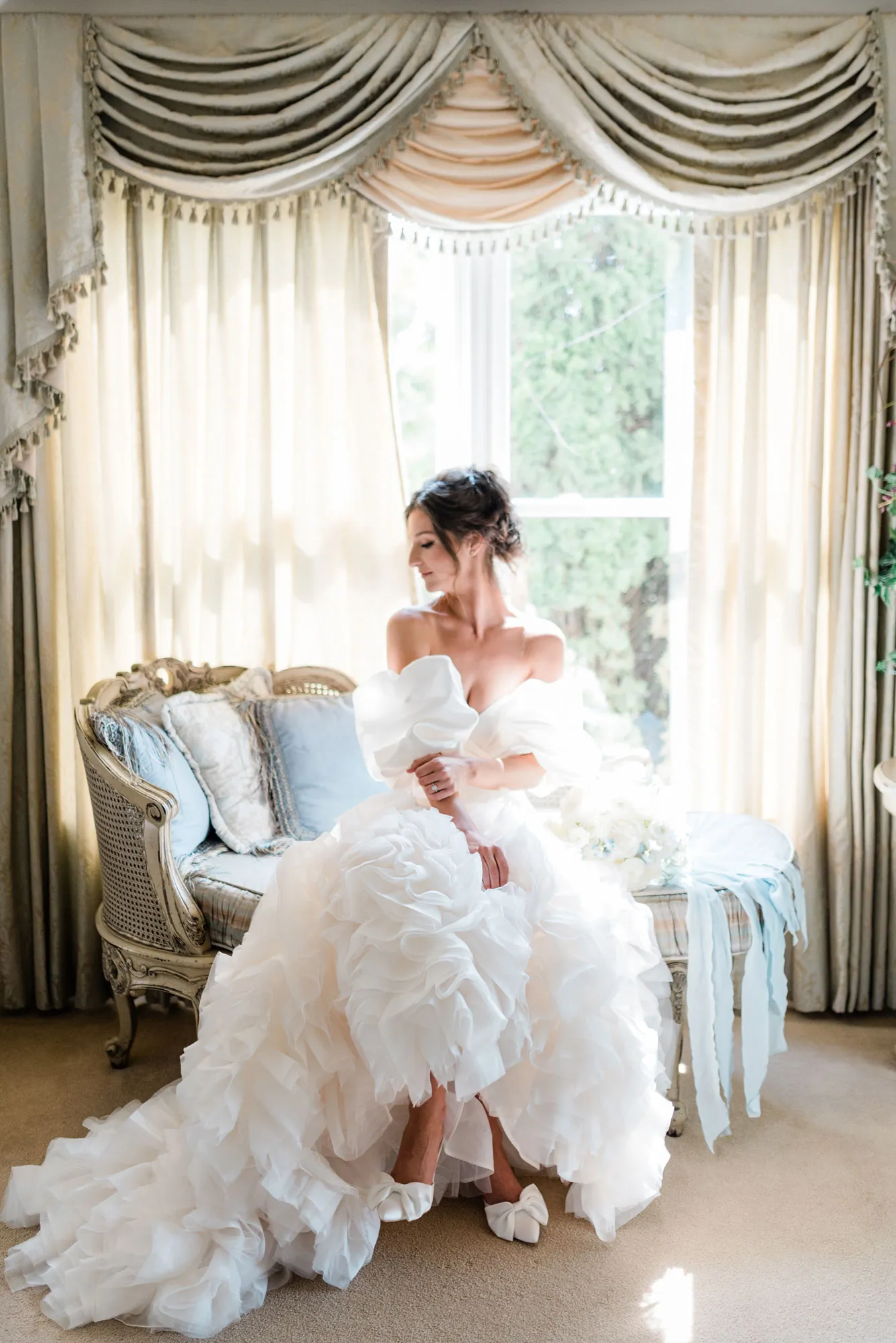
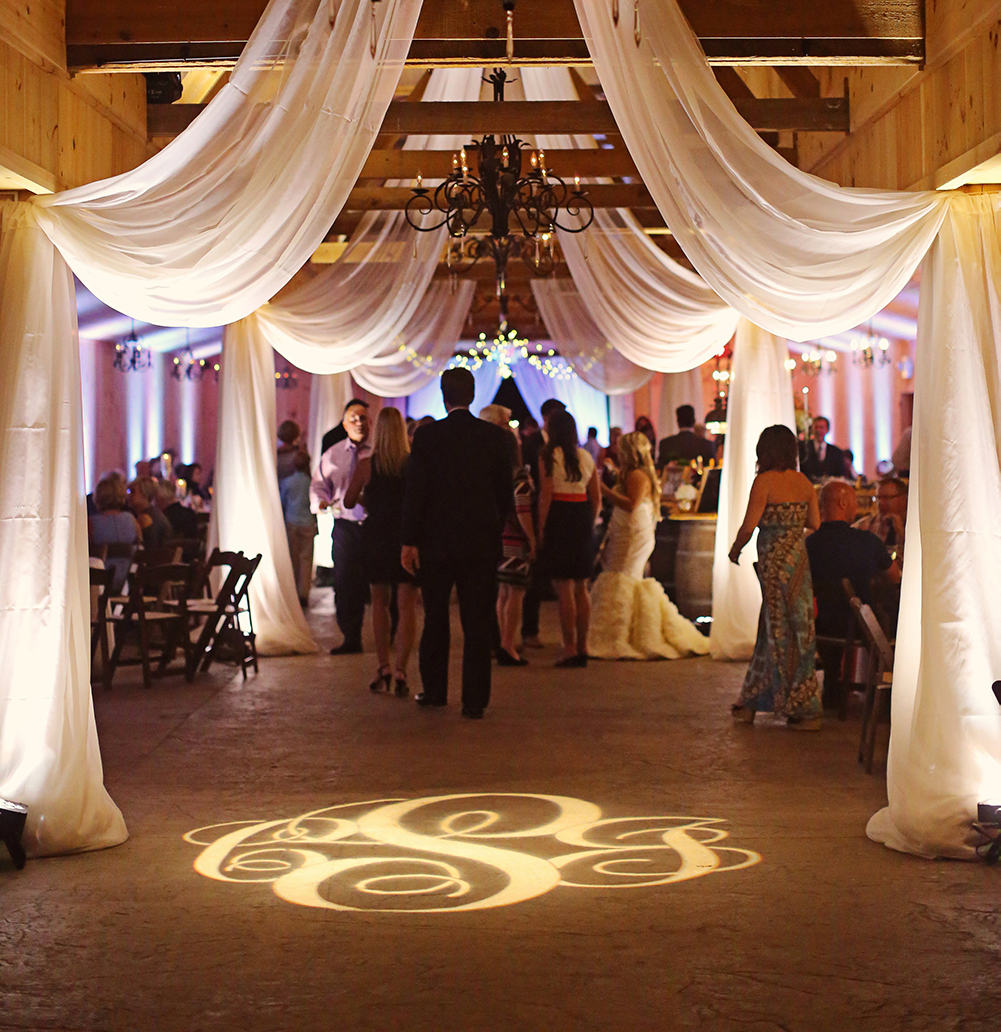
Light. Every venue has a dominant light source and a quality of light that shifts throughout the day. An open garden venue has harsh midday light and beautiful directional light in late afternoon. A wooded ceremony space may be dappled and moody all day. An indoor ballroom has warm tungsten light that requires completely different exposure settings than a sun-drenched terrace. A photographer who has never considered how your venue's light behaves will spend your wedding day reacting instead of anticipating.
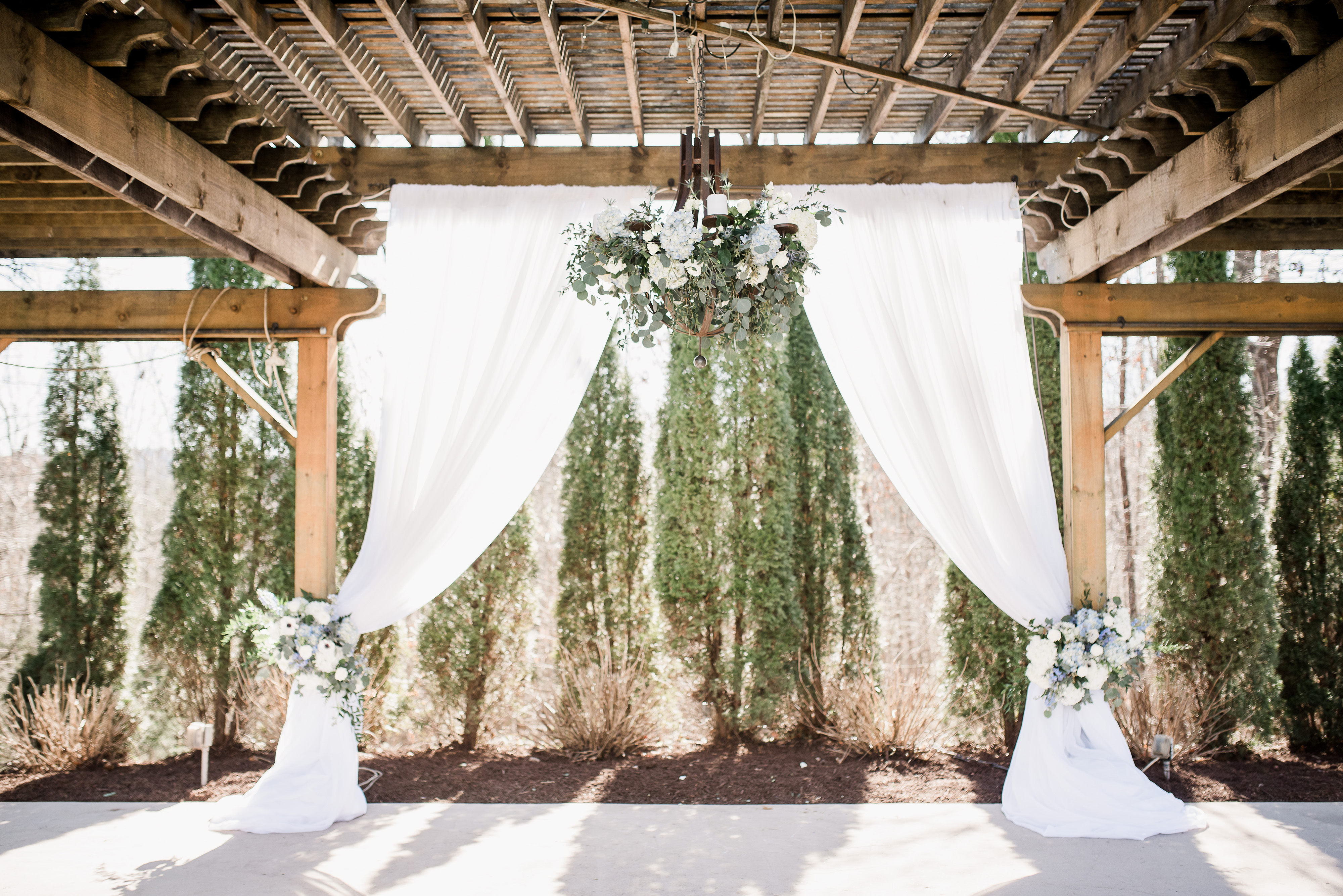
Texture and architecture. Stone, brick, wood, wrought iron, climbing vines, white columns, lanterns, chandeliers in the trees. These are compositional anchors. A skilled photographer sees them as framing tools. An unprepared photographer walks past them.
Scale and depth. Some venues are intimate. Others have visual depth that rewards wide compositions. Estate venues with long driveways, formal gardens, vineyard rows, or open meadows offer layers that can make a single image feel cinematic. That depth only shows up in images when a photographer knows how to use it.
Transition spaces. The bridal suite hallway. The path from the ceremony to the reception. The carriage house entrance. The dock by the pond. These in-between moments are often where the most emotional, candid photographs happen. A photographer who has mapped the venue beforehand knows to position themselves there. One who has not will be scrambling to keep up.
When you review a photographer's portfolio, you are not just looking at their images. You are looking at their range of environments and how they performed in each one.
Ask yourself these questions when reviewing any photographer's work:
That last question is the most important one. When a photographer truly understands a venue, their images are inseparable from it. The location is not a prop. It is a participant in the story.
If every gallery in a photographer's portfolio could have been shot on a neutral backdrop, that tells you something. It tells you they are composing images in spite of their environment, not because of it.
Your photographer consultation is an interview, not a sales call. You are evaluating whether this person is the right technical and creative match for your specific venue. Here are the questions that will tell you what you need to know.
Have you shot at my venue before?
This is the starting point, not the ending point. A yes is encouraging but does not automatically qualify them. A no is not disqualifying either. What matters is what comes next: have they toured the venue, reviewed a venue gallery, or planned a scout visit?
If you have not shot there, how do you prepare for a new venue?
The answer should involve more than a quick Google search. Look for answers that mention a venue tour or site visit, studying the sun angle and light direction at different times of day, conversations with the venue coordinator about layout and timing, and having a shortlist of portrait locations planned before the day begins.
How do you handle the transition between ceremony and reception coverage?
This question reveals whether they understand how a venue flows. A strong answer reflects awareness of the specific spaces at your venue, the path guests take, and how they will position themselves to capture candid moments during transitions without missing key posed shots.
What do you do when the light is not cooperating?
Every outdoor venue has problem light at certain times of day. Harsh midday sun, thick cloud cover, or late-season low light are all common challenges. A photographer who can describe specific techniques they use at outdoor estate venues to manage difficult light is a photographer who has been there before.
Can you walk me through how you would structure the portrait session at our venue?
Ask them to describe how they would use your specific spaces. If they can speak to the venue's unique features with any specificity, even from research rather than firsthand experience, that tells you they approach each wedding as its own project rather than a template.
One of the best things you can do for your wedding photography is to schedule a venue tour with your photographer before the wedding day. Not every photographer offers this, but many will if you ask. If yours does not, it is worth asking whether they can at least review a detailed venue map and photo gallery with you over video call.
The goal of the tour is to walk the property together and identify:
Before any venue visit, it is worth doing your research on what to expect from the property. The questions you ask the venue are equally important. Knowing what to ask on your wedding venue tour before you arrive ensures you are gathering the right information to share with your photographer afterward.
One of the most underappreciated decisions in wedding photography is timing. When your ceremony starts determines everything that follows: what light is available for portraits, whether golden hour aligns with your couple session, and how much of your reception your photographer can cover before their contracted hours end.
The ceremony start time you choose in your wedding day timeline should be made in direct conversation with your photographer, not after the fact. A photographer who works regularly with estate and garden venues will tell you that a 4:30 to 5:00 PM ceremony in spring or fall typically places golden hour during cocktail hour, which creates a natural 20 to 30-minute window for couple portraits in the best possible light. Shift the ceremony an hour earlier without that conversation and you may spend your portrait session in harsh midday light with no flattering shadow structure.
This coordination is not optional. It is one of the clearest ways you can actively improve the quality of your images before the day even begins.
Wedding photography style categories, fine art, photojournalistic, editorial, lifestyle, are marketing language as much as they are technical descriptions. Two photographers can both call themselves "fine art" and produce images that look nothing alike. Two photographers can both be "photojournalistic" but have wildly different abilities to compose in a complex venue environment.
When you are evaluating style, look past the labels and focus on specifics:
Color treatment. Warm and golden, cool and moody, true to life. Which matches your venue's palette and your personal preference?
Posing approach. Do the couples in the portfolio look directed or natural? Are they interacting with each other or staring at the camera? Which do you want?
Compositional instincts. Do images use the venue's architecture as framing? Are there foreground elements, layers, and depth? Or is the couple centered in every frame against a blurred background?
Editing consistency. Does the whole gallery feel cohesive, or do images shift dramatically in tone and exposure from one to the next?
These are the questions that reveal craft, not category. And craft is what determines whether your images age well.
The best photographs of your wedding day will not come from a photographer who shows up and shoots what they see. They will come from a photographer who understood your vision weeks in advance and built their creative approach around it.
That conversation starts before the booking. Share your inspiration images. Describe the feeling you want: romantic and soft, bold and dramatic, intimate and raw. Talk about which moments matter most to you: the first look, the toasts, the dance floor at the end of the night, the quiet moments between the ceremony and reception.
Then, share your venue's story. When you work with your venue to turn your venue into a personalized reflection of your love story, the details you choose, the florals, the lighting, the decor, the table settings, become visual content your photographer can use. A photographer who understands the full picture of what you have designed can anticipate moments rather than stumble across them.
This is the part nobody tells you in a photographer guide, and it matters more than most couples expect. How you feel on your wedding day shows up in every photograph.
If you are exhausted from a chaotic week, that tension lives in your shoulders and your face. If you are relaxed, present, and physically at your best, that shows too. The preparation you do in the days leading up to the wedding, including sleep, nutrition, movement, and intentional calm, directly affects how you look and feel on camera. A thoughtful bride's self-care timeline before the wedding is as much a photography decision as it is a wellness one.
Beyond the physical, there is the emotional layer. Couples who have taken time to be present with each other in the days before the wedding, not rushing through last-minute logistics but genuinely connecting, carry that ease into the day. That ease photographs differently than stress does. Every experienced photographer will tell you the same thing: the most beautiful images come from couples who are genuinely in the moment, not performing for the camera.
Before you book any photographer, review the contract carefully for these specifics:
Your venue, your photographer, and your timeline are not three separate decisions. They are a single creative system. When they are chosen in coordination with each other, they produce images that feel inevitable, as if no other photographer could have captured that venue in that light on that day in quite that way.
The couples who walk away with photographs they genuinely love are the ones who treated the photographer selection as a venue-specific decision, not a general one. They chose someone who had studied the space, understood the light, communicated with the venue team, and approached the day as a creative partner rather than a hired vendor.
If you are planning a wedding at a private estate and want a team that understands how to coordinate every element of the day for maximum impact, including how your photography fits into the full experience, explore the full-service wedding experience at Castleton Estates and reach out to schedule your private tour.