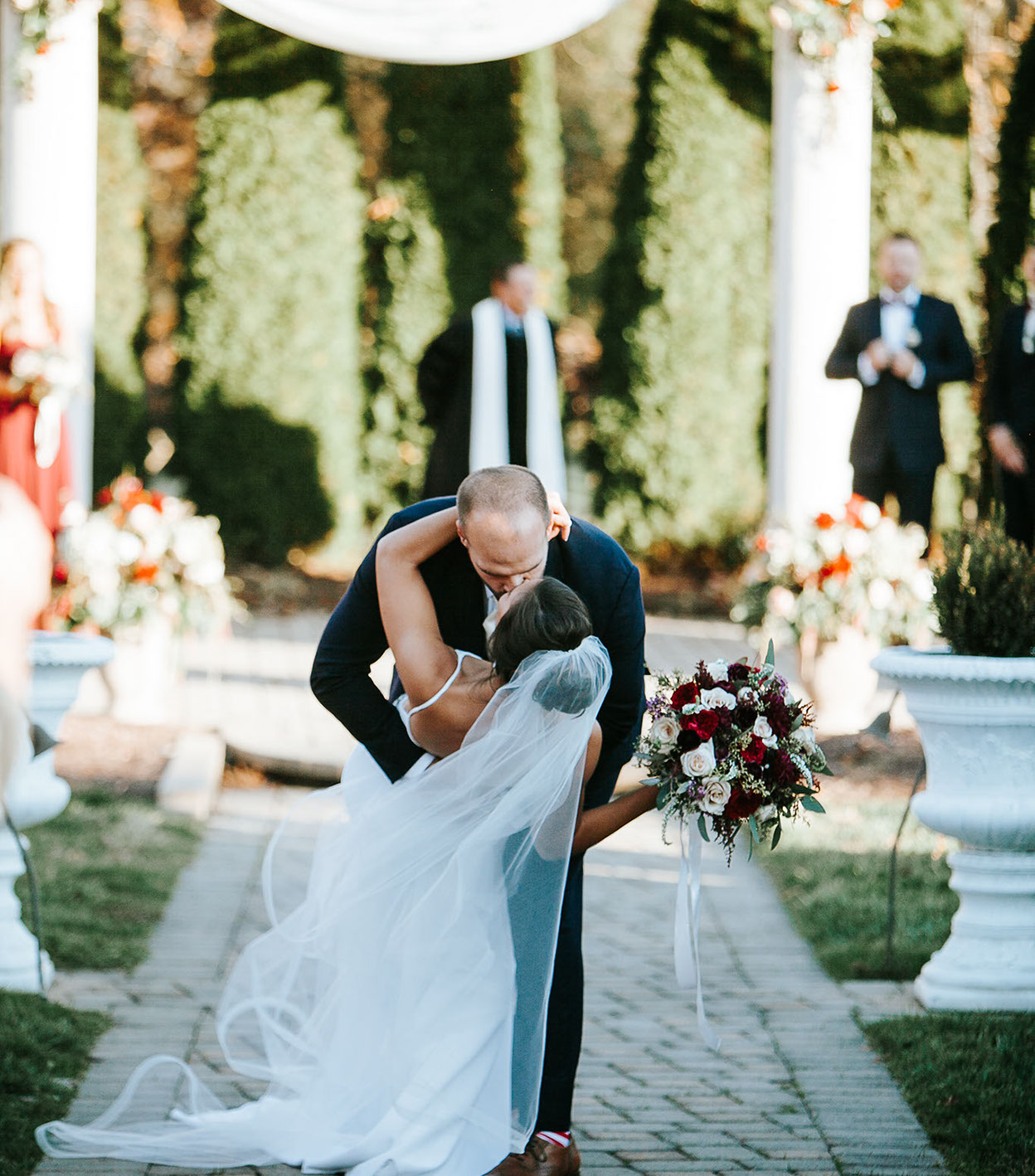
Tennessee has long been one of the most popular states in the country for destination weddings, elopements, and luxury estate celebrations. From the Great Smoky Mountains to rolling countryside landscapes near Knoxville, the state offers breathtaking settings alongside warm Southern hospitality.
While designing floral palettes, selecting caterers, and touring venues are usually the most exciting parts of wedding planning, mastering the legal requirements and logistical steps is what makes your union official. Tennessee marriage laws are straightforward, but they include specific rules regarding license applications, waiting periods, officiant qualifications, and county clerk protocols that every couple must follow.
This complete guide breaks down everything you need to know about getting legally married in Tennessee, ensuring your marriage license and event logistics are handled flawlessly.
Part 1: Obtaining Your Tennessee Marriage License
To legally tie the knot anywhere within the state of Tennessee, you must obtain an official Tennessee marriage license. You do not need to apply in the specific county where your venue is located, but your license must be issued by a Tennessee County Clerk's office.
1. Where and When to Apply
You can apply for a marriage license at any County Clerk office across the state of Tennessee. For example, if your wedding takes place at an estate in Loudon County, you can obtain your license in Loudon County, Knox County, or any other Tennessee county clerk location that is convenient for your travel schedule.
- Validity Window: Once issued, a Tennessee marriage license is valid for exactly 30 days. Your ceremony must take place within this 30-day window, or the license expires, requiring you to reapply and pay the fee again.
- No Waiting Period: Tennessee does not impose a mandatory waiting period. You can pick up your marriage license on Friday morning and legally marry on Friday afternoon.
- No Blood Tests or Residency Requirements: You do not need to be a resident of Tennessee to apply for a license, nor are any medical blood tests required.
2. Required Documentation and Identification
Both partners must appear in person at the County Clerk's office to submit the application and verify their identities.
When you arrive, both individuals must present:
- Valid Government-Issued Photo Identification: A current driver's license, state ID card, passport, or military ID.
- Proof of Social Security Number: You must know your Social Security number. Many clerks request your Social Security card, W-2 form, or a document displaying the full number. International citizens without a Social Security number must present a valid passport.
- Age Requirements: Both applicants must be at least 18 years of age. (Tennessee law strictly limits marriage licenses for minors).
- Previous Marriage Information: If either partner was previously married, you must provide the exact date your most recent marriage ended via divorce or death. Some county clerks require a certified copy of the final divorce decree if the divorce was finalized within the past 30 to 60 days.
3. Marriage License Costs and Premarital Counseling Discounts
Marriage license fees in Tennessee vary slightly by county, typically ranging between $95.00 and $105.00 for out-of-state residents or couples who have not completed premarital counseling.
Tennessee offers a significant fee discount for couples who complete a qualified premarital preparation course:
- The Counseling Discount: If you complete a qualifying premarital preparation course (minimum four hours) taught by a licensed therapist, religious leader, or certified counselor within one year prior to applying, Tennessee reduces your marriage license fee by $60.00.
- Certificate Requirement: To claim the discount, you must present a signed, notarized Certificate of Completion form provided by the Tennessee County Clerk's office at the time of your application.
Payment methods vary by office, so bring cash or a major debit or credit card (some offices charge small processing fees for card transactions).
Part 2: Tennessee Officiant Laws and Requirements
Understanding who can legally solemnize a marriage in Tennessee is one of the most critical aspects of state wedding law. Tennessee maintains specific statutory rules regarding officiant qualifications, and failing to use an authorized officiant can jeopardize the legal validity of your marriage.
Who Can Legally Officiate a Wedding in Tennessee?
Under Tennessee Code Annotated Section 36-3-301, the following individuals are authorized to solemnize marriages:
- Regularly Ordained Ministers and Clergy: Ministers, rabbis, priests, or spiritual leaders of any religious organization who have been ordained or accredited through regular church authority.
- Current or Former Judicial Officers: Judges, justices of the peace, county mayors, court clerks, and select elected municipal officials in Tennessee.
- Members of the Tennessee General Assembly: Current members of the Tennessee House of Representatives or State Senate.
Important Warning Regarding Online Ordinations
Tennessee state law includes strict language regarding online ordinations. Historically, the state legislature passed statutes stating that individuals ordained online through internet-based ministries without a physical congregation or regular body of believers do not possess legal authority to solemnize marriages in Tennessee.
While ongoing legal debates and federal court challenges have surrounded this statute, relying on an online-ordained friend or family member carries legal risk.
If you want a close friend or family member to conduct your ceremony:
- Option A (Dual Ceremony): Have your friend host and speak during your ceremony, but have a traditional ordained minister or local judge execute the legal solemnization and sign the marriage license behind the scenes.
- Option B (Pre-Ceremony Legal Filing): Complete the legal marriage paperwork at a courthouse with a local magistrate or judge prior to the wedding day, allowing your friend to focus purely on delivering a personal, custom ceremony without legal pressure.
Part 3: Essential Logistics for Tennessee Estate and Outdoor Weddings
Planning a wedding in East Tennessee involves more than just administrative paperwork. Navigating seasonal weather, transportation, guest accommodations, and venue infrastructure ensures your event runs smoothly.
1. Navigating Seasons and Microclimates
East Tennessee experiences four distinct seasons, each offering unique backdrops and logistical considerations.
Spring (March - May)      ──> Moderate Temps | Lush Blooms    | Plan for Spring Showers
Summer (June - August)    ──> Long Daylight  | Warm Afternoons| Shade & Hydration Essential
Autumn (Sept - November)  ──> Peak Foliage   | Crisp Air      | High Venue Demand
Winter (Dec - February)   ──> Cozy Ambiance  | Cool Nights    | Heated Spaces Required
- Spring: Brings vibrant green foliage and garden blooms. Weather can be variable, so ensure your venue offers covered pavilion options or indoor backup spaces for unexpected rainfall.
- Summer: Long daylight hours allow for late afternoon ceremonies and twilight cocktail hours. Ensure your outdoor setup includes shaded seating areas, cold welcome beverages, and fan options for guest comfort.
- Fall: Peak season in Tennessee due to comfortable temperatures and breathtaking mountain foliage. Fall dates book out far in advance, so secure venues and vendors twelve to eighteen months early.
- Winter: Offers quiet charm, lower venue rates, and cozy indoor settings. Confirm that outdoor terrace spaces feature patio heaters or fire pits for evening cocktail hours.
To learn more about optimizing your timeline for seasonal weather, explore our advice on how versitile wedding venues keep your day beautiful in any weather.
2. Transport and Guest Navigation
Many luxury private venues and estates in Tennessee are situated on sprawling rural acreage. While this offers incredible privacy and scenic views, it requires smart transportation planning for out-of-town guests.
- Shuttle Transportation: Hire private shuttle vans or buses to transport guests between primary host hotels and your venue. This eliminates navigation stress on dark rural roads and ensures everyone returns safely after reception toasts.
- Directions and Signage: Provide clear custom directions on your wedding website. GPS navigation in rural mountain pockets can occasionally misdirect drivers, so posting physical directional signs near venue entrance turns keeps traffic flowing smoothly.
If you are currently coordinating guest lodging and transportation routes, read our guide on how wedding venues with lodging simplify guest accommodation.
3. Alcohol Laws and Event Bartending
Tennessee maintains specific regulations regarding alcohol service at private events and commercial venues.
- Licensed Bartenders Required: Most professional venues require alcohol to be served by licensed, insured bartenders holding valid ABC (Alcoholic Beverage Commission) server permits. Self-service bars or open kegs managed by guests are rarely permitted due to liability rules.
- Liquor Laws and Hours: Commercial alcohol sales and service must comply with local county regulations. In many Tennessee counties, alcohol service must cease by 11:00 PM or midnight.
Working with an experienced venue planning team ensures all bartending permits, insurance certificates, and service hours comply fully with county guidelines.
Part 4: Post-Ceremony Paperwork and Legal Name Changes
The legal process is not finished when you say "I do." Completing post-ceremony filing ensures your marriage is officially recorded by the state.
1. Executing and Returning the License
Immediately following the ceremony, the couple, the officiant, and required witnesses gather to complete the marriage license.
- Signatures: The officiant must complete the solemnization section of the license, filling in the date, location, ceremony type, and their official title.
- Returning the Form: The completed, signed marriage license must be returned to the issuing County Clerk's office within 30 days of the ceremony. The officiant or couple can drop it off in person or mail it using a trackable mail service.
2. Obtaining Certified Copies
Once the County Clerk receives and records your signed license, your legal marriage is officially registered with the State of Tennessee.
Order at least three to four certified copies of your marriage certificate from the County Clerk. Certified copies feature an official raised seal and are required for:
- Updating your driver's license at the DMV
- Changing your legal name with the Social Security Administration
- Updating passport information
- Adjusting health insurance, banking accounts, and payroll records
To see how smooth logistical planning fits into an all-inclusive venue experience, read about what to ask on your wedding venue tour so you know it is the one.
Final Marriage Logistics Checklist for Couples
Use this summary checklist to keep your Tennessee marriage preparations on schedule:
2 to 3 Months Before the Wedding
- Decide whether to complete a 4-hour premarital preparation course for the $60 fee discount.
- Confirm your officiant's legal standing under Tennessee state law.
- Confirm transportation plans, guest shuttles, and airport connections.
1 Month Before the Wedding (Within the 30-Day Window)
- Visit a Tennessee County Clerk office together with valid photo IDs and Social Security proof.
- Pay the marriage license fee and receive your official paperwork.
- Store the license safely in your wedding day document folder.
Wedding Day
- Deliver the marriage license packet to your wedding planner or officiant before the ceremony.
- Sign the license with your officiant immediately following ceremony portraits.
1 to 2 Weeks After the Wedding
- Ensure the officiant returns the signed license to the County Clerk within 30 days.
- Request certified copies of your marriage certificate for legal name change procedures.
By handling marriage licenses, officiant requirements, and seasonal logistics in advance, you guarantee a stress-free celebration as you begin your new life together in East Tennessee.