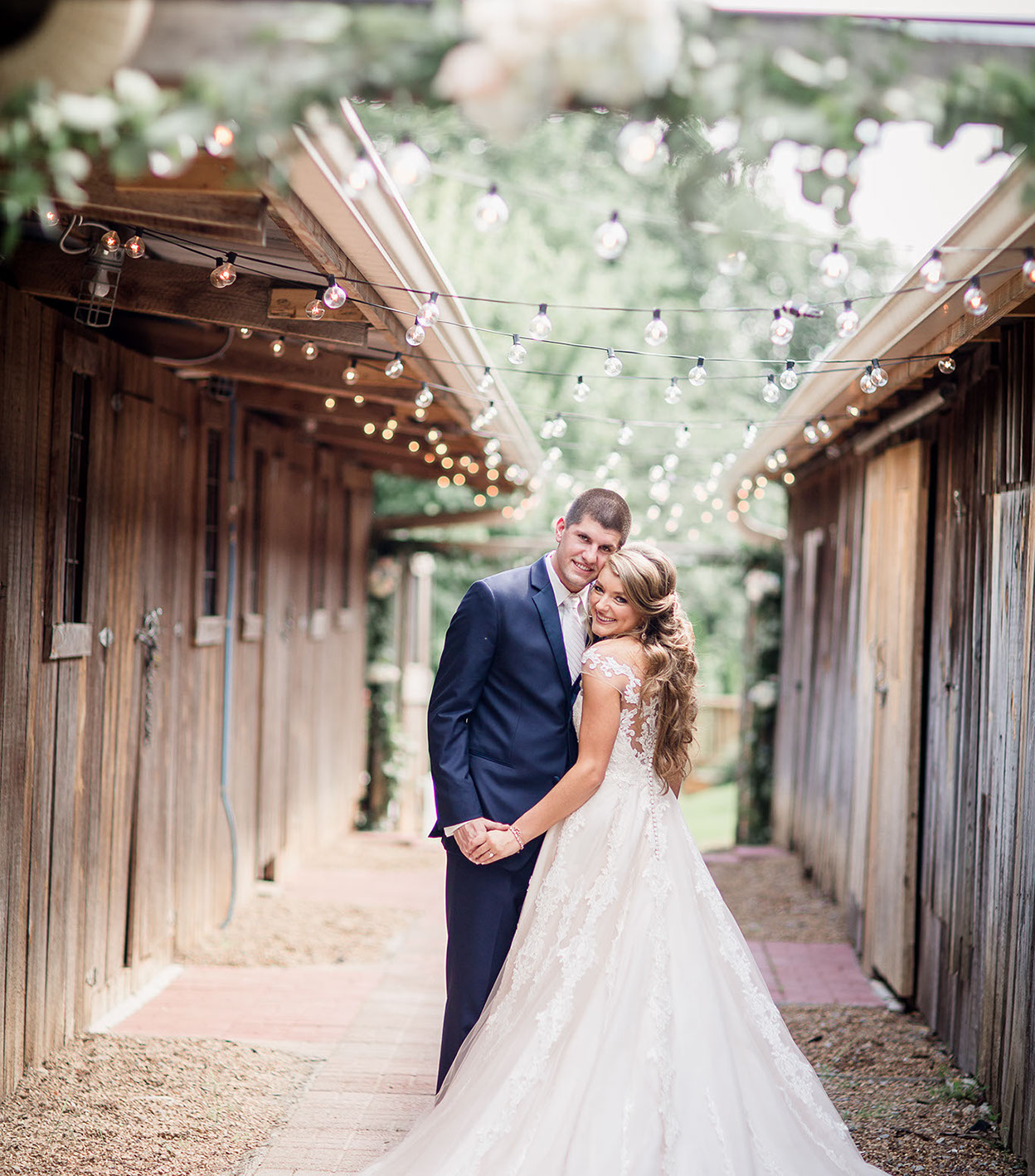
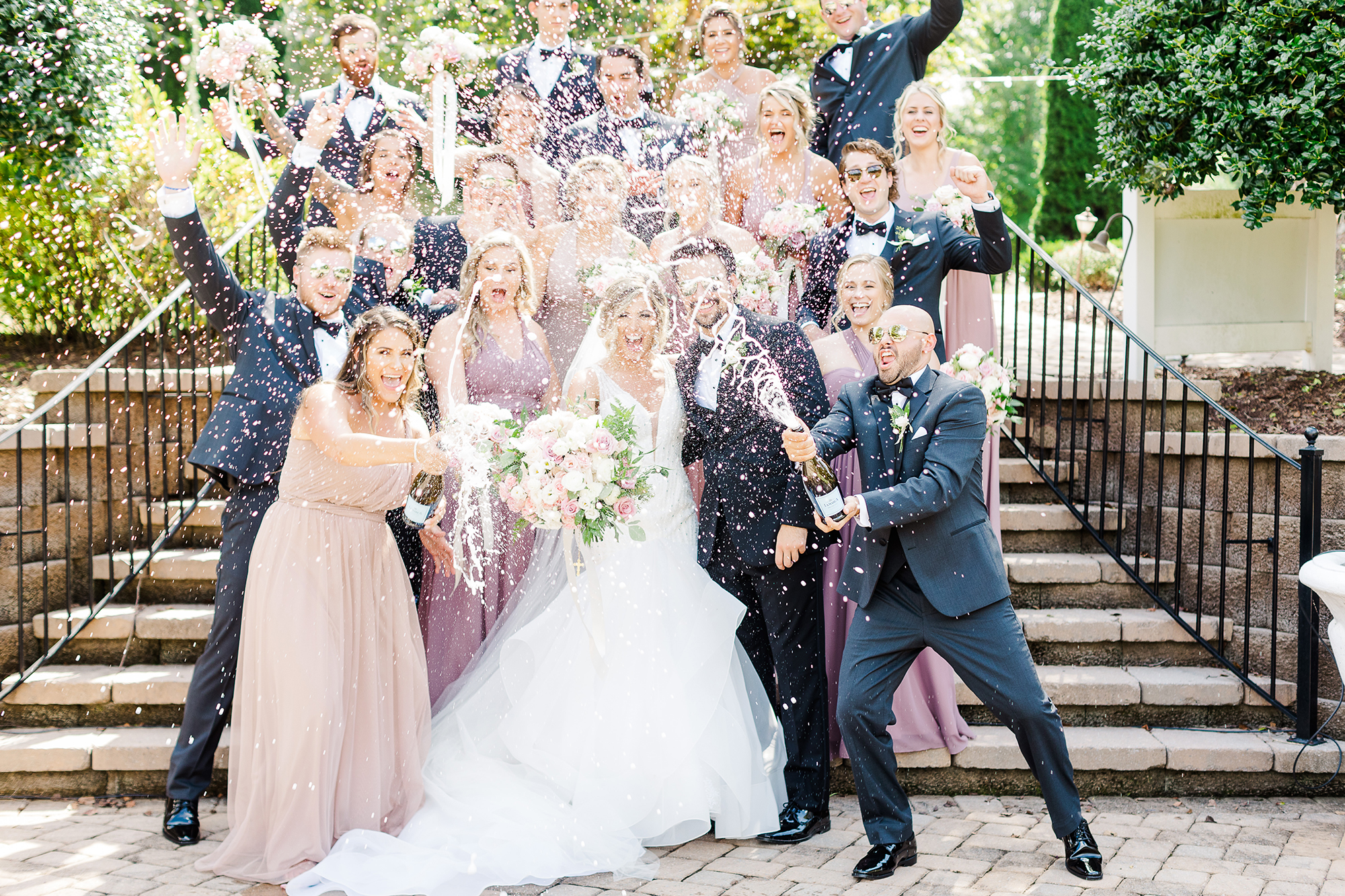
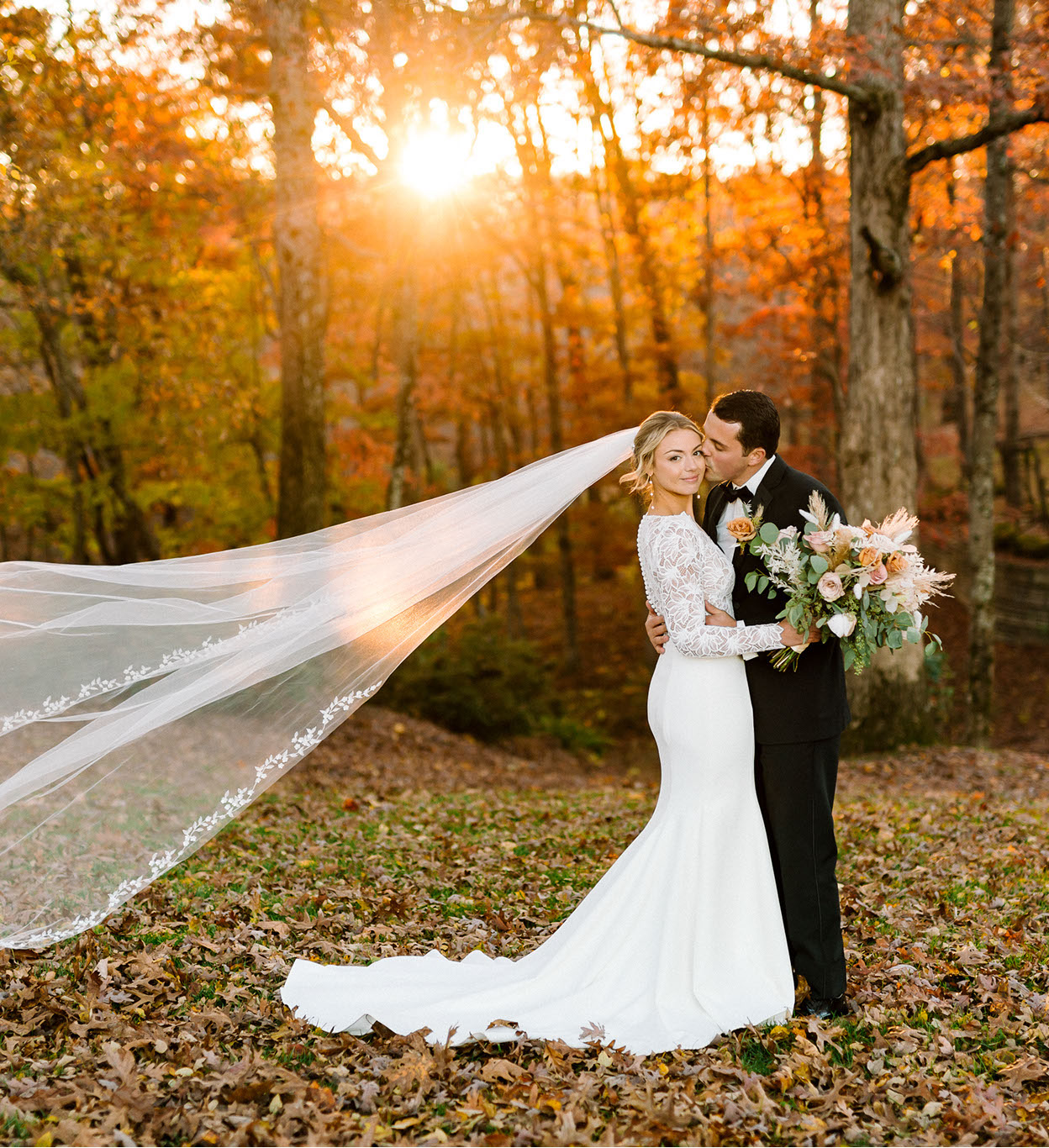
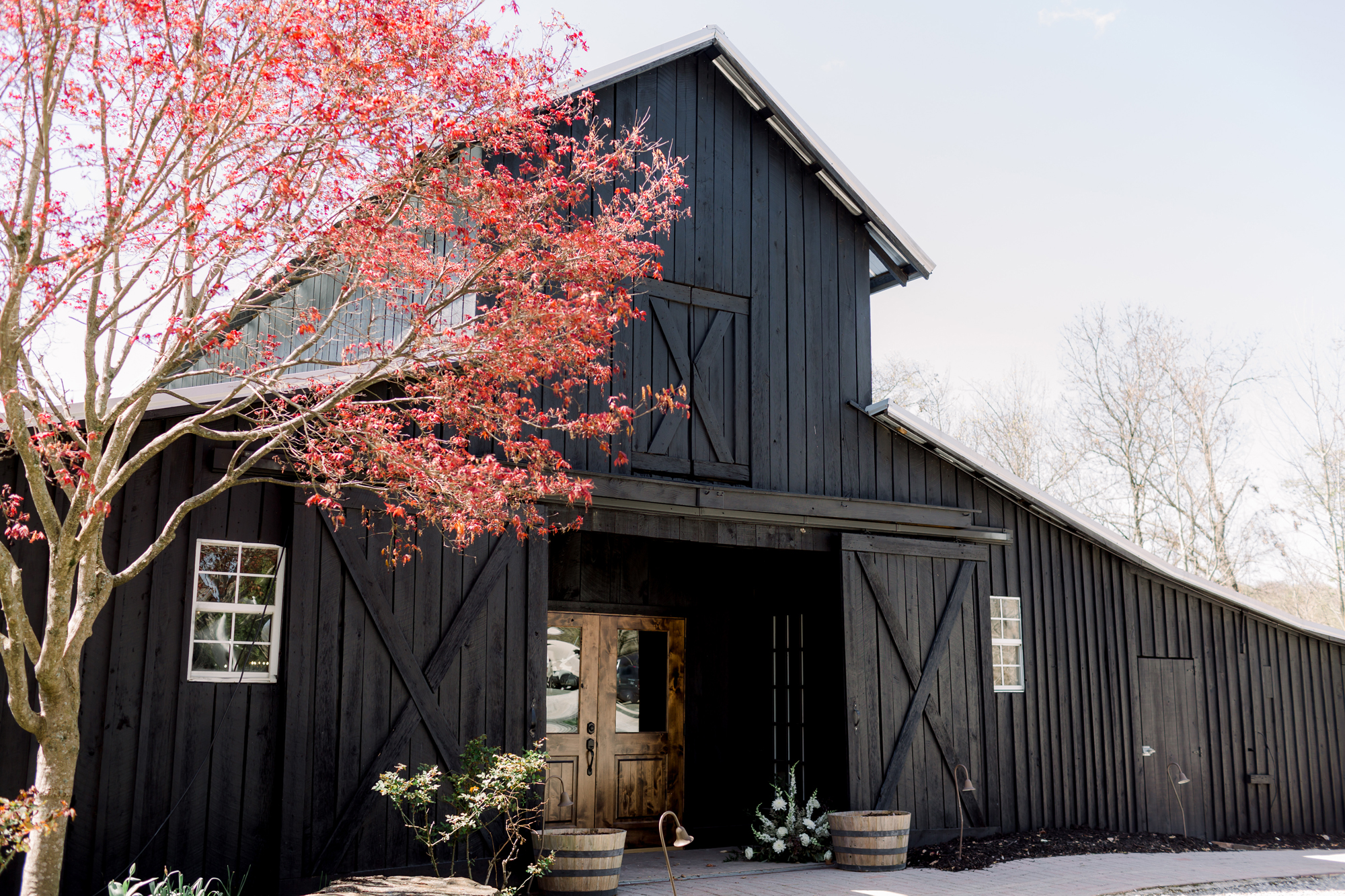
Modern weddings are changing. More couples are moving away from tightly packed single-day events and instead creating immersive wedding weekends that feel calm, intentional, and deeply enjoyable for everyone attending.
This shift is happening for a simple reason: people want connection, not chaos.
Guests are often traveling long distances, taking time off work, arranging childcare, and investing significant money just to attend a wedding. When couples thoughtfully design the experience around comfort and hospitality, the celebration becomes more than a ceremony and reception. It becomes a retreat where guests can slow down, reconnect, and genuinely enjoy their time together.
A relaxing wedding weekend does not mean extravagant spending or endless activities. In many cases, the opposite is true. The most successful wedding retreats focus on reducing stress, simplifying logistics, and creating space for meaningful interaction.
The goal is not to entertain guests every minute of the weekend. The goal is to create an environment where people feel welcomed, comfortable, and emotionally present.
Here is how to turn your wedding into a relaxing weekend retreat your guests will genuinely appreciate and remember.
The atmosphere of the venue shapes the entire emotional experience of the wedding weekend.
If guests constantly need to travel between locations, navigate complicated schedules, or manage transportation stress, the weekend immediately feels more hectic.
A retreat-style wedding works best when the environment itself encourages people to relax.
That often means choosing venues that offer:
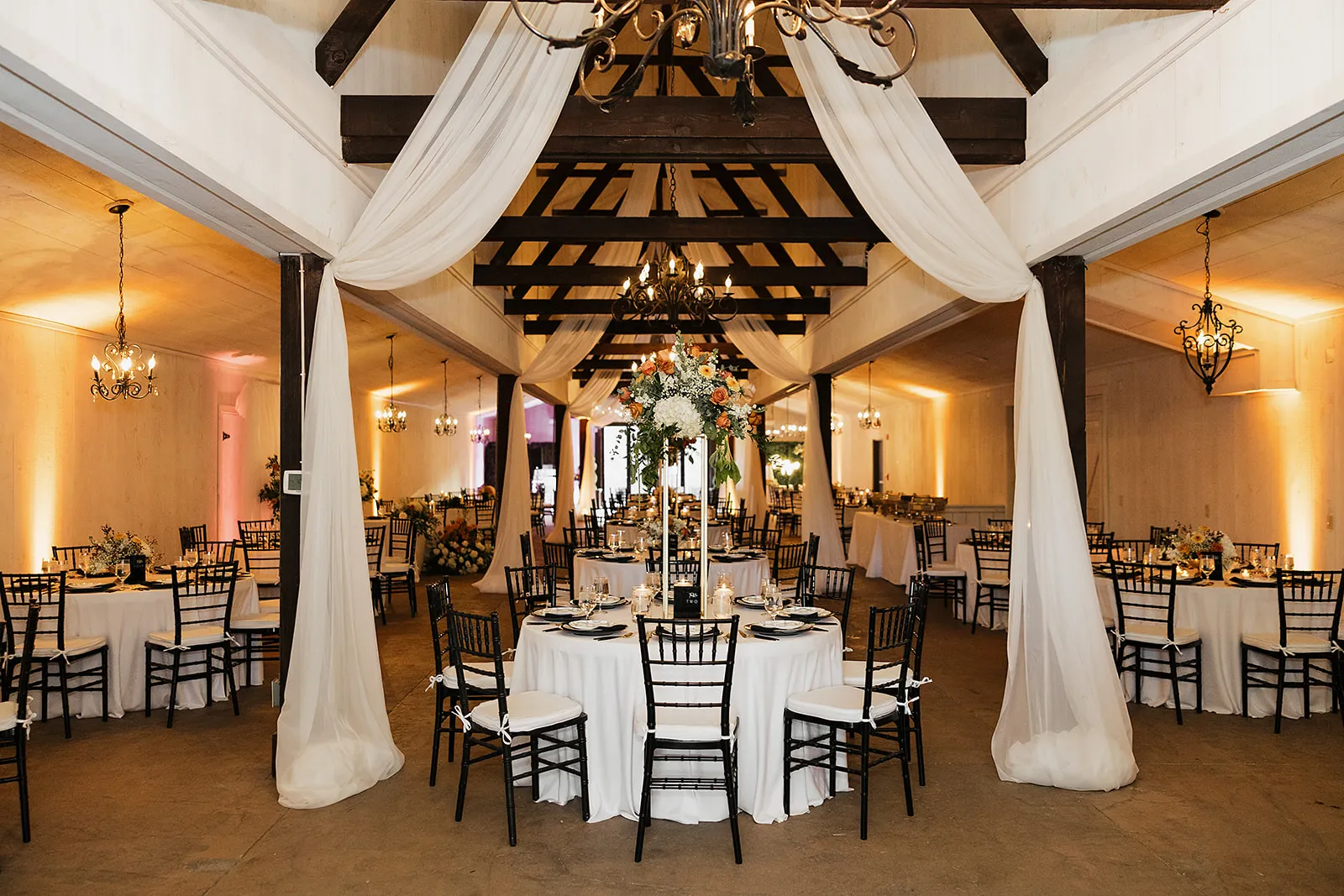
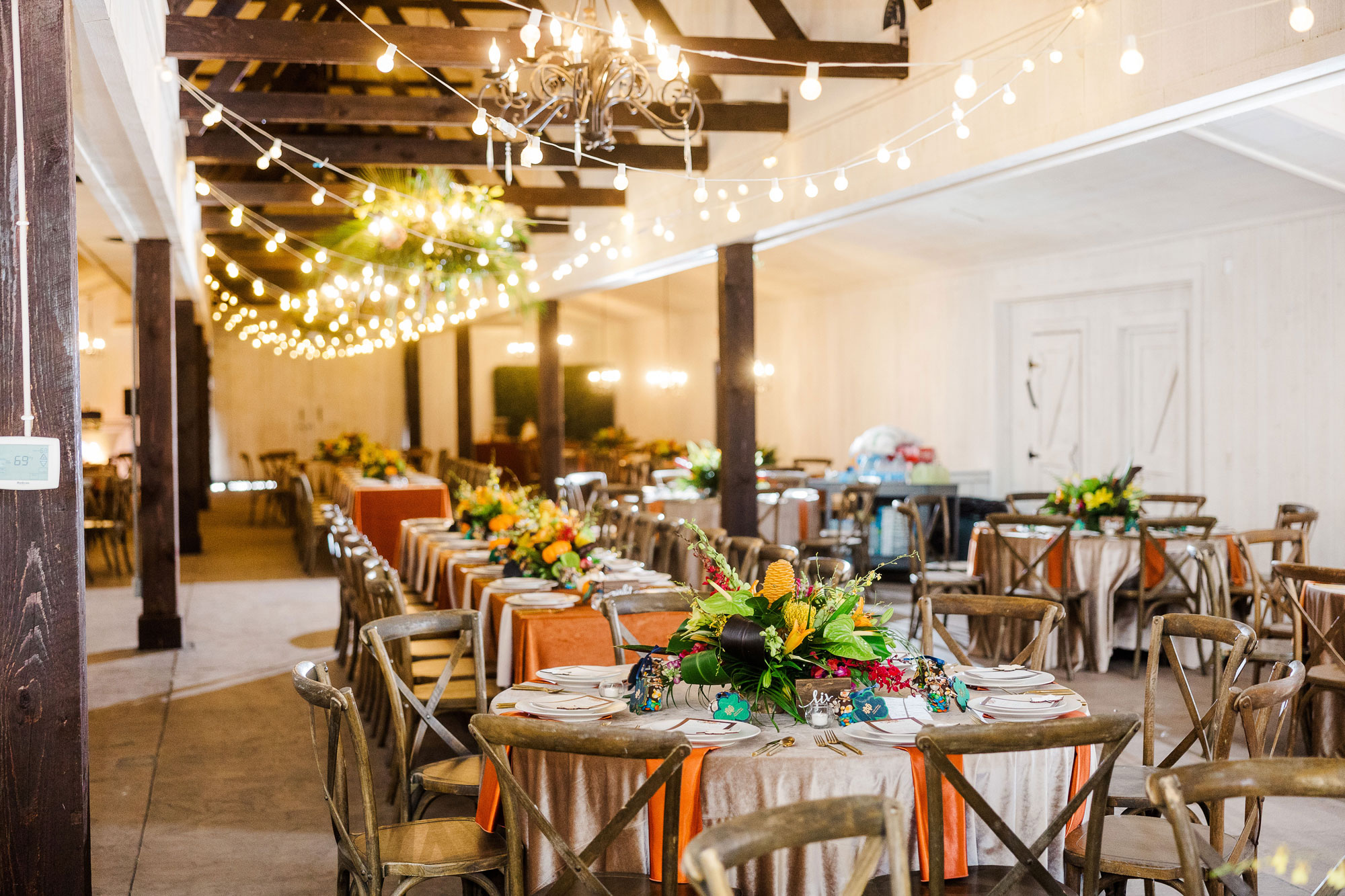
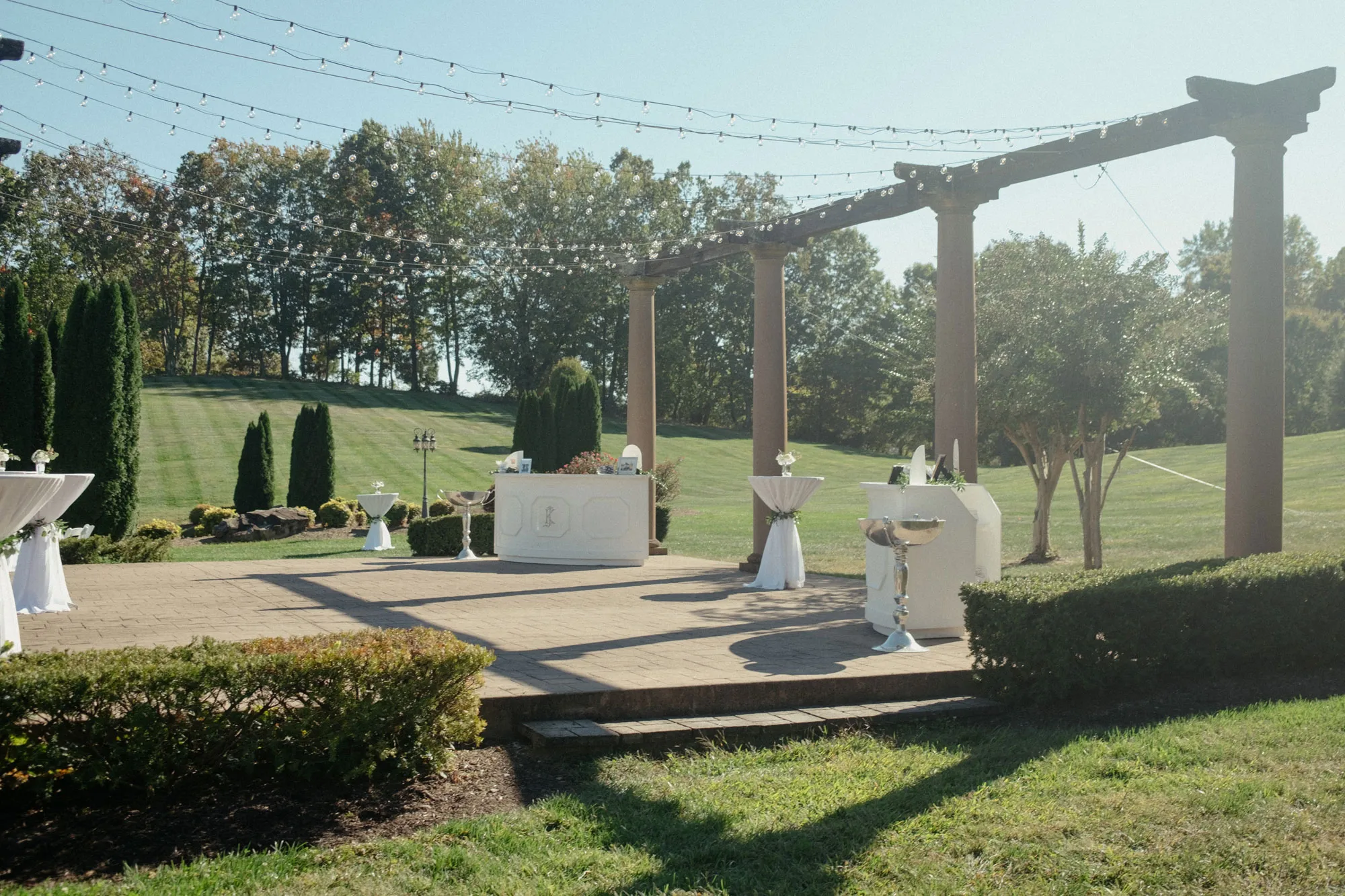
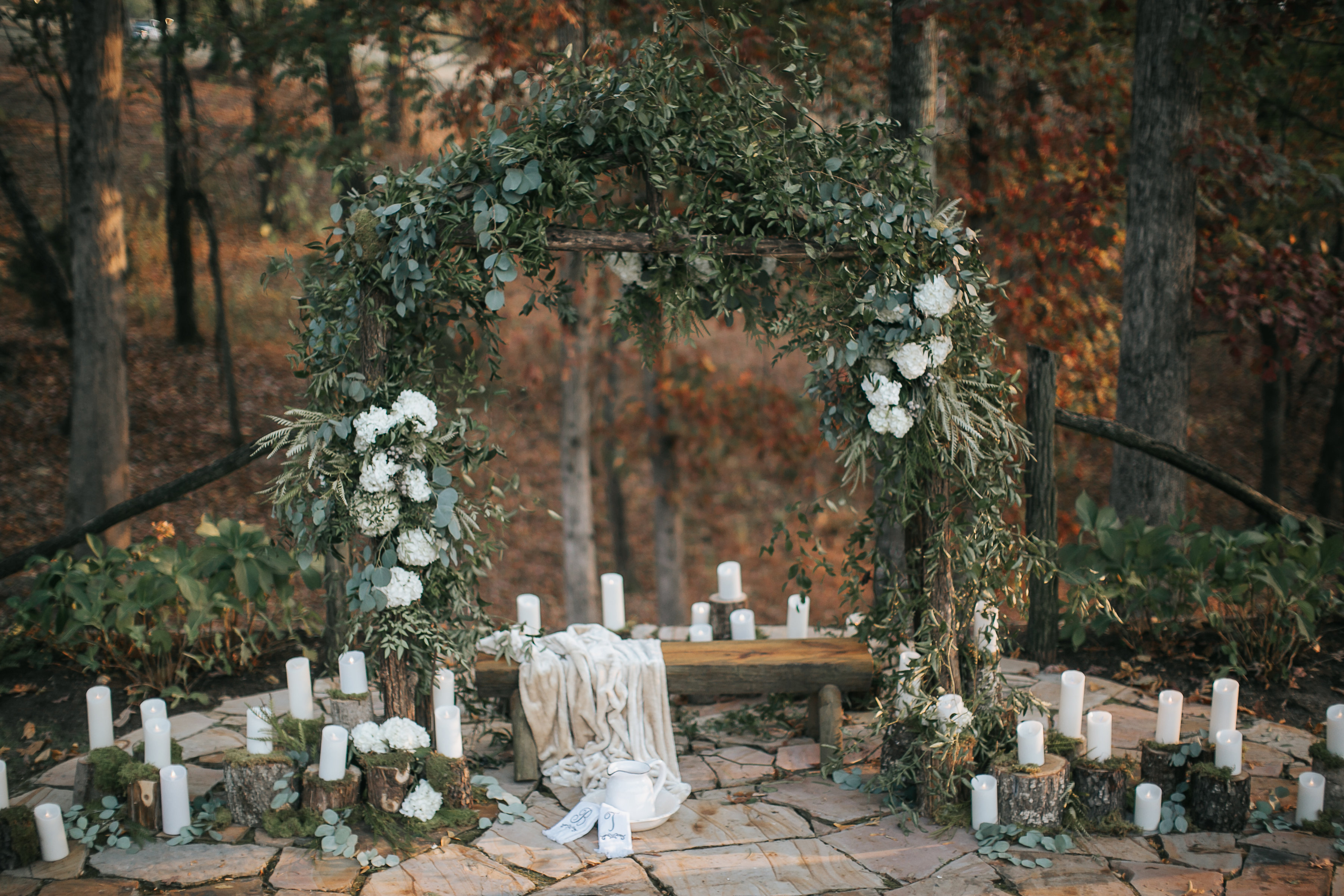
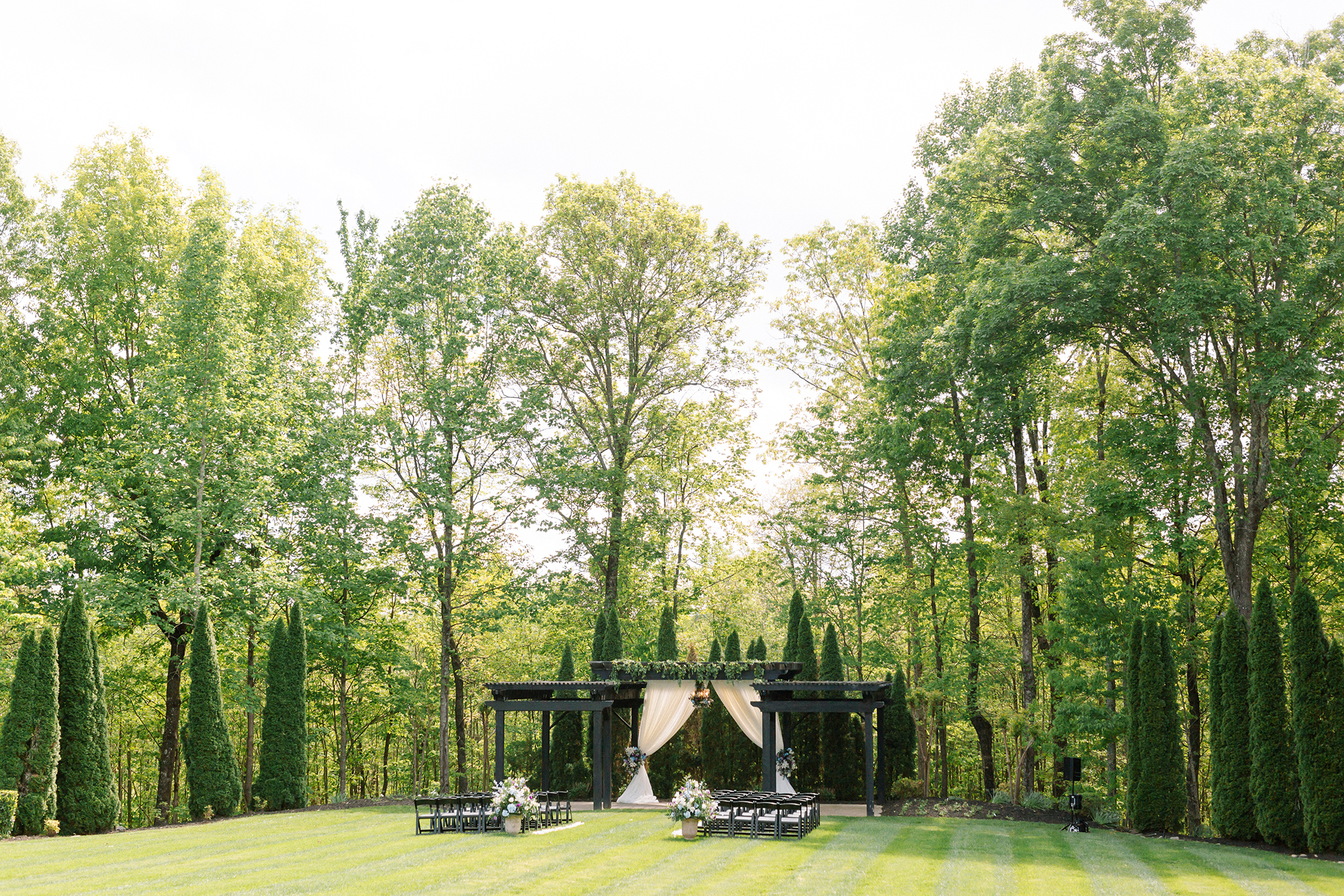
Estate-style venues naturally support this type of experience because they create a sense of escape from everyday routines. Couples looking for immersive celebrations often gravitate toward exclusive country estate wedding experiences because the setting itself encourages guests to slow down and stay engaged throughout the weekend.
One of the biggest mindset shifts is understanding that guests experience the wedding as an entire journey, not just a ceremony and reception.
For many guests, the experience begins:
A relaxing wedding retreat considers every phase of that experience.
That includes:
When couples approach the wedding holistically, guests feel more cared for and less overwhelmed.
Stress often begins before guests even arrive.
Travel uncertainty creates frustration quickly, especially for out of town guests unfamiliar with the area.
Reducing logistical friction is one of the most important forms of hospitality.
Provide guests with:
A well-organized wedding website becomes essential for retreat-style celebrations because it helps guests feel informed and prepared before the weekend even begins.
The arrival experience sets the tone emotionally.
Guests who arrive exhausted from travel immediately feel more relaxed when the environment feels welcoming and organized.
Simple gestures can have a major impact:
The goal is not extravagance. The goal is comfort and reassurance.
Guests should feel:
Thoughtful arrival hospitality immediately changes how the weekend feels.
One of the biggest mistakes couples make is trying to fill every hour with planned activities.
A relaxing retreat requires downtime.
Guests need opportunities to:
When every hour is structured, guests often become socially and physically exhausted.
A retreat-style wedding should feel spacious rather than rushed.
This does not mean the weekend lacks activity. It simply means the pacing feels intentional and breathable.
The physical setup of the venue strongly influences how guests interact throughout the weekend.
Relaxing environments usually include:
Guests naturally spend more time together when the environment encourages lingering rather than constant movement.
Welcome parties play a major role in creating retreat energy for the weekend.
The purpose is not to impress guests with another elaborate event. The purpose is to help everyone settle in comfortably.
The best welcome gatherings feel:
Guests are often arriving tired from travel, so avoid overcomplicated schedules or rigid timelines.
Relaxed welcome party ideas include:
These types of events allow guests to reconnect naturally without pressure.
Food significantly shapes how guests experience a wedding weekend.
Traveling guests are often operating on:
Hospitality means thinking beyond the reception dinner.
Provide access to:
Comfort food often creates the strongest emotional response because it helps guests feel physically cared for.
Guests have different social and physical energy limits.
Some guests:
Retreat-style weddings respect those differences.
Avoid:
The more realistic the schedule feels, the more guests can remain emotionally present throughout the weekend.
Not every moment requires an activity.
Some couples worry guests will become bored without nonstop programming. In reality, most people appreciate having space to relax.
A peaceful atmosphere often creates stronger memories than excessive stimulation.
Guests enjoy:
These slower moments often become the most emotionally meaningful parts of the weekend.
A retreat-style wedding naturally aligns with wellness-focused hospitality.
This does not require turning the weekend into a spa retreat. Small wellness-oriented details can dramatically improve comfort.
Helpful additions include:
Couples increasingly want weddings that feel emotionally restorative rather than physically exhausting.
Transportation problems quickly destroy a relaxing atmosphere.
Guests should never feel anxious about:
Whenever possible:
The fewer logistical decisions guests must make, the more relaxed they feel throughout the weekend.
One reason retreat-style weddings work so well is because they allow guests to experience a destination rather than simply attending an event.
Guests appreciate opportunities to:
Couples hosting weddings in scenic locations often create stronger guest experiences by embracing the destination rather than isolating guests within a rigid schedule.
A farewell brunch creates emotional closure.
Without one, weddings can end abruptly after the reception, especially when guests leave early the next morning.
Brunches provide:
Unlike the reception, brunches feel calmer and less structured.
Guests are more likely to:
A farewell brunch helps the retreat experience conclude naturally rather than ending suddenly.
Many couples assume creating a retreat experience requires extravagant spending.
It does not.
Guests respond more strongly to thoughtful hospitality than expensive details.
Small gestures matter:
The emotional atmosphere of the weekend matters far more than excessive production.
The best wedding weekends create space for people to reconnect naturally.
This is especially important when:
Relaxed environments encourage:
This is one reason estate and destination weddings feel so memorable. People are not constantly rushing in and out. They remain together long enough for meaningful moments to develop naturally.
At its core, a retreat-style wedding is about emotional ease.
Guests should not feel:
Instead, they should feel:
Every planning decision should support that emotional atmosphere.
People rarely remember weddings solely because of decorations or timelines.
They remember how the experience felt.
They remember:
A relaxing wedding retreat allows guests to experience the celebration emotionally rather than simply attending a scheduled event.
That emotional connection is what makes the weekend unforgettable.
At the end of the day, guests do not need perfection.
They do not need constant entertainment or endless luxury.
They want:
When couples design a wedding weekend around those principles, the celebration becomes something much deeper than a traditional event.
It becomes a shared retreat where people can slow down, reconnect, celebrate fully, and create lasting memories together.
That is what truly transforms a wedding weekend into an experience guests will remember for years.