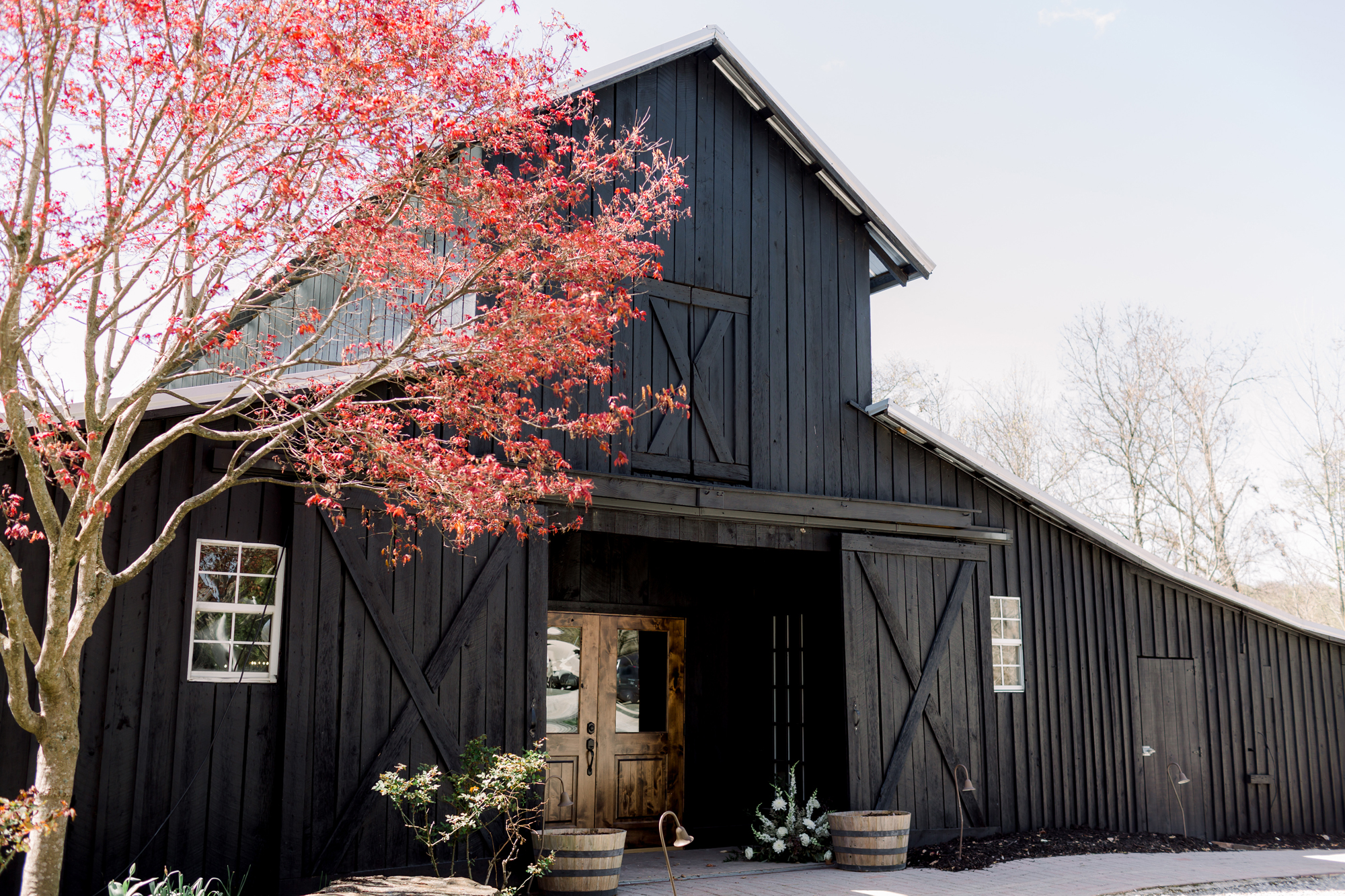
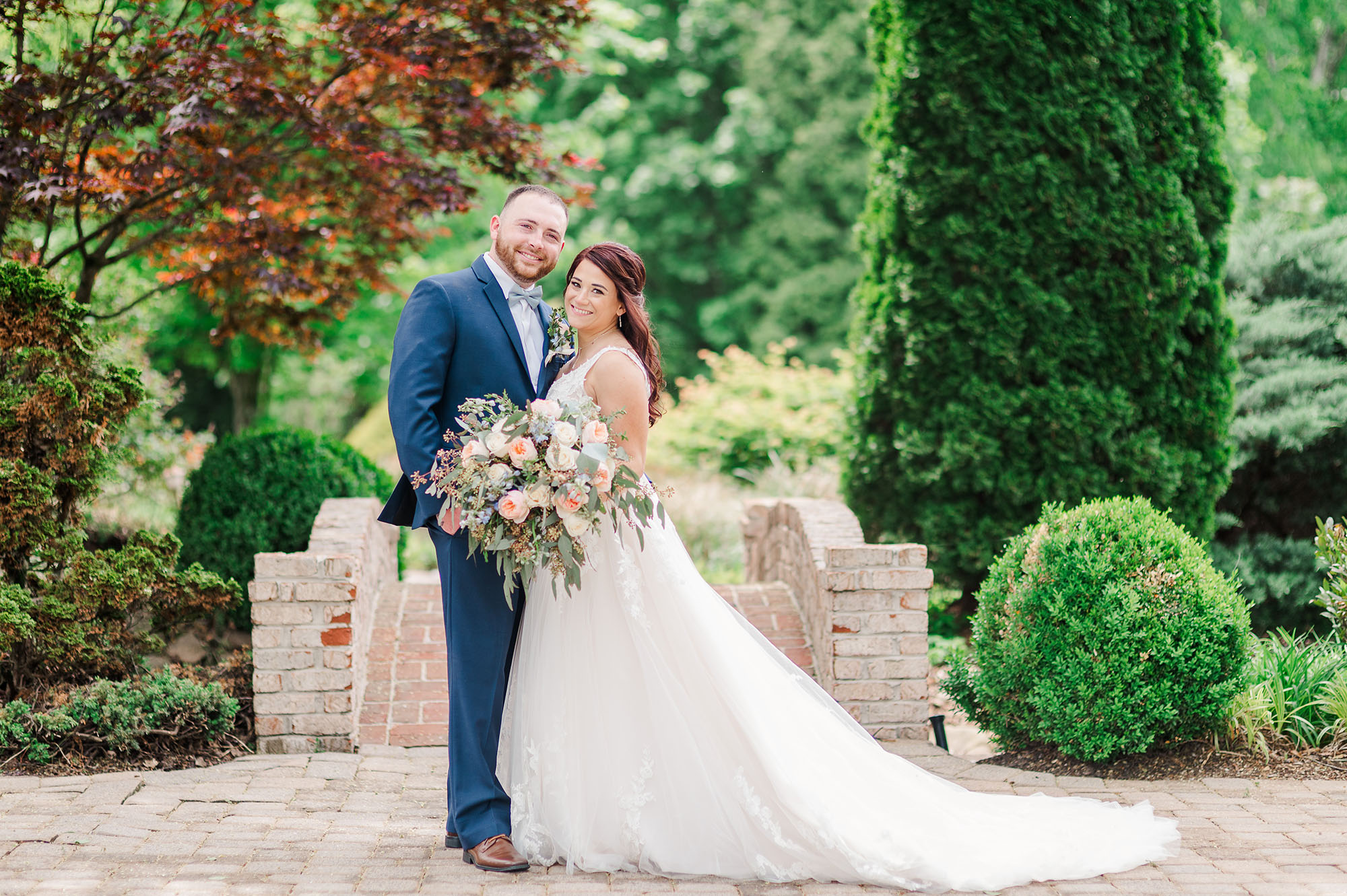
Booking a wedding venue that provides built-in planning and coordination services is one of the most effective ways to simplify your wedding journey. Having an in-house planning team instantly takes a massive weight off your shoulders, replacing complex logistics, site coordination, and timeline creation with expert guidance.
However, a common question arises for couples who select this all-inclusive or venue-managed planning route: how do you build out the rest of your wedding vendor team?
When your venue manages the master plan, assembling your creative team—such as photographers, videographers, floral artists, hair and makeup specialists, and entertainment—requires a slightly different strategy. Instead of hiring vendors in a vacuum, your goal is to curate a group of professionals who seamlessly align with your venue's infrastructure, respect its operating guidelines, and elevate the built-in planning framework already at your disposal.
To build an exceptional vendor team, you must first understand where your venue's planning team leaves off and where independent vendors step in.
In-house planners focus heavily on spatial logistics, venue rules, food and beverage execution, master day-of timelines, and on-site vendor management. They ensure that your vendors load in safely, that the kitchen stays on schedule, and that every transition from ceremony to reception runs according to plan.
Independent vendors, on the other hand, focus on creative execution and personal artistry. Your photographer is focused on capturing emotion and light. Your florist is focused on stem selection and floral design. Your DJ is focused on reading the crowd and curating the dance floor.
When you hire independent vendors while utilizing venue-led planning, your vendors do not have to worry about running the entire day's schedule. Instead, they can focus 100 percent of their energy on their craft, knowing a dedicated in-house team is handling the overarching logistics.
Couples who want to explore how built-in coordination changes the planning dynamic can read about how a dedicated wedding planning team changes your entire wedding experience to see how on-site management streamlines the process.
The absolute best starting point for building your vendor team is the preferred vendor list provided by your venue.
A preferred vendor list is not just a random directory of local businesses. It is a curated collection of professionals who have proven track records at that specific location. These vendors already understand the venue's layout, parking logistics, load-in pathways, sound ordinances, and lighting nuances.
Working with preferred vendors offers several major advantages:
Even if your venue allows you to bring in outside vendors, reviewing the preferred list first gives you a reliable baseline for quality, pricing, and style.
Before you begin reaching out to individual vendors, sit down with your partner and define your creative vision. While your venue's planning team will handle the structural setup, your creative vendors will bring the visual and sensory details to life.
Take time to clarify your preferences across key categories:
Once you have a clear sense of your personal style, communicate it to your venue planner. They can look at your vision and point you toward specific vendors on their radar who excel in those exact styles.
If you are currently trying to decide how your aesthetic fits within an estate or countryside setting, you can read our comparison on inside or outside what is your style to help narrow down your visual preferences.
If you decide to hire vendors who are not on your venue's preferred list, you must vet them for venue compatibility. An outside vendor may have an incredible portfolio, but if they lack experience with your venue's specific setting or rules, friction can occur.
When interviewing non-preferred vendors, ask specific questions to assess their adaptability:
Understanding how a photographer captures open-air lighting and spatial features is crucial. You can review our advice on how to choose a wedding photographer who actually captures your venues character for a deeper breakdown of what to ask during interviews.
If you are exploring dining options for a venue with curated catering standards, check out our guide on what to look for in a wedding caterer when your venue has a curated dining experience.
One of the biggest mistakes couples make when working with a venue-provided planner is keeping communication compartmentalized. Couples often act as the middleman, passing emails back and forth between their outside vendors and their venue planner. This creates unnecessary work and opens the door for miscommunication.
As soon as you hire a vendor, formally introduce them to your venue's planning team via email.
Allow your venue planner to communicate directly with your vendors regarding:
When your vendors and venue planner establish direct communication early, you can step back and enjoy the planning process without getting bogged down in minor technical emails.
Before signing contracts with any wedding vendor, review the terms carefully alongside your venue's rules and guidelines. You want to ensure that every vendor contract aligns with your venue's operational policies.
Key elements to verify in vendor contracts include:
While skill and experience are essential, the overall culture of your vendor team matters just as much. Your wedding day should be filled with calm, joyful, and professional energy.
When interviewing vendors, pay attention to how they communicate:
A great vendor understands that a wedding is a team sport. They respect the authority of the venue's planning team, support their fellow vendors, and maintain a calm demeanor under pressure. When every vendor on your team shares a collaborative mindset, your wedding day flows effortlessly.
To keep your vendor team organized and aligned with your venue planner, use this straightforward checklist leading up to your wedding day:
When your venue provides top-tier planning services and you surround that team with talented, compatible vendors, your wedding experience transforms. Instead of spending your wedding morning worrying about delivery times, setup mechanics, or timeline delays, you can relax, spend quality time with loved ones, and immerse yourself in the moment.
By leveraging your venue's preferred recommendations, vetting outside vendors for site compatibility, facilitating direct communication, and reviewing contract logistics, you build a cohesive team dedicated to bringing your wedding vision to life.
If you are ready to explore how a dedicated venue planning team can transform your wedding journey, discover our approach to all-inclusive vs DIY wedding venues: which option actually saves you more or visit our property by booking a tour through our website.