When couples begin building their wedding budget, entertainment sits near the top of the priority list. Yet, there is a common misconception about what a professional wedding DJ actually does. To the untrained eye, it might seem like a DJ simply turns up an hour before the reception, plugs in a laptop, hits play on a pre-made playlist, and talks into a microphone every so often.
In reality, music playback is only about twenty percent of a professional wedding DJ's total workload. The remaining eighty percent consists of sound engineering, event flow management, audio troubleshooting, live crowd reading, master of ceremonies (MC) duties, and behind-the-scenes coordination with your planner, photographer, and catering staff.
Understanding what goes into a DJ's full workday demystifies their value. It also gives you the exact tools you need to brief your entertainment team, ensuring your reception flows naturally from your grand entrance to the final dance.
Part 1: Behind the Scenes: A Day in the Life of a Wedding DJ
To understand why a great DJ is crucial to a seamless event, it helps to walk through their entire day step by step. Long before your guests take their seats, your DJ is actively working to safeguard your wedding audio and timeline.
Morning Preparation and Gear Inspections
A professional DJ's workday begins hours before they physically travel to the venue. In the morning, they run thorough equipment checks across every piece of hardware they plan to use:
- Audio Redundancy: Testing primary and secondary laptops, hard drives, media players, and digital controllers.
- Microphone Maintenance: Replacing batteries in wireless handhelds and lavaliers, testing frequency response, and scanning for local radio frequency interference.
- Music Library Audits: Verifying that explicit tracks are replaced with radio edits, checking that custom edits for special dances are correctly formatted, and ensuring offline backups are synced in case local cell service or Wi-Fi fails.
Arrival, Site Assessment, and Setup
Most professional DJs arrive at the venue three to four hours before the ceremony begins. This early buffer is non-negotiable, especially when navigating complex layouts or countryside estate weddings where ceremonies, cocktail hours, and receptions take place in distinct, spread-out areas.
During setup, the DJ manages several technical layers:
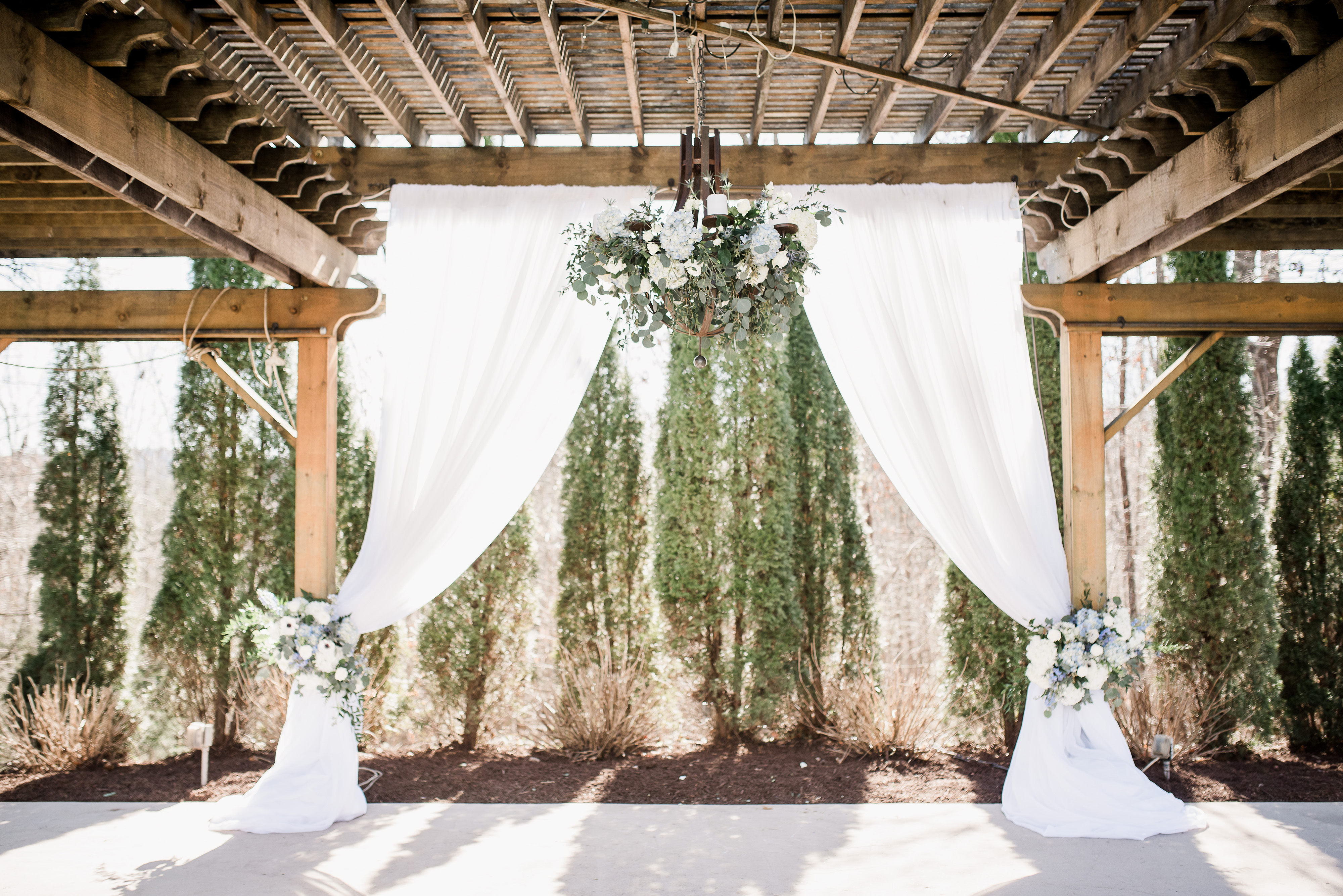
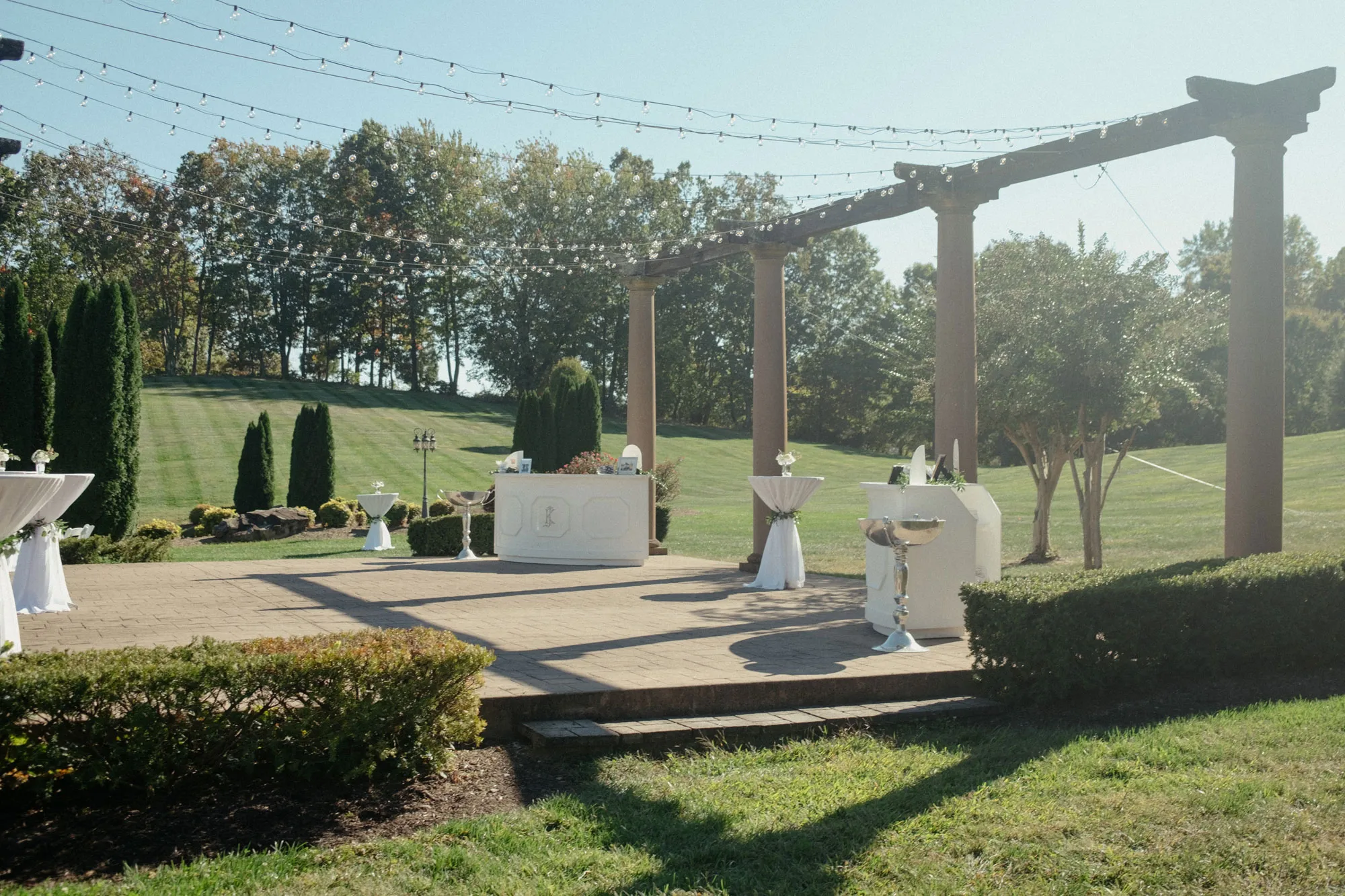
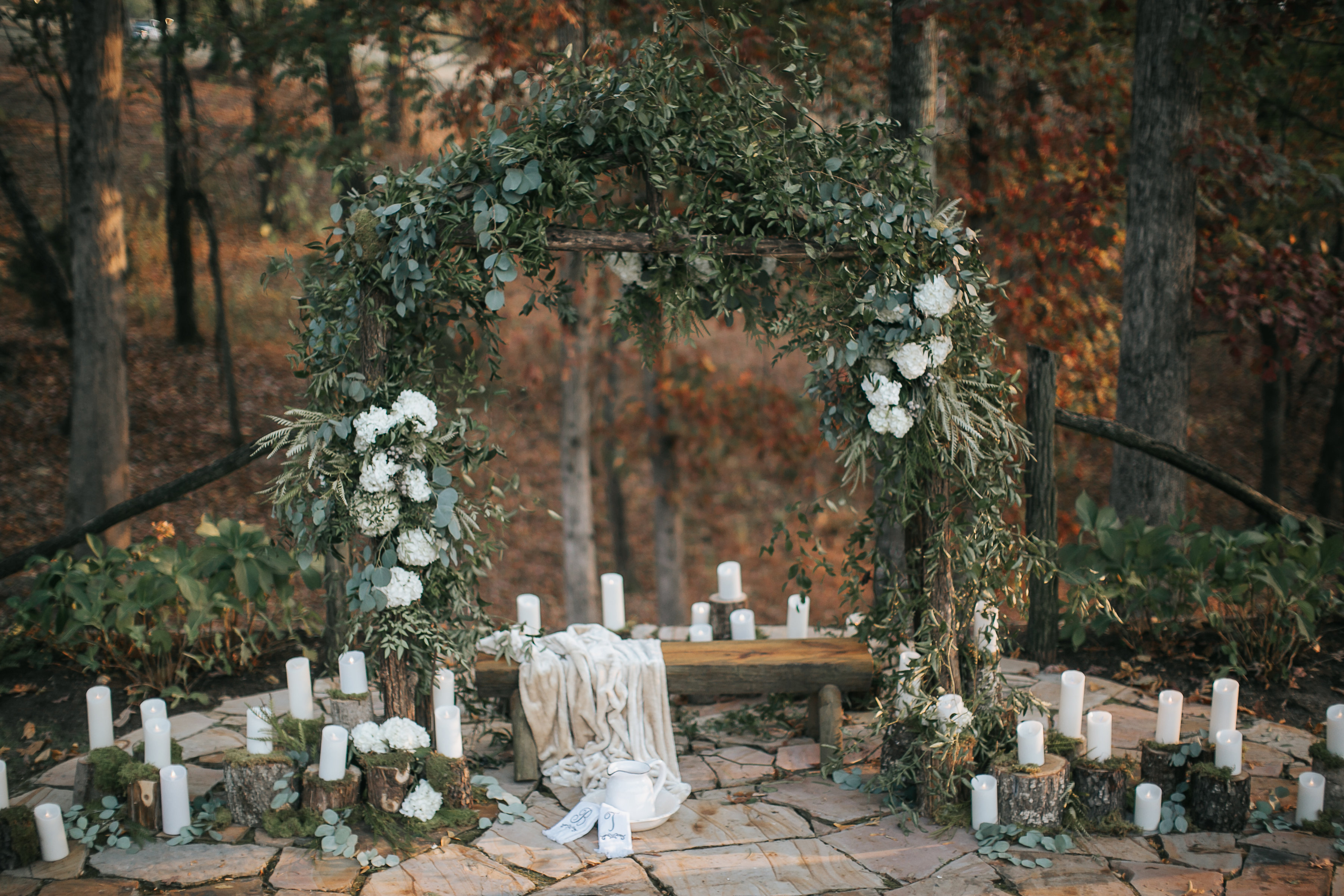
- Multi-Location Audio Rigging: If your ceremony is outdoors, your cocktail hour is on a patio, and your reception is inside a pavilion or tent, the DJ must deploy three separate audio setups. This means balancing independent soundboards, power runs, and wireless receivers.
- Acoustic Engineering: Every room behaves differently. Tile floors, glass walls, or vaulted ceilings bounce sound unpredictably, while open lawns absorb audio completely. The DJ tunes their equalizers to ensure sound is clear, warm, and audible without being painfully loud for guests seated near speakers.
- Power Routing and Cable Safety: Running clean power lines, managing trip hazards with heavy-duty gaffer tape, and ensuring circuits can support both audio amplification and dance floor lighting without tripping breakers.
Typical DJ Workload Timeline
To visualize the scope of their responsibility across the day, a DJ moves through several critical technical phases:
- Pre-Event Prep: Audio audits, file backups, cable checks, and gear testing.
- 3 Hours Prior to Event: Site load-in, multi-zone audio setup, and room sound calibration.
- Ceremony Phase: Microphone placement, wind noise control, and precise musical cues.
- Cocktail Hour: Background volume control and timeline check-ins with staff.
- Reception Phase: Grand introductions, MC spotlights, and vendor coordination.
- Dance Party: Live mixing, crowd reading, and energy pacing.
- Post-Event: Teardown, equipment inventory, and data backups.
The Ceremony: Sound Engineering Under Pressure
The ceremony is the most audio-critical portion of the entire day. There are no second takes, no do-overs, and no room for feedback squeals or dropped signals.
During the ceremony, your DJ acts as a live audio engineer:
- Microphoning the Officiant and Couple: Fitting tiny, discreet lavalier or lapel microphones on the officiant and groom or partner to catch vows clearly without cluttering photos with bulky microphone stands.
- Wind and Ambient Noise Suppression: Using specialized foam windscreens and live gain adjustments to eliminate outdoor wind rumble, passing traffic, or rustling leaves.
- Precise Musical Cueing: Fading processional songs at exact structural moments as the bridal party reaches the altar, and switching seamlessly to the bridal entrance song without abrupt cuts.
The Reception: Managing Flow, Timing, and Atmosphere
Once the ceremony concludes, the DJ shifts into their dual role as Director of Atmosphere and Master of Ceremonies.
A great DJ does not just play music; they control event momentum. They coordinate directly with your planner, photographer, videographer, and catering captain before making any public announcement. Before calling for speeches, they confirm the bride has her glass charged for toasts, the photographer is staged, and the catering staff has cleared the main plates. This hidden communication prevents awkward pauses and missed photo opportunities.
When it comes to the dance floor, a skilled DJ performs live crowd reading. Rather than running a static, pre-arranged playlist, they analyze guest reactions in real time. They track age demographics on the floor, watch who is dancing, measure energy shifts, and use live mixing, beatmatching, and harmonic transitions to keep the floor packed for hours.
Part 2: How To Brief Your DJ Before the Wedding
To get the absolute best performance out of your DJ, clear communication during the planning phase is essential. A thorough briefing eliminates guesswork and aligns your personal musical tastes with the DJ's professional expertise.
Here is how to structure your pre-wedding brief step by step.
Step 1: Define the Key Timeline and Micro-Cues
Your DJ needs an exact copy of your day-of timeline, complete with specific musical cues for key moments. Do not simply list "Processional Song." Provide specific start times, song titles, artist names, and exact timecode cues if you want a specific verse used.
Be sure to clarify:
- Processional: The exact song and timestamp where the wedding party walks versus when the bride makes her entrance.
- Recessional: The song that plays the moment you are pronounced married and walk back up the aisle.
- Grand Entrance: How you want your wedding party introduced (full names, nicknames, or couples) and the high-energy song that accompanies them.
- Formal Dances: Whether you want the full 4-minute track played or an edited version that fades out naturally around the 2-minute mark to keep the reception moving smoothly.
- Special Moments: Songs for cake cutting, bouquet or garter tosses, and your formal last dance or private last dance.
Step 2: Establish Your Musical Vision and "Must-Play" List
Your DJ needs to understand your overall taste, but they also need space to do their job effectively. The most successful approach is providing clear categories rather than a rigid 100-song checklist.
Organize your music preferences into three distinct lists:
- Must-Play Songs (5 to 10 Tracks): These are absolute non-negotiables that represent your relationship, inside jokes with friends, or family traditions. Keep this list concise so the DJ has room to read the room.
- Play If Possible / Vibe References (15 to 20 Tracks): Songs or artists that illustrate the overall energy you want for different phases of the night, such as Motown and 70s Soul for Cocktail Hour, or 90s and 2000s Pop and Hip-Hop for the late-night dance floor.
- Do-Not-Play List: This list is just as important as your favorites. Clearly identify songs, genres, or specific line dances you absolutely do not want to hear under any circumstances. A professional DJ will treat this list as sacred, politely declining guest requests that violate your instructions.
Step 3: Clarify the MC Style and Microphonic Presence
DJs approach the microphone with wildly different styles. Some are energetic hype-men who like to interact with the crowd on the floor, while others take a reserved, corporate approach, making clear announcements only when necessary.
During your briefing, state your preferred MC style clearly:
- Low-Profile / Classic: Clean, articulate announcements for major transitions only. No extra commentary, jokes, or attempts to rally the crowd over the microphone.
- Moderate / Engaging: Warm, polished introductions that welcome guests, guide them through transitions naturally, and build enthusiasm without overbearing hype.
- High-Energy / Interactive: A lively host who actively engages the crowd, uses the microphone to boost dance floor energy, and leads formal games or dances.
If you are hosting a multi-day celebration or bringing in loved ones from across the country, clear announcements help keep everyone oriented. You can also share details about guest logistics, especially if you are coordinating thoughtful ways to make out of town wedding guests feel truly taken care of, such as announcing shuttle departures, late-night snacks, or morning brunch details.
Step 4: Share Logistics, Venue Constraints, and Site Layouts
Technical details matter just as much as music choices. Provide your DJ with the physical layout of the venue well in advance so they can prepare the correct cabling, speaker configurations, and wireless gear.
Key venue details to share include:
- Power Supply Locations: Where outlets are situated relative to the ceremony site, head table, and main dance floor.
- Volume Restrictions or Decibel Limits: Some venues or municipal noise ordinances require sound levels to stay below a specific decibel threshold, particularly after 10:00 PM outdoors.
- Load-in Access and Parking: Where the DJ can park their vehicle to unload heavy equipment cases without blocking guest walkways or catering operations.
- Vendor Coordination: Share contact info for your planner and photographer so the DJ can sync timeline adjustments directly with them on the day of the event.
For couples planning a multi-day getaway, detailed advance planning ensures smooth transitions across every event. Whether you are hosting a rehearsal gathering or looking at how a bed and breakfast stay complements a destination wedding, giving your entertainment team complete venue context keeps everything running on schedule.
What to Include in Your Final DJ Brief
Use this quick checklist when putting together your final document for your DJ two to three weeks before the wedding day:
Contact Details
- Couple Names and Phonetic Pronunciations
- Wedding Planner or On-Site Coordinator Phone Number
- Photographer and Videographer Contact Info
Ceremony Details
- Prelude Music Style and Start Time
- Officiant Mic Preference (Lavalier or Handheld)
- Family Processional Song
- Bridal Party Processional Song
- Bridal Entrance Song
- Recessional Song
Reception Timeline and Cues
- Cocktail Hour Music Style
- Grand Entrance Songs
- Correct Phonetic Pronunciations for the Entire Wedding Party
- First Dance Song Title (Note if you want full track or faded edit)
- Parent Dance Songs
- Toast and Speech Order with Speaker Names
- Cake Cutting Song
- Last Dance Song (Open floor versus private send-off)
Music Lists
- Must-Play List (5 to 10 songs)
- Do-Not-Play List (Strict boundaries)
- Guest Request Policy (Allow, Filter, or Strictly Deny)
Technical and MC Preferences
- Preferred MC Style (Low-Profile, Moderate, or High-Energy)
- Venue Sound, Power, and Ordinance Restrictions
- Special Announcements (Shuttles, After-Party, or Sparkler Exit)
The Value of a Professional Partner
A wedding DJ is far more than a curator of songs. They are audio engineers, timeline managers, masters of ceremonies, and atmosphere architects who carry the energy of your wedding on their shoulders from the first pre-ceremony note to the final exit track.
By taking the time to understand their full scope of work and providing a clear, structured brief before the big day, you empower your DJ to execute your vision flawlessly. The result is a stress-free event where you, your family, and your guests can relax, stay present, and spend the night celebrating on a packed dance floor.
If you are currently mapping out your celebration schedule, you can explore options for hosting a smooth, beautifully paced event by reading about our micro weddings or exploring our full range of venue offerings on our pricing page.